Modi Pushes 'Historic' Australia Cooperation on Nuclear, Critical — SkimNews
Get the Energy newsletter
Daily energy & climate — solar, EVs, oil, the policy fights and tech bets shaping the transition. Free.
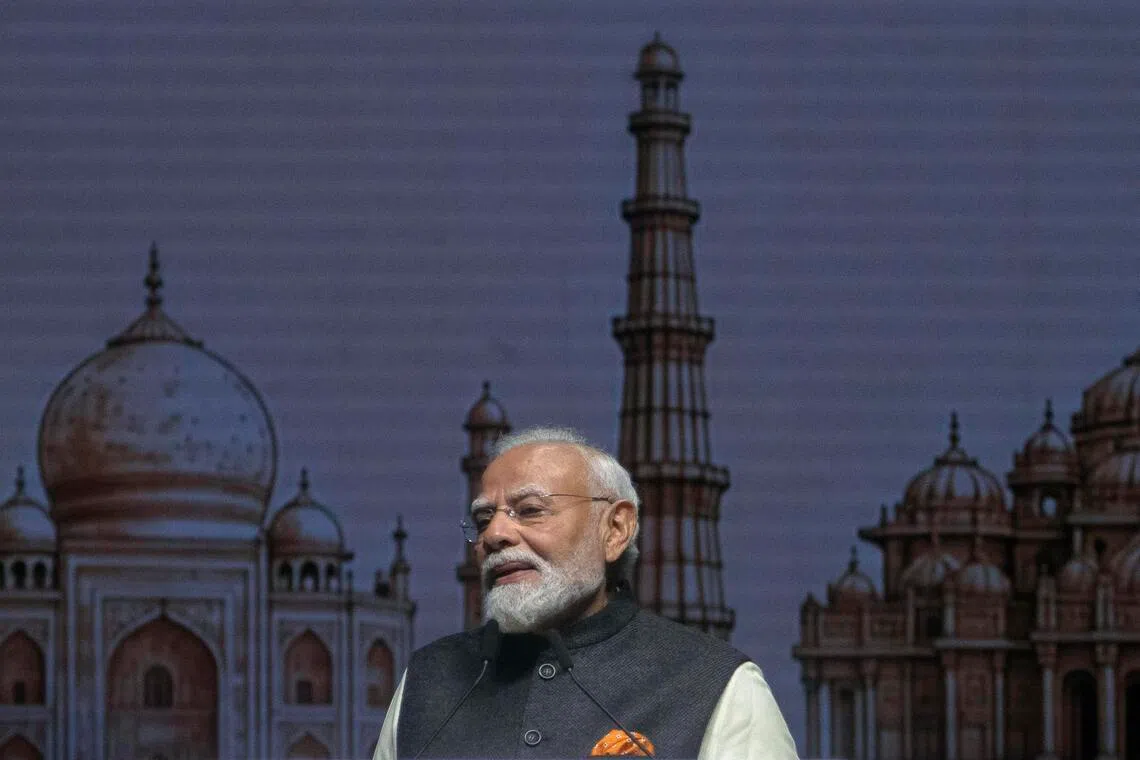
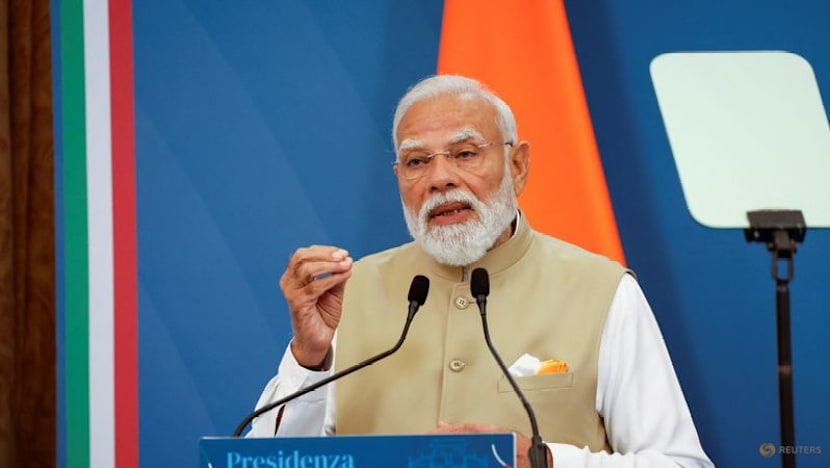
- Narendra Modi told an Australia-India business forum in Melbourne on Thursday the two countries have "historic opportunities" to cooperate in nuclear and renewable energy, critical minerals, green hydrogen and low-carbon aluminium, pitching India's infrastructure to Australian investors as a "safe, stable and sustainable growth option" for capital.
- India is targeting 100 gigawatts of nuclear energy capacity by 2047 and is eyeing Australia's uranium reserves; the Australian Financial Review reported Wednesday an agreement on uranium exports could be finalised, though a 2014 nuclear cooperation pact has yielded limited shipments over safeguards concerns.
- AustralianSuper announced Thursday it will invest a further A$500 million ($347 million) in India's National Investment and Infrastructure Fund, as Australia seeks to diversify trade beyond its reliance on top partner China.
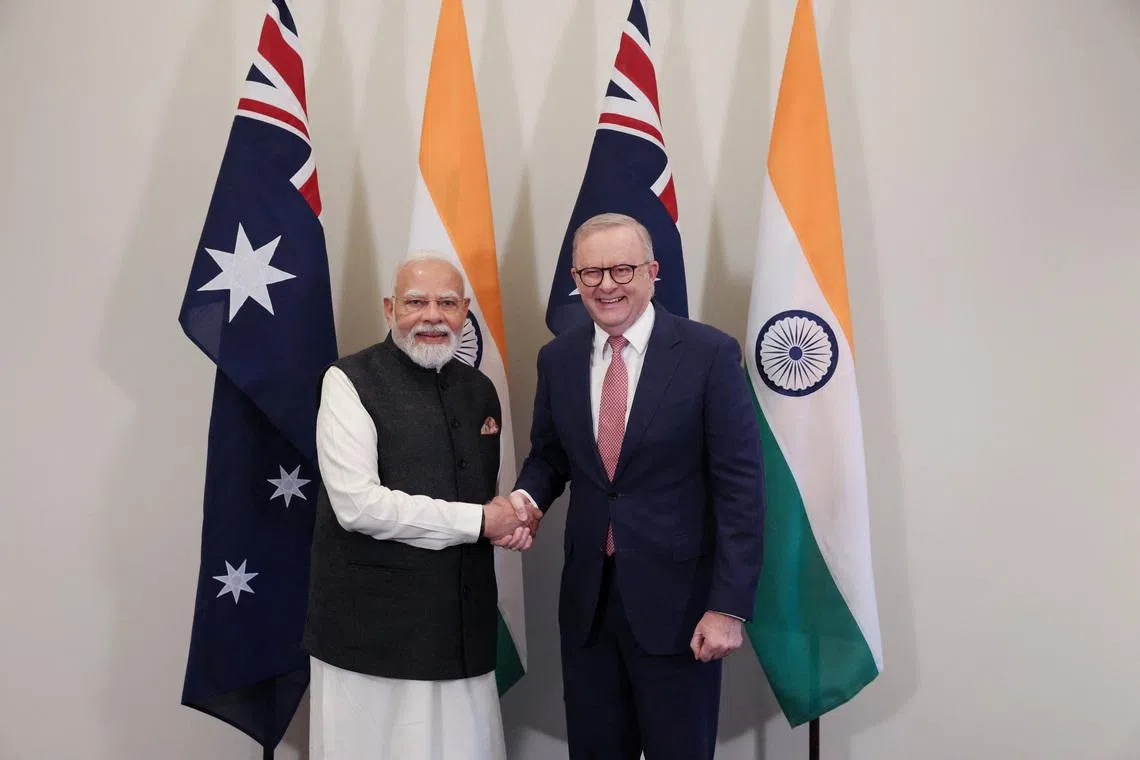
- Anthony Albanese called Modi a "living bridge" between the two countries after meeting him at the business event, with formal talks expected later Thursday.
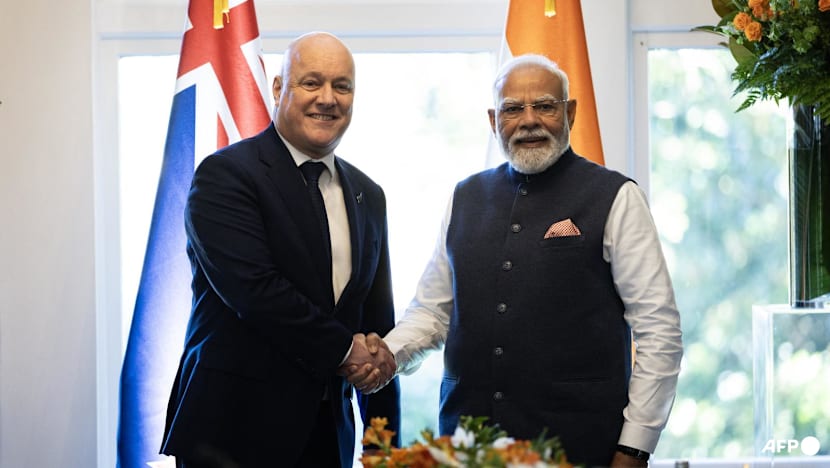
- Modi arrived in Melbourne Wednesday night after visiting Indonesia, where he signed deals including for the BrahMos cruise missile system; he is scheduled to leave for New Zealand on Friday afternoon.
- India is Australia's fifth-largest trading partner — behind China, Japan, the U.S. and South Korea — and around 1 million people in Australia claim Indian ancestry, with security tightened near a Melbourne stadium for Modi's expatriate event amid reports of protests.
Why it matters: A finalized uranium deal would mark a concrete step beyond the 2014 nuclear cooperation pact, which has been throttled by safeguards disputes, and directly feeds India's 100 GW nuclear capacity target for 2047. For Australia, deepening ties with its fifth-largest trading partner and attracting pension-fund capital like AustralianSuper's A$500 million signals deliberate diversification away from China dependency.
Ask SkimNews