Guatemala's Maya Biosphere 'Green Islands' Beat Deforestation — SkimNews

Get the Energy newsletter
Daily energy & climate — solar, EVs, oil, the policy fights and tech bets shaping the transition. Free.
- Guatemala's Maya Biosphere Reserve — a 2.1m-hectare area established 1990 and split into buffer, core, and multiple-use zones — has lost nearly 13% of its natural cover in 24 years, but the 12 community forestry concessions covering 400,000 hectares in the multiple-use zone have held deforestation to near zero, according to the National Council of Protected Areas (Conap).
- Carmelita cooperative runs a 43,000-hectare concession where harvesters take just two trees from each of 1,000 hectares on a 25-year rotational cycle under Forestry Stewardship Council rules; chainsaws won't return to a given patch for at least four years, and the cooperative is projected to make around $3 million this year from sustainable timber.
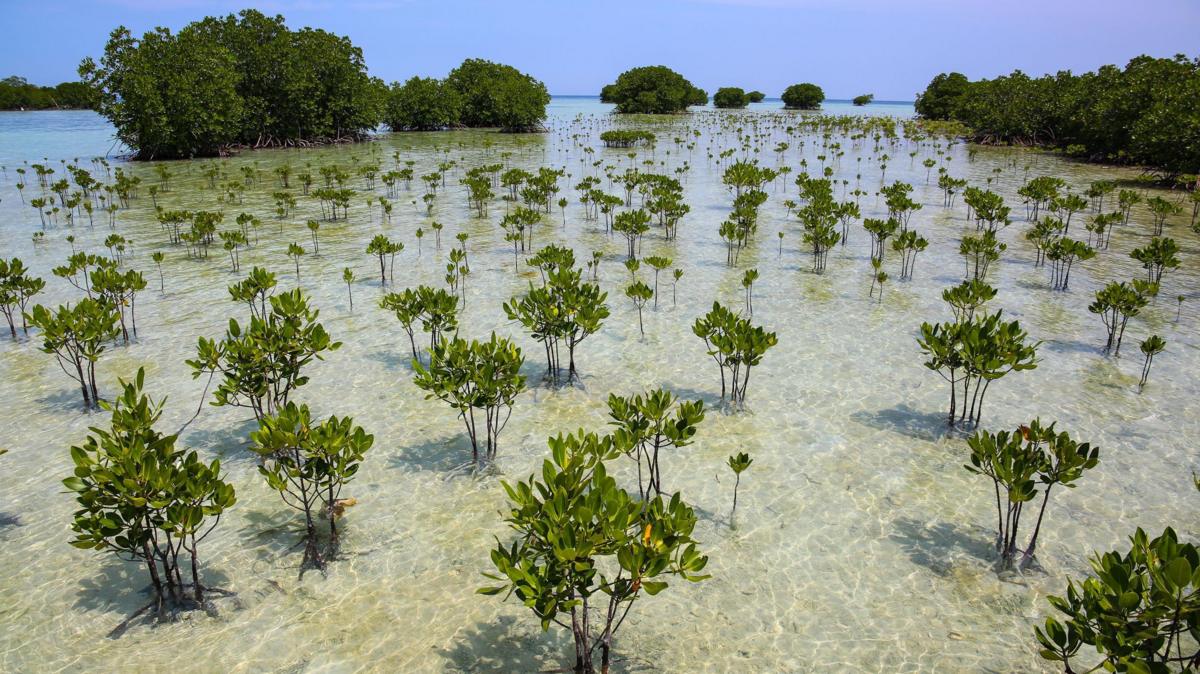
- La Pasadita's concession was suspended by Conap in 2009 after illegal logging was discovered, but a partnership with the Rainforest Alliance has built a 120,000-seedling nursery of 23 species; Conap data shows the community has logged a net gain of 105 hectares of forest cover.
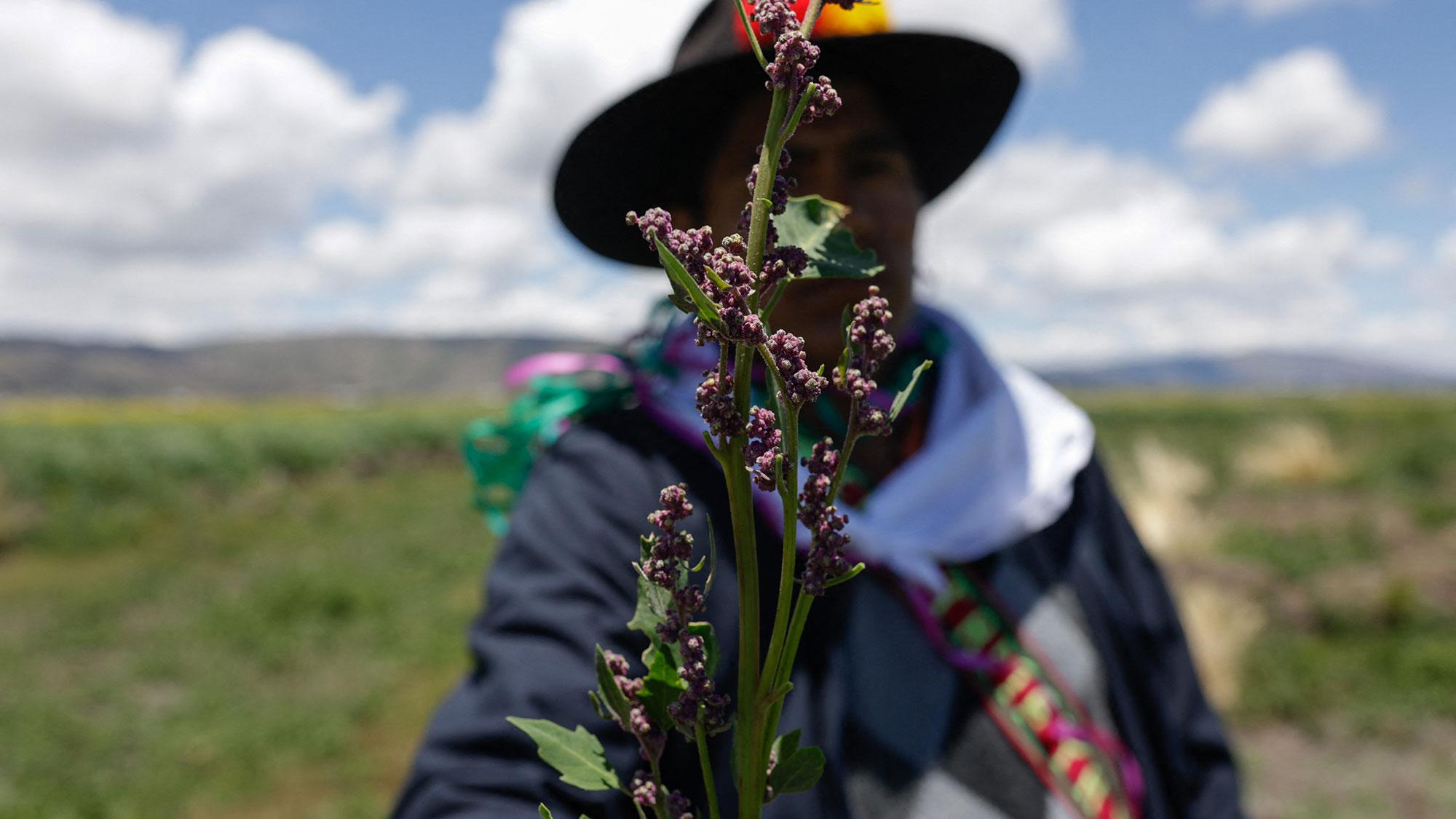
- Uaxactún — an 83,000-hectare concession — has grown forest cover by 113 hectares, per Conap, and supplements timber income with xate palm fronds exported mainly to the US for religious ceremonies ($60,000 a year) plus a tourism push built around nearby Maya ruins.
- Concessions have shifted from 80% conservation/20% production to roughly the reverse, yet forest continues to grow, with household incomes inside the concessions running up to three times the national poverty level — a reversal forestry director José Román Carrera credits to communities whose livelihoods depend on the standing forest.
- Work at Carmelita has moved up the value chain from rough lumber to furniture, guitar necks, and wooden-house kits; 95% of workers are now local, funded in part by training scholarships paid for by sustainable-timber revenue.
- La Pasadita's restoration has planted species favoured by scarlet macaws, including cantemo acacia, in an attempt to lure the rare birds back to a habitat that drought and pasture fires had degraded.
Why it matters: Concession data shows community-run forestry plus FSC certification plus government enforcement can produce $60,000–$3 million per concession annually while preventing forest loss — concrete revenue that has pushed household incomes to three times the national poverty rate. Guatemala is now weighing whether to turn La Pasadita's restoration playbook into national policy, an inflection point that would test whether a workable tropical-forest model is portable beyond a single biosphere reserve.
Ask SkimNews