UK's Operation Blue Skies tests AI contrail avoidance — SkimNews
Get the Energy newsletter
Daily energy & climate — solar, EVs, oil, the policy fights and tech bets shaping the transition. Free.
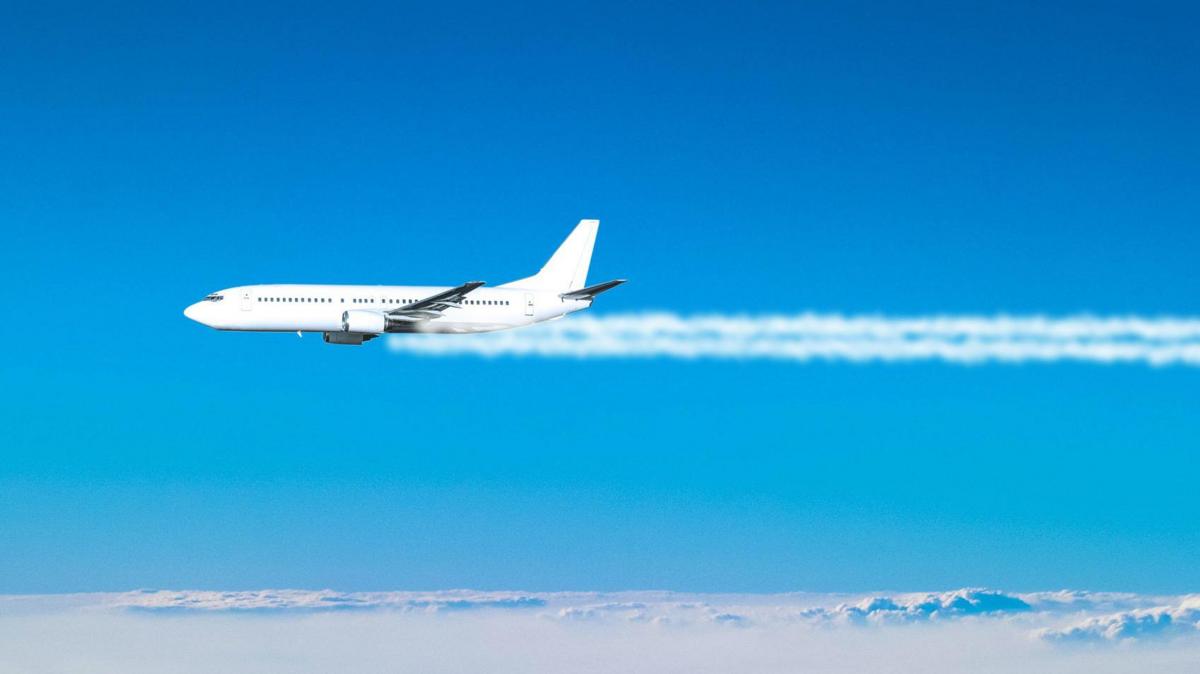
- Operation Blue Skies is a £5m, 30-month UK trial using AI to predict where warming contrails will form and guide aircraft to avoid those areas of the atmosphere.
- Google, the UK government, the Met Office, air traffic control provider NATS, and academic researchers are partnering, with operations focused on the Shanwick Oceanic airspace — roughly 5% of global contrail warming.
- The system will combine satellite images, flight data, and weather patterns to forecast contrail conditions, with NATS directing pilots to alter altitude by around 2,000ft rather than rerouting.
- Testing will run during selected winter evenings and nights in 2026-27 and 2027-28, with approximately 10,000 flights expected through the airspace during trial periods.
- The Department for Transport is providing £2.65m while Google contributes £1.4m in AI research, engineering, and computing infrastructure.
- Prior airline trials achieved 60-70% reductions in contrail formation or warming, with the fuel penalty estimated at under 1% additional CO2 — about 100kg of extra fuel per affected aircraft.
- The project lands as the UK government backs airport expansion and Google pours billions into power-hungry data centers to fuel AI, raising questions about whether tech offsets can keep pace with aviation's growth.
Why it matters: Prior airline trials already cut contrail formation or warming by 60-70% with under 1% extra fuel — now the UK is testing whether that approach scales across roughly 10,000 North Atlantic flights, while the government simultaneously signs off on airport expansion that would grow the exact emissions the trial tries to offset.
Ask SkimNews