Experts Doubt Pakistan Can Defeat Houthis in Yemen — SkimNews
Get the Geopolitics newsletter
Daily geopolitics — wars, elections, sanctions, the diplomatic moves that move markets. Free.
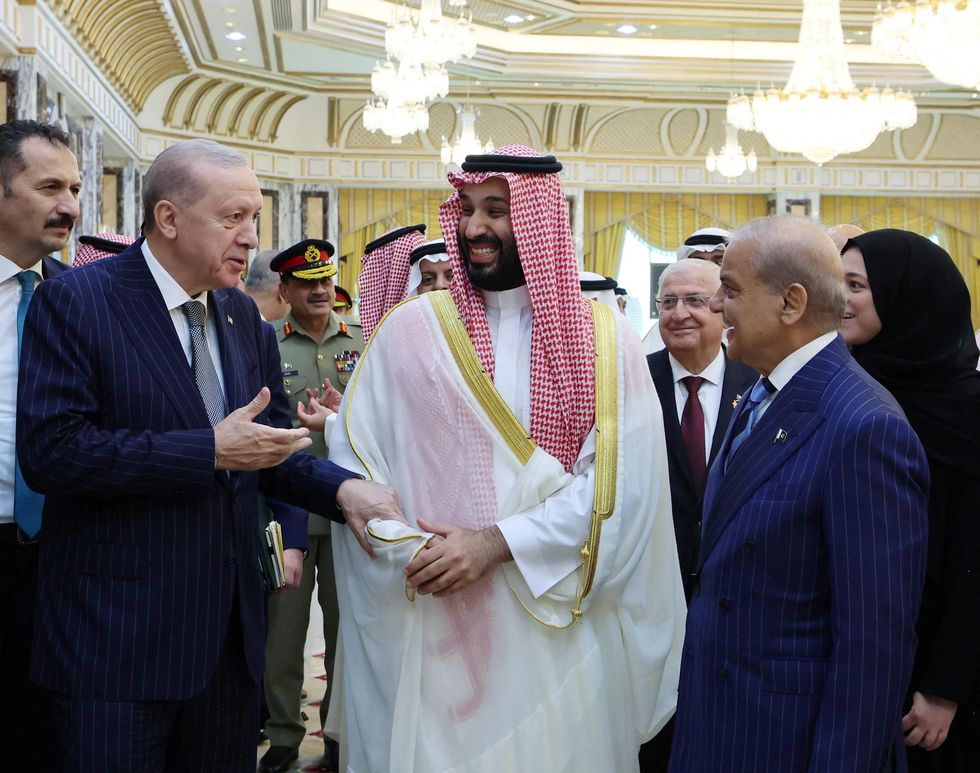
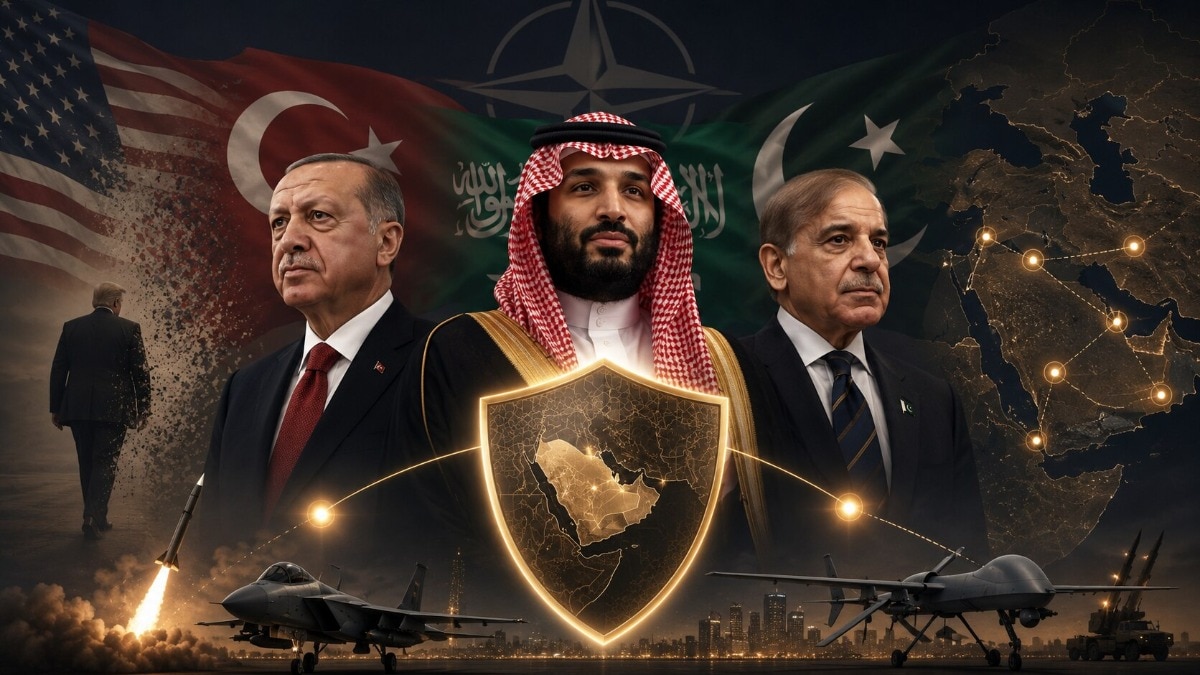
- The Mecca Joint Defence Agreement was activated on Monday after Houthi drones and missiles struck Makkah, Madinah, the capital Riyadh, King Khalid International Airport, an Aramco refinery, and Saudi military sites, triggering collective-defense obligations on Pakistan and Turkey.
- Pakistan's Parliament rejected neutrality's opposite in 2015, unanimously refusing to send warplanes, naval ships, and ground troops to Saudi Arabia's Yemen war — though it pledged to stand with Riyadh if Saudi territory or the holy cities were attacked.
- Pakistani security analyst Ejaz Haider examined four military options — ground offensive, stand-off strikes, air defense combined with long-range attacks, and naval blockade — and concluded in The Friday Times that none offer a clear route to defeating the Houthis, urging diplomacy with Ansar Allah instead.
- The Houthis control Sanaa and northern/western Yemen where an estimated 60–65% of Yemenis live; a UN panel put fighting strength at 350,000, with years of Iranian and Hezbollah assistance turning them into an entrenched political-military force.
- Saudi Arabia spent approximately $80 billion on its military in 2025, joined by Pakistan's experienced land and air forces and Turkey's NATO-grade military — yet strategist Abdul Munim explicitly warned against advancing into Sanaa, Saada, or Yemen's northern highlands.
- Farhan Jaffrey and Danny Citrinowicz both invoked history: Pakistan has fought the TTP on home turf for two decades without defeating it, while Saudi-led air campaigns and US-British strikes since 2015 failed to eliminate the Houthis' missile and drone capabilities.
Why it matters: Eleven years of Saudi-led air warfare, followed by US and British strikes, failed to dislodge a group now estimated at 350,000 fighters controlling the territory where 60–65% of Yemenis live. Adding Pakistan's battle-hardened but TTP-stymied army and Turkey's NATO-grade arsenal may harden Saudi air defenses and punish the group, but the experts cited — Haider, Jaffrey, Citrinowicz, Munim — all converge on the same conclusion: the Houthis' mountain terrain, decentralized command, and local roots mean diplomatic engagement, not the activation of the pact, offers the only real route out.
Ask SkimNews