Noise-cancelling headphones prevent vomiting after surgery — SkimNews

Get the Health newsletter
Daily health & science — research, biotech, public health, the studies worth knowing. Free.
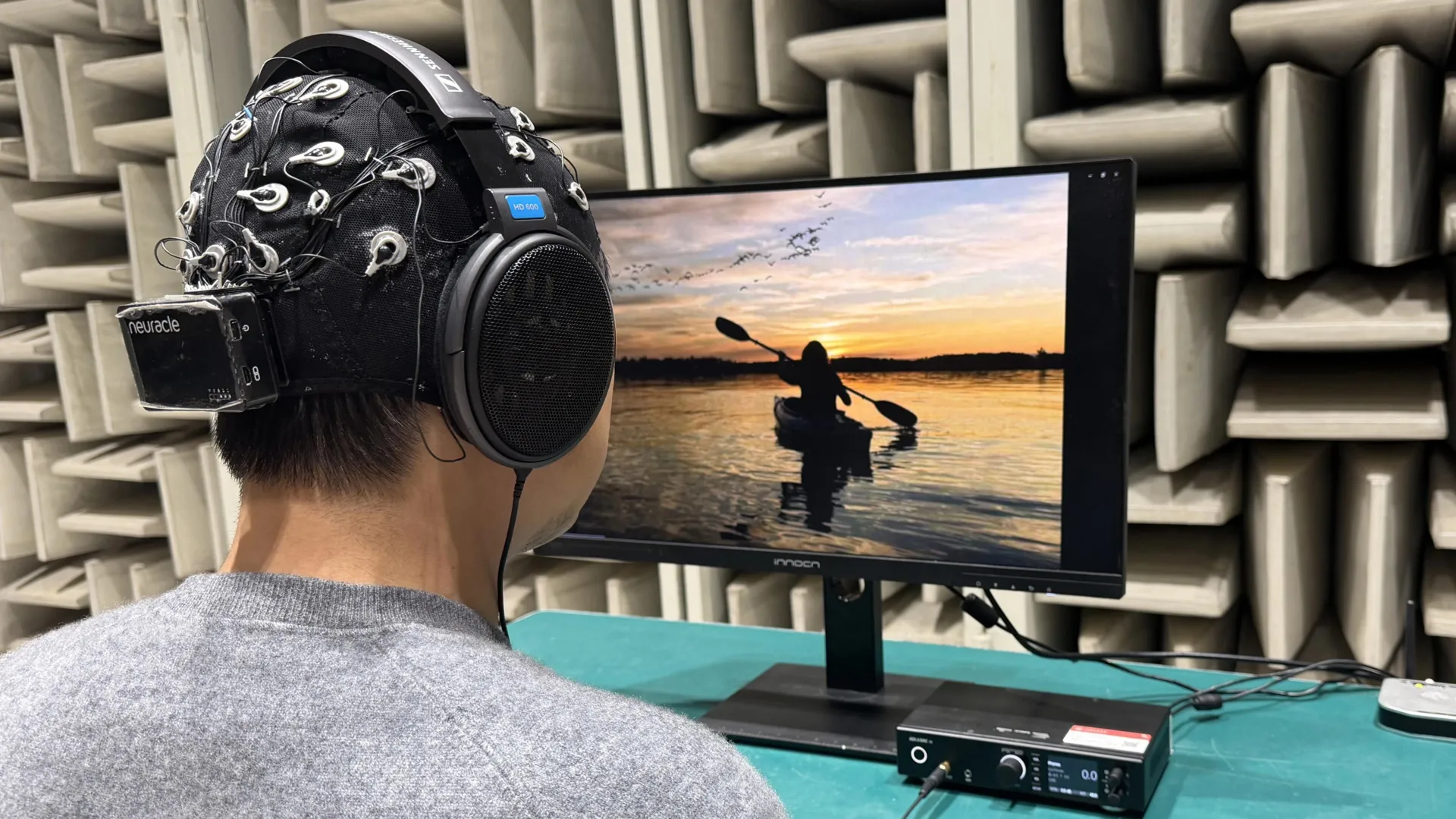
- Huayue Liu of the First Affiliated Hospital of Soochow University presented results from a randomized trial of 192 patients undergoing keyhole gynaecological surgery under general anaesthetic, finding that 35% of those wearing ear defenders experienced nausea or vomiting within 48 hours versus 52% in the control group.
- Symptoms were less severe among patients whose hearing had been protected — they vomited less and reported less day-to-day impact from post-surgical sickness.
- Operating theatres averaged 66 decibels during procedures, roughly the volume of a normal conversation, underscoring that unconscious patients are still exposed to sustained noise.
- Vigi Katlowitz of Baylor College of Medicine called the data 'really encouraging' and consistent with decades of research showing anaesthesia is 'not simply an off switch,' suggesting the brain processes sound while unconscious.
- The mechanism remains unproven; Liu hypothesizes noise may trigger a stress response activating the autonomic nervous system, which interfaces with brainstem pathways that drive nausea and vomiting.
- Liu stressed his team did not test the mechanism and called the stress-response theory 'a hypothesis,' adding he hopes to run a larger multi-site trial measuring noise exposure against nervous system activity in patients under general anaesthetic.
Why it matters: The trial delivers a 17-percentage-point absolute drop in post-op nausea/vomiting (35% vs 52%) and milder symptoms, using a cheap, non-pharmacological intervention that could complement standard anti-nausea drugs — but Liu himself flags the mechanism as unproven and wants larger multi-location trials before clinical adoption, since results come from a single 192-patient gynaecological cohort at one Chinese hospital.
Ask SkimNews