How a humble alga helped win the Nobel Prize — SkimNews
Get the Health newsletter
Daily health & science — research, biotech, public health, the studies worth knowing. Free.
- Chlamydomonas, a one-celled alga, swims toward light using a light-sensing protein called channelrhodopsin, which triggers an electrical signal when electrically charged ions rush into the cell
- Channelrhodopsin is remarkably similar to the rhodopsin found in human eyes, making the alga an unexpected bridge between plant-like and human biology
- Three scientists were awarded the Nobel Prize for physiology or medicine this month for research that used this alga's protein as a tool to map brain circuits
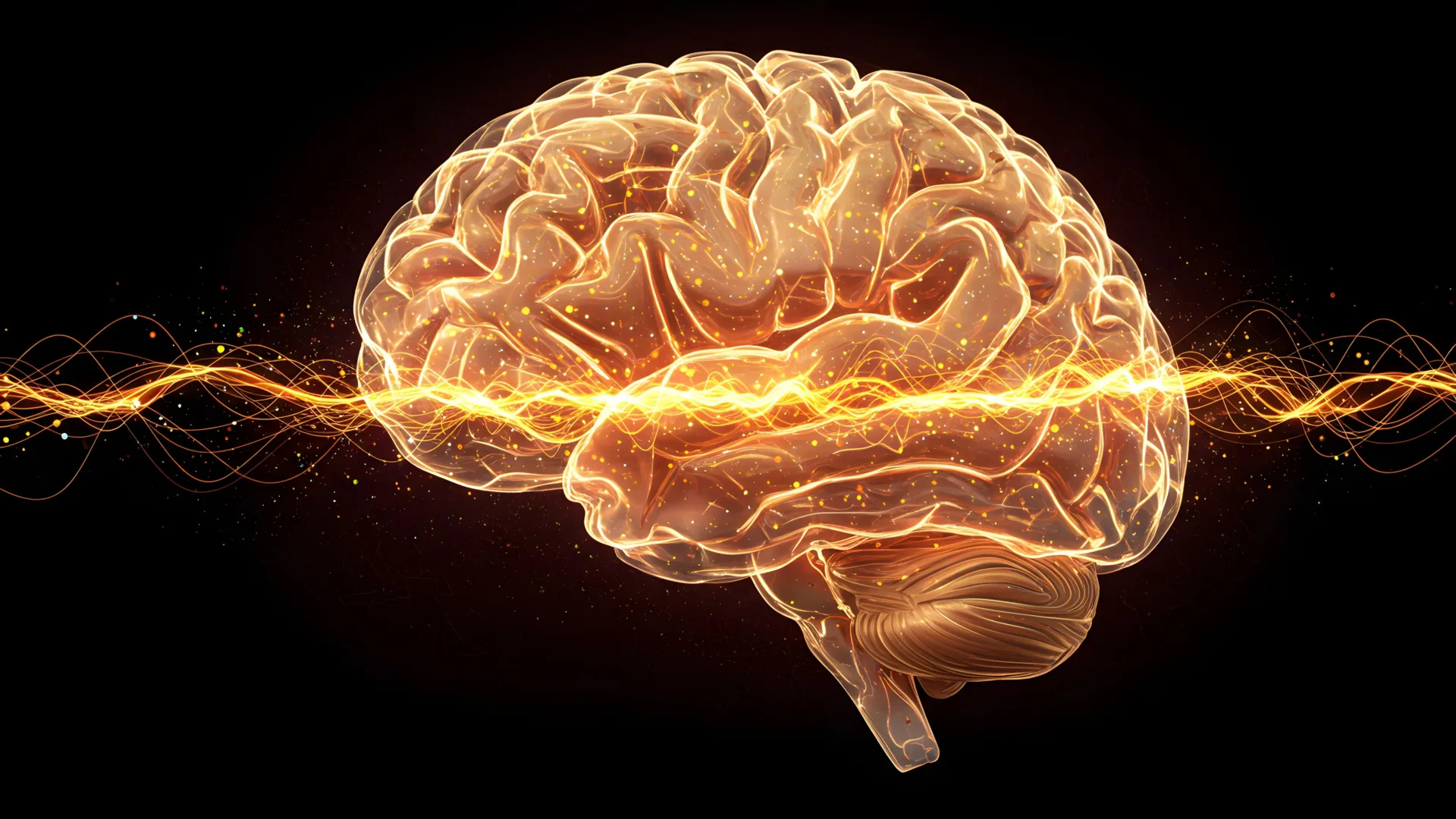
- Researchers transferred the channelrhodopsin gene into living animal brain cells, using flashes of light to switch individual neurons on or off and pinpoint circuits controlling behavior, feelings, memories, movements, waking, and sleeping
- The technique revealed specific behaviors in mice, including how mothers gather their young in a nest and groom them
- Optogenetics is now being used to investigate depression, anxiety, and Parkinson's disease, and is being tested to partially restore vision in people with retinal diseases
Why it matters: A basic-science study of how a single-celled alga detects light produced optogenetics, a tool that lets researchers switch individual neurons on and off to map circuits for memory, behavior, and sleep. The technique is now in clinical testing for vision restoration and active research use for depression, anxiety, and Parkinson's disease.
Ask SkimNews