STAT+: Nobel-winning optogenetics research has led to experimental treatments for blindness and Alzheimer’s — SkimNews

Get the Health newsletter
Daily health & science — research, biotech, public health, the studies worth knowing. Free.
- Karl Deisseroth of Stanford University and Howard Hughes Medical Institute shared the 2026 Nobel Prize for Medicine on Monday with German colleagues Peter Hegemann and Georg Nagel for developing optogenetics.
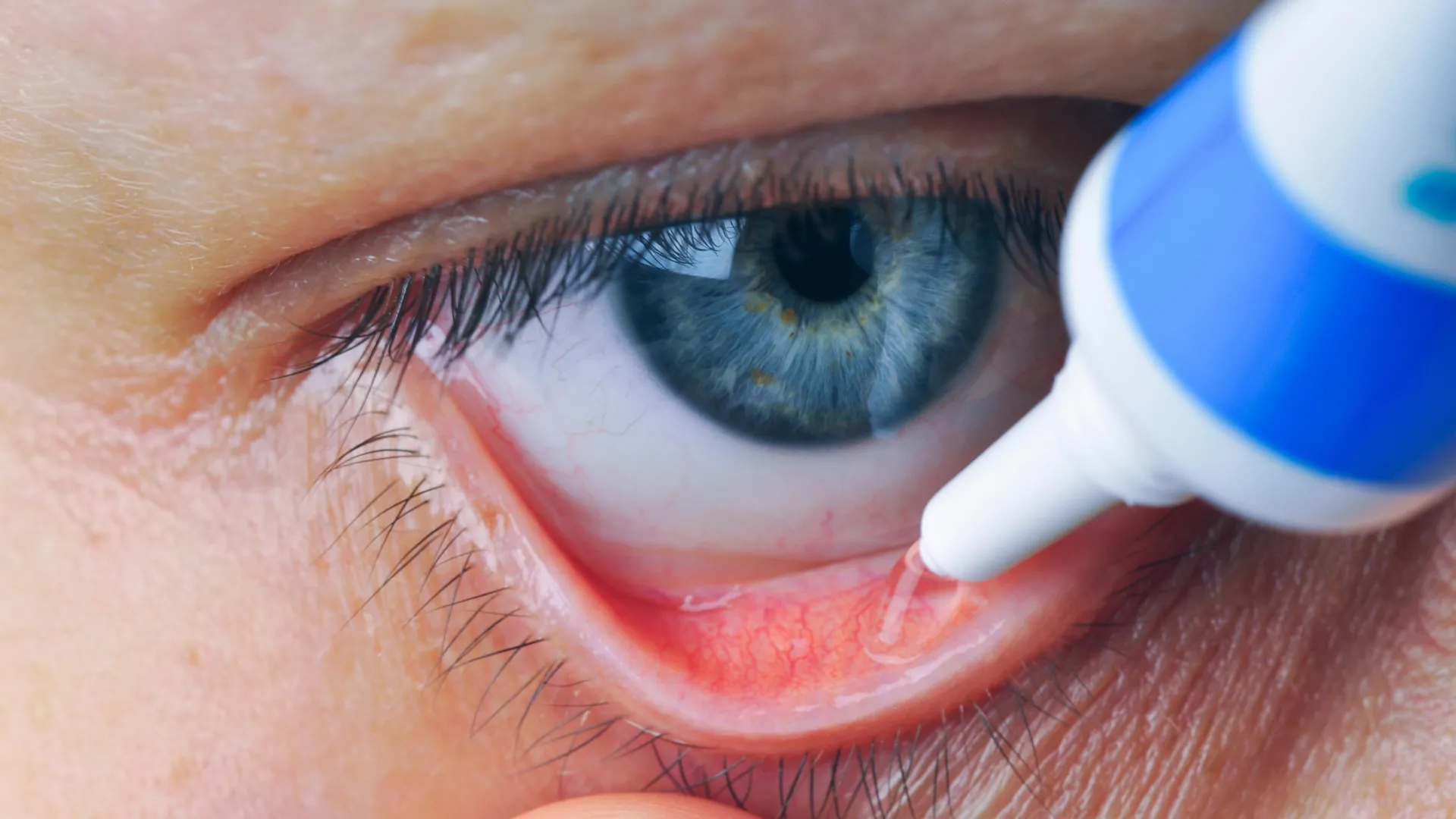
- The Nobel-winning optogenetics research has already led to experimental treatments for blindness and Alzheimer's, per the article's framing.
- In a post-announcement interview, Deisseroth told STAT that the brain — billions of neurons operating on the millisecond scale — demands tools "fast and could be targeted to individual cells or individual types of cells."
- Deisseroth framed the prize as recognizing tools that finally match the central challenge of neuroscience and brain-disorder treatment: matching the brain's own complexity and precision.
Why it matters: Three optogenetics pioneers — Karl Deisseroth, Peter Hegemann, and Georg Nagel — now hold the 2026 Nobel for Medicine for a tool the article says is already producing experimental treatments across two named disease areas: blindness and Alzheimer's. The prize puts formal scientific imprimatur on a lab-to-clinic pipeline that had been treated as basic research until now.
Ask SkimNews