Oil Prices Dip After U.S.-Iran Ceasefire — SkimNews

Get the Finance newsletter
Daily finance — markets, central banks, M&A, the prints that move money. Free.
- Oil prices fell sharply after President Trump announced a cease‑fire with Iran on Tuesday evening.
- Iran kept attacking targets across the Arabian Peninsula on Wednesday while Israel struck Lebanon, casting doubt on the two‑week truce.
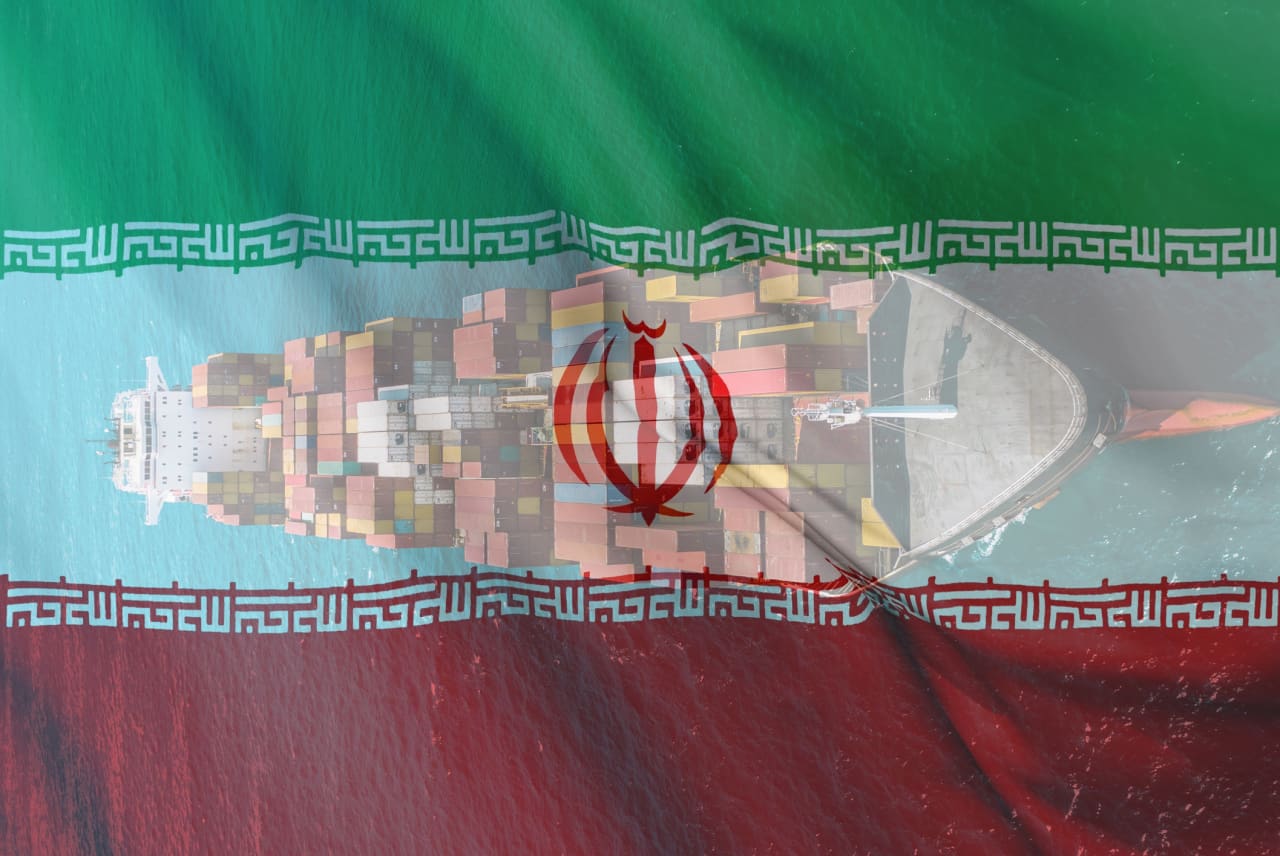
- Strait of Hormuz remains a deterrent as mariners stay reluctant to navigate it, leaving full tankers stuck in the Persian Gulf and blocking oil flow.
- Helima Croft of RBC Capital Markets warned that moving ships is “messy” while drones and missiles continue to be fired in the region.
- Jason Bordoff of Columbia University’s Center on Global Energy Policy said regular tanker traffic through the strait is needed to rebuild confidence for others.
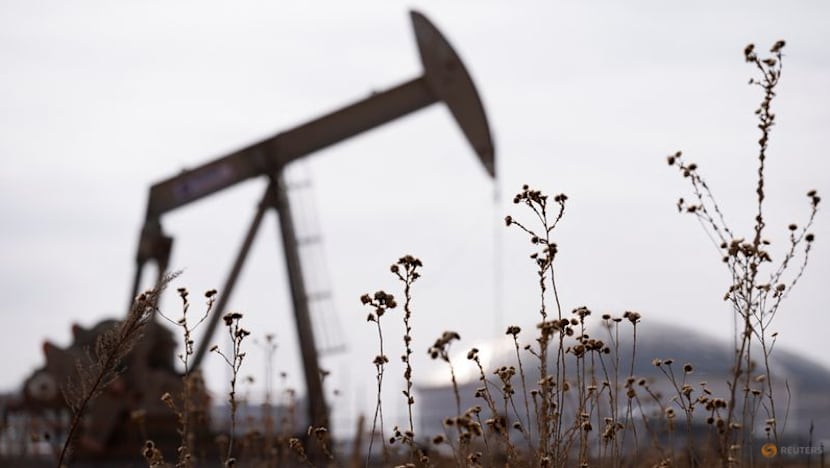
- Persian Gulf storage tanks filled since the Feb. 28 attacks will be drained once empty vessels re‑enter, freeing capacity to restart wells.
- Janus Henderson Investors estimate at least 10 % of global oil supply has been shut down since the war began, and restoring normal production will take months of reservoir pressure stabilization and site repairs.
Why it matters: Energy firms in the Gulf lose immediate revenue as tankers stay anchored and wells stay shut, while downstream buyers—especially in Asia—remain dependent on scarce supply. The stalled restart means the cease‑fire’s promised price relief is delayed, keeping markets on edge.
Ask SkimNews