Oil prices are now back to prewar levels, but the market is not. Here’s what could happen next. — SkimNews
Get the Finance newsletter
Daily finance — markets, central banks, M&A, the prints that move money. Free.
- Oil prices have fallen back to pre-Iran-war levels, declining roughly 10% since mid-June when the U.S. and Iran announced plans to extend their cease-fire by 60 days
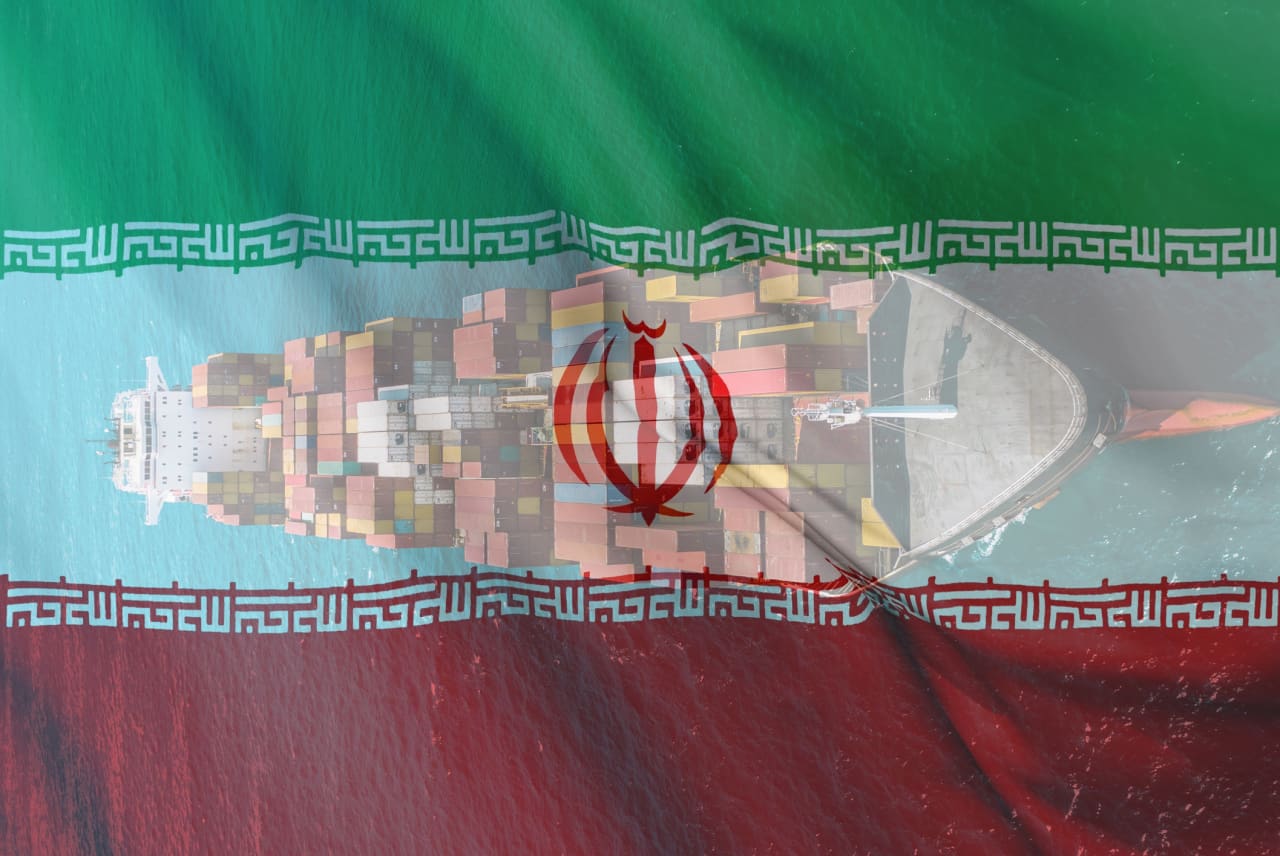
- The U.S. and Iran agreed to extend their cease-fire by 60 days and reopen the Strait of Hormuz, a faster-than-expected development that helped drive the price drop
- Maritime transit through the Strait of Hormuz has improved since the start of the Iran war but remains far from normal, according to the source
- The crude market has not seen a normalization of shipping, oil supplies, and demand that the size of the price retreat would normally imply
- The Strait of Hormuz reopening has progressed faster than expected, yet commodity analysts warn the broader oil logistics chain is still constrained
Why it matters: A 10% oil price decline suggests traders have priced in the 60-day cease-fire extension and Hormuz reopening, yet shipping through the waterway remains abnormal and supply/demand hasn't normalized — meaning the price retreat may outrun the underlying market reality and set up a reversal if transit disruptions persist.
Ask SkimNews