Vagus Stimulation Boosts Skill Retention in Mice — SkimNews
Get the Health newsletter
Daily health & science — research, biotech, public health, the studies worth knowing. Free.
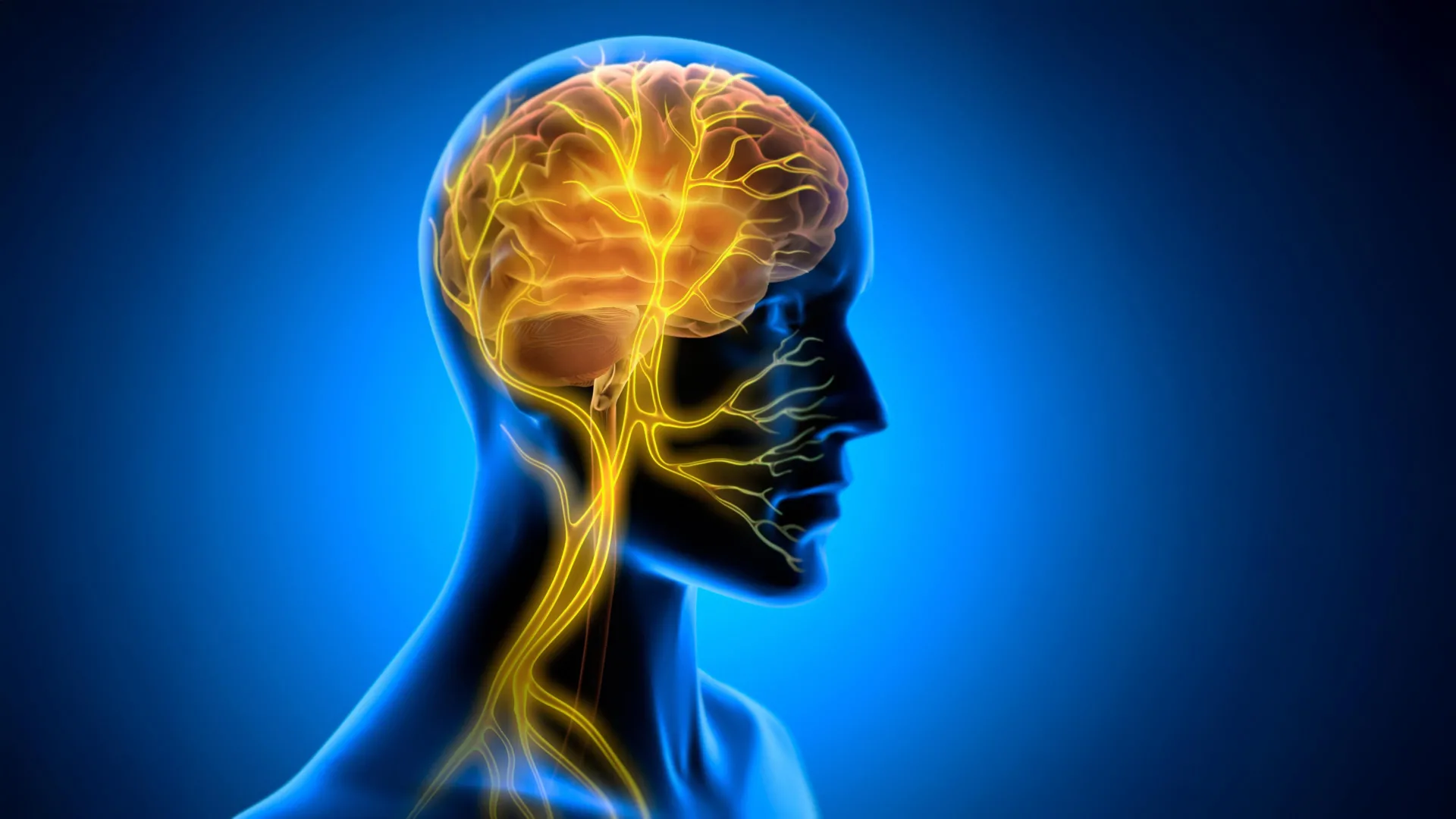
- Vagus nerve stimulation applied after motor training enhanced long-term skill retention in mice, indicating a critical post-practice window for memory consolidation
- Mice showed stronger motor learning when vagus nerve stimulation followed practice, compared to controls without stimulation
- Brain blood vessels exhibited rhythmic changes linked to the timing of vagus nerve stimulation, suggesting a physiological mechanism for how peripheral signals influence learning
- Body-to-brain signals may play a role in locking in new motor skills, as the study connects vascular rhythms to neural consolidation processes
Why it matters: This finding shifts focus to post-practice biological windows when skills can still be reinforced—potentially making training protocols more effective. If translatable to humans, timed stimulation could enhance rehabilitation or skill acquisition with measurable physiological markers in blood flow patterns.
Ask SkimNews