What does an air purifier do and can it help with wildfire smoke? — SkimNews

Get the Energy newsletter
Daily energy & climate — solar, EVs, oil, the policy fights and tech bets shaping the transition. Free.
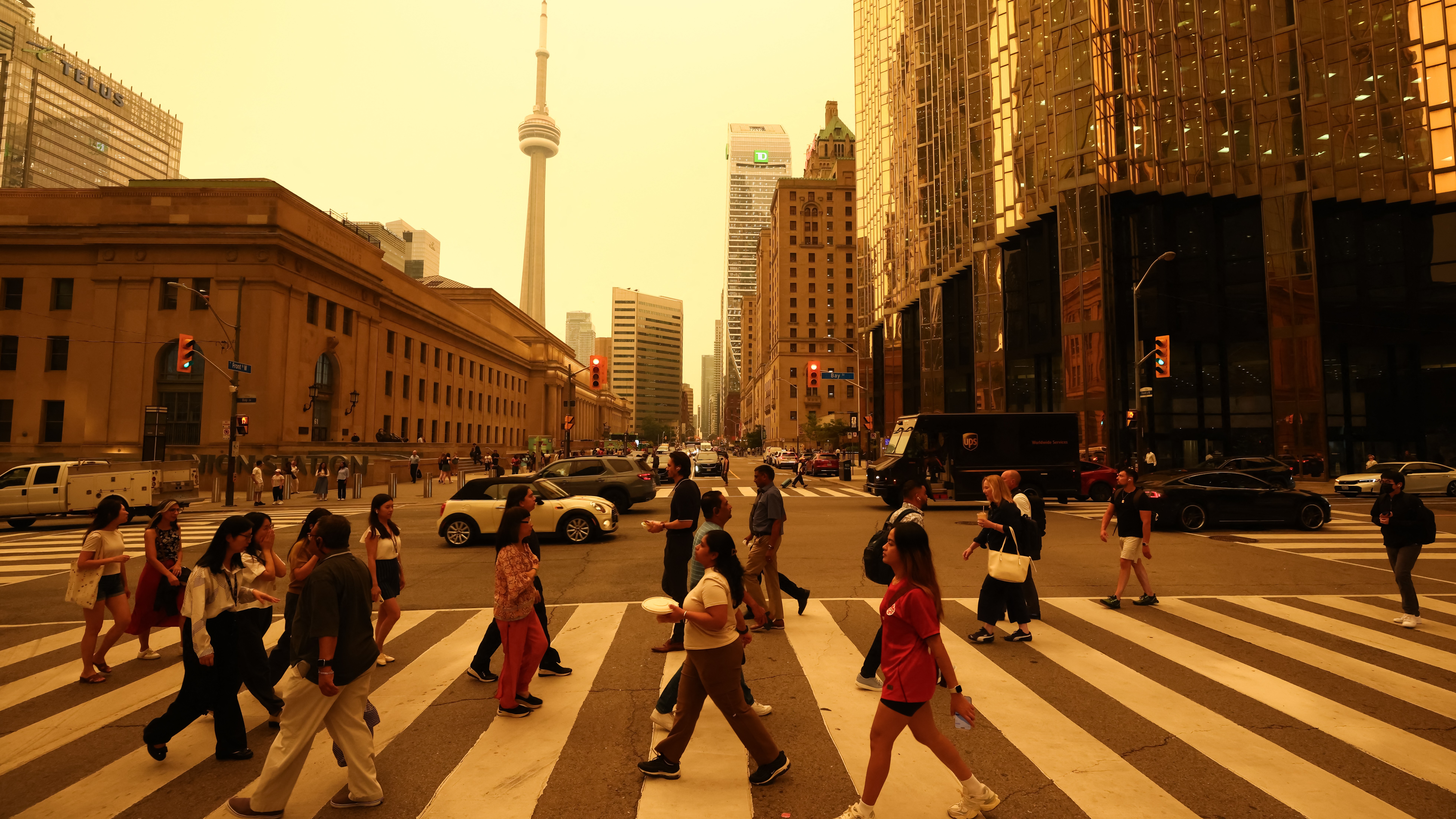
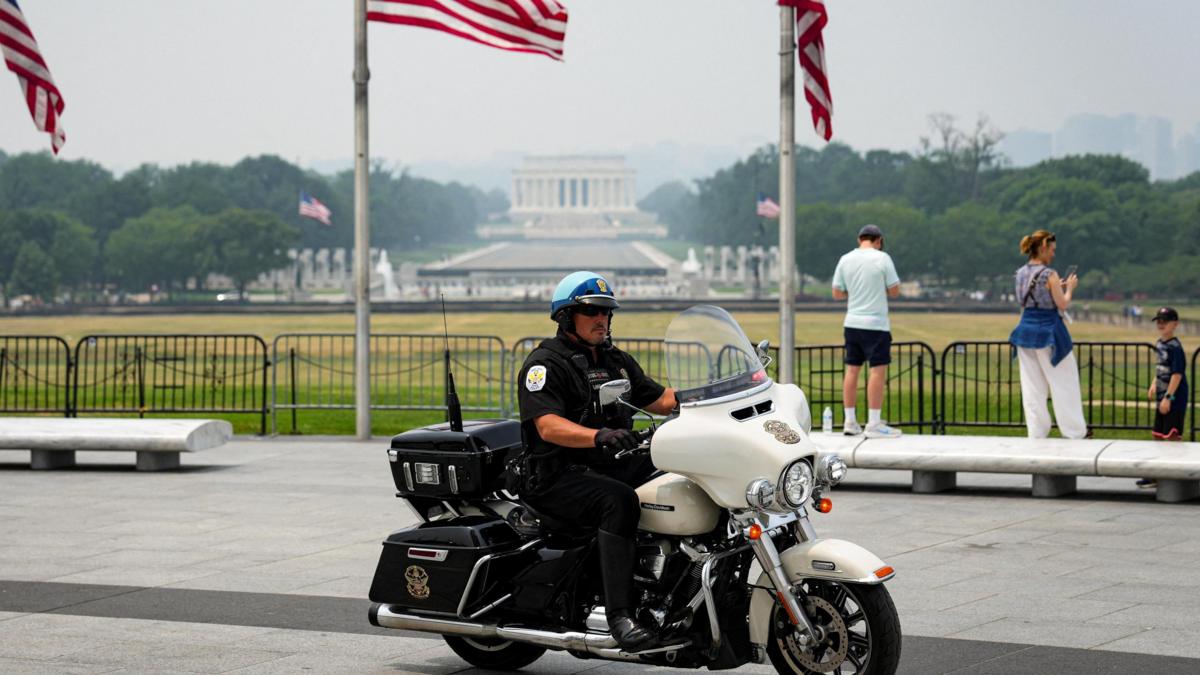
- Wildfire smoke from Canada and Minnesota spread across the US, triggering air quality alerts in more than 20 states as "unhealthy" levels hit the Midwest and Northeast.
- The US air purifier market is projected to more than double from $2.8bn in 2022 to $4.78bn by 2030, fueled in part by increasing wildfire smoke.
- HEPA filters — the gold standard — remove 99% of particles as small as 0.3 microns, but Jill Heins of the American Lung Association says these devices "clean" rather than "purify" air, since most don't kill viruses or bacteria without extra tech like germicidal UV.
- Colorado State University's Jienan Li recommends purifiers for people with asthma, allergies, or cardiovascular conditions — and at an AQI of 150 or higher, "everyone should consider using one."
- Good units cost $150 to $1,500, with solid single-room options under $300; a DIY Corsi-Rosenthal box (MERV13 filters plus a box fan) achieved a CADR of 600-850 cubic feet per minute in a 2022 study.
- Decades of air quality gains are reversing: PM2.5 levels were declining in 41 states before 2016, but increasing wildfire severity has undone that progress.
Why it matters: For residents in 20+ states under air quality alerts, the choice now runs from a $150-$1,500 commercial purifier down to a ~$50 DIY Corsi-Rosenthal box — and with PM2.5 progress reversing after 2016, indoor air filtration is shifting from a niche allergy product to a baseline health consideration for millions of Americans.
Ask SkimNews