NCAA Five-for-Five Rule Squeezes 2027 Recruits — SkimNews
Get the Sports newsletter
Daily sports — scores, transfers, the storylines from the leagues you actually follow. Free.
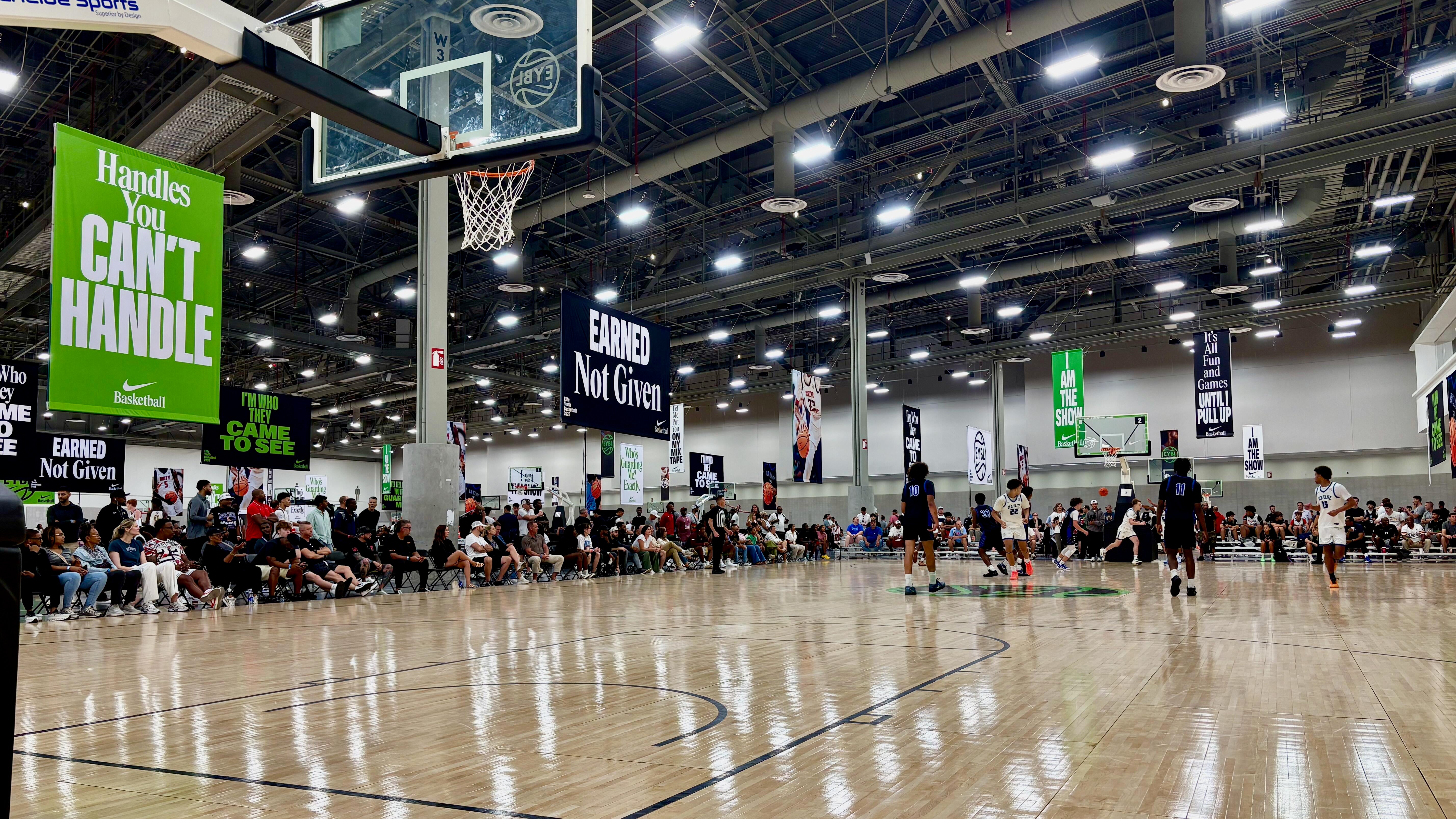
- The NCAA's five-for-five rule grants student-athletes five years of eligibility over a five-year span, but coaches at the Nike EYBL session in Las Vegas said almost no Division I players will exhaust eligibility after next season, creating a roster logjam.
- Of 101 Class of 2027 prospects ranked 50th to 150th at 247Sports, only 12 are already committed to a Power-4 school — the lowest engagement figure for that ranking band in recent memory.
- One anonymous power-conference coach said he has a borderline top-50 kid he believes he could sign right now but is "not sure if we should" because he could theoretically bring back his entire roster after next season.
- Alabama coach Nate Oats told assistant Preston Murphy that "this year's high school class is going to get screwed a little bit," arguing that players who should be exiting college basketball are not going to leave.
- The 75th-ranked 2027 prospect currently holds power-conference offers from Boston College, Florida State, Mississippi State, Oklahoma State, Wake Forest and West Virginia — a stark contrast to the 75th-ranked 2017 prospect, who held offers from Florida and Louisville before signing with Auburn; those three bluebloods have made 10 Final Fours this century versus two for the six programs currently offering the 2027 player.
- UNLV coach Josh Pastner told 2027 prospects that "in the Spring, because of the financial ability [power-conference schools] have, they're going to go get transfers, and you're going to end up transferring back to us a year later" — arguing mid-majors have a rare window to land overlooked recruits.
- Coaches told the columnist that even after transfers shake out, talent will "mostly consolidate in the power conferences because, you know, follow the money," leaving mid-major rosters as the more realistic landing spot for most 2027 prospects.
Why it matters: With only 12 of 101 mid-tier 2027 prospects committed to Power-4 programs and coaches openly admitting they may sit on scholarships to evaluate transfer-portal options, the Class of 2027 faces the weakest high school recruitment market in modern college basketball — rerouting talent toward mid-majors like UNLV while accelerating NIL-driven consolidation at the top.
Ask SkimNews