A heavily jeered $250m goldmine - are hydration break ads here to stay?
Get the Sports newsletter
Daily sports — scores, transfers, the storylines from the leagues you actually follow. Free.
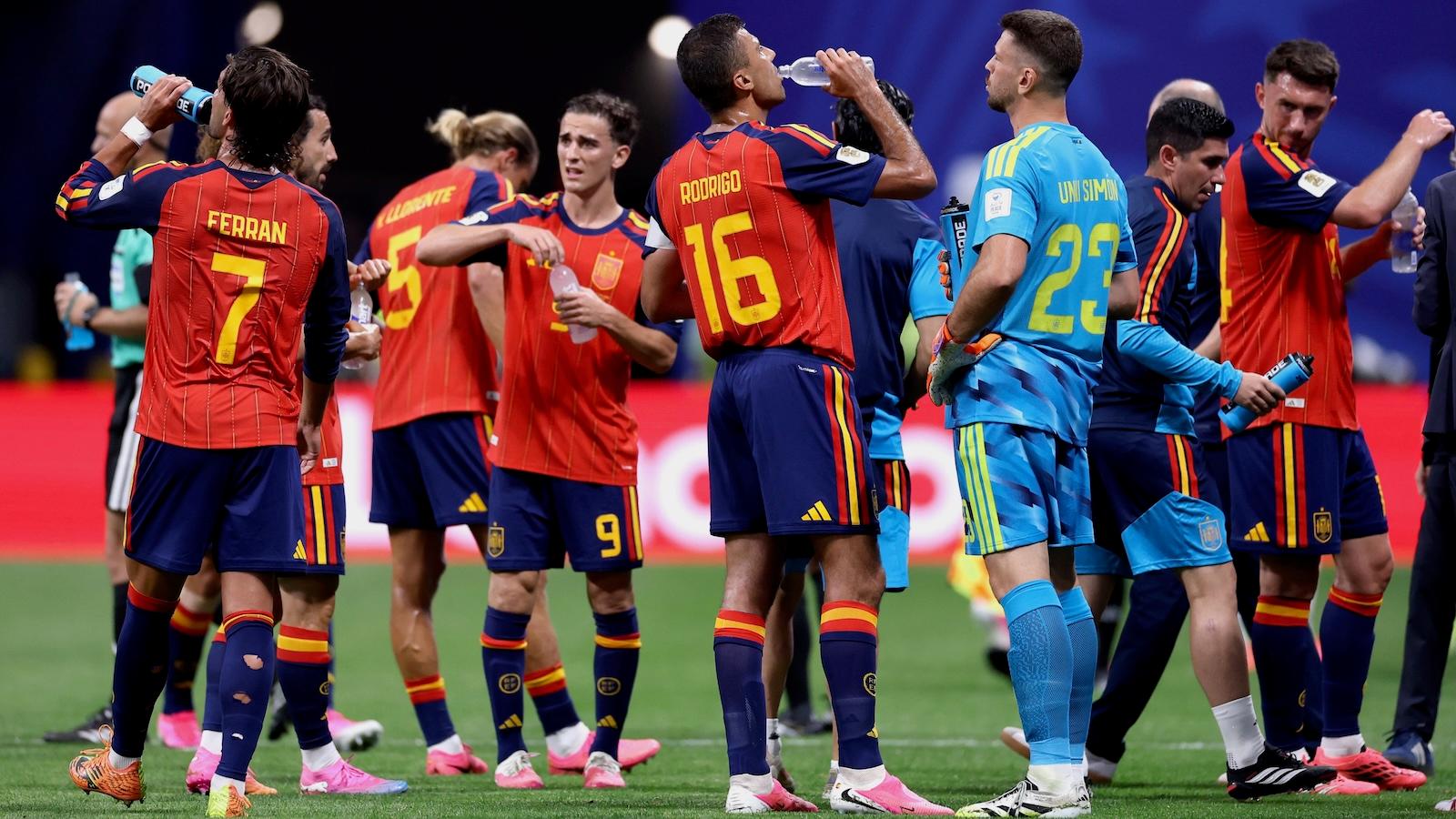
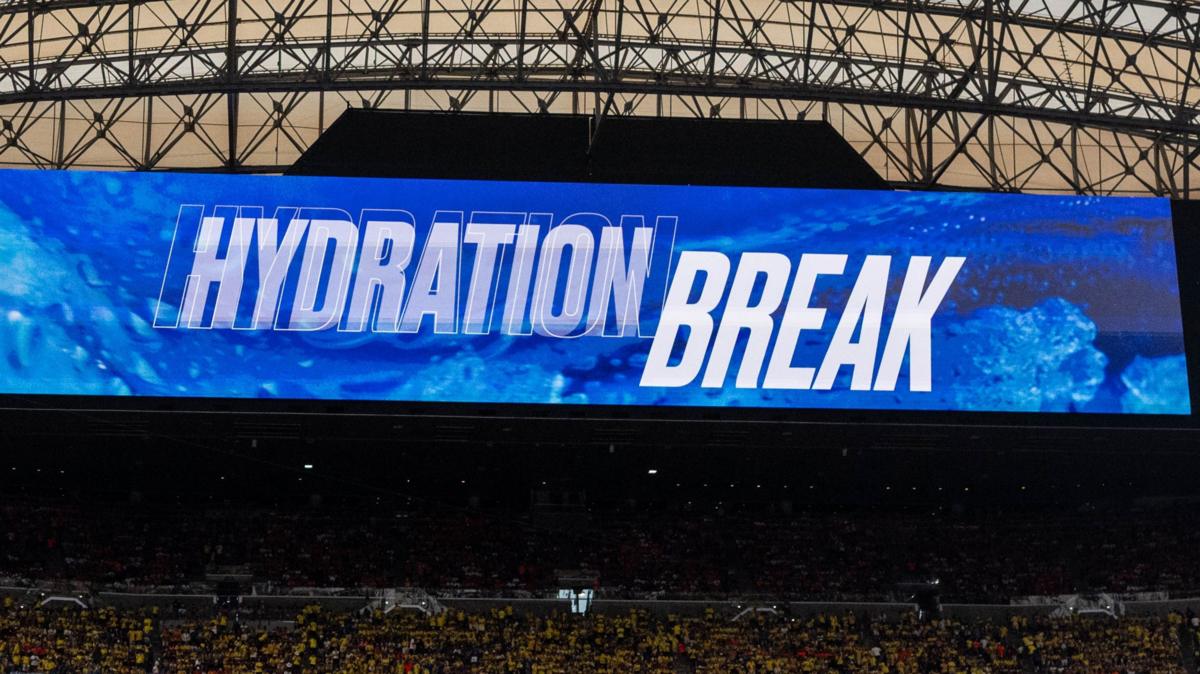
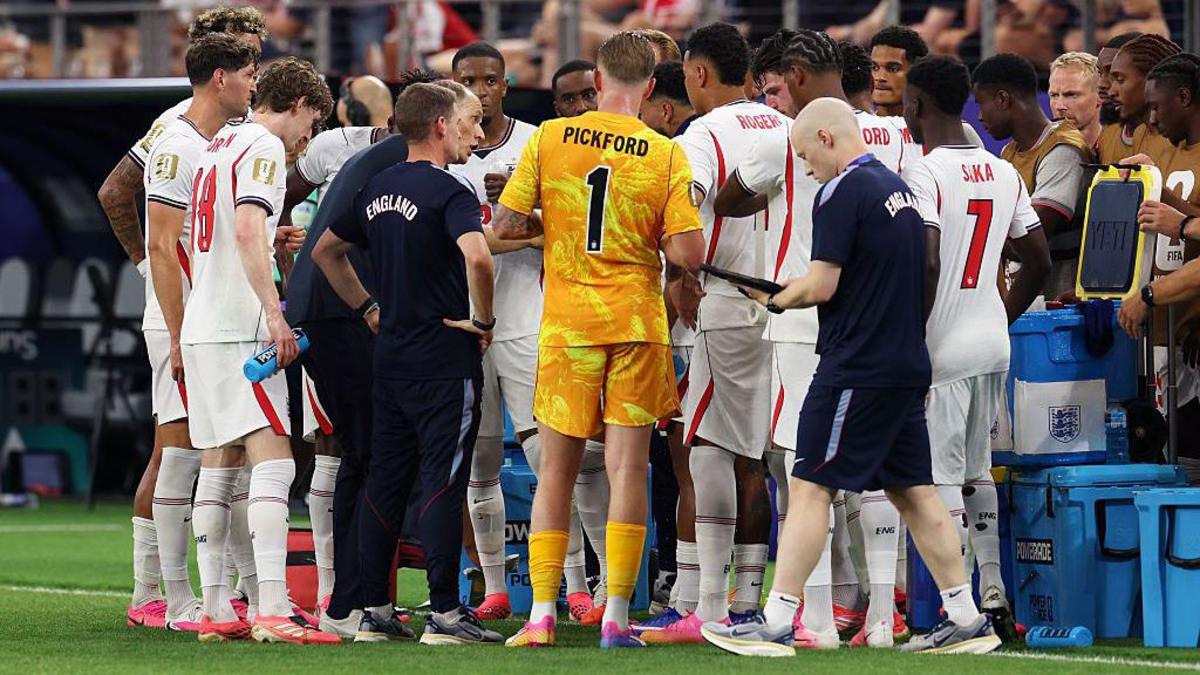
- FIFA introduced mandatory three-minute hydration breaks at each half, creating up to eight extra 30-second ad slots per match—832 across the tournament—with Fox Sports charging $200,000-$300,000 per slot and up to $750,000 for USA matches and later rounds.
- Experts estimate hydration-break advertising will generate $250m+ in the US alone and over $1bn globally, while Fox Sports paid only $485m for the US broadcast rights.
- Fox Sports layers triple advertising during each pause: full-screen commercials, a sponsor brand attached to the break itself, and on-pitch branding from FIFA sponsor Coca-Cola, which provides drinks for players.
- UK viewers are shielded because the BBC carries no advertising and ITV's mid-match ad volume is capped by Ofcom regulations on how many ads can air in a 60-minute window.
- Telemundo is one of the few broadcasters refusing to run ads during the breaks, with its commentator saying: "We prefer the old school way. We should be able to see what the players do."
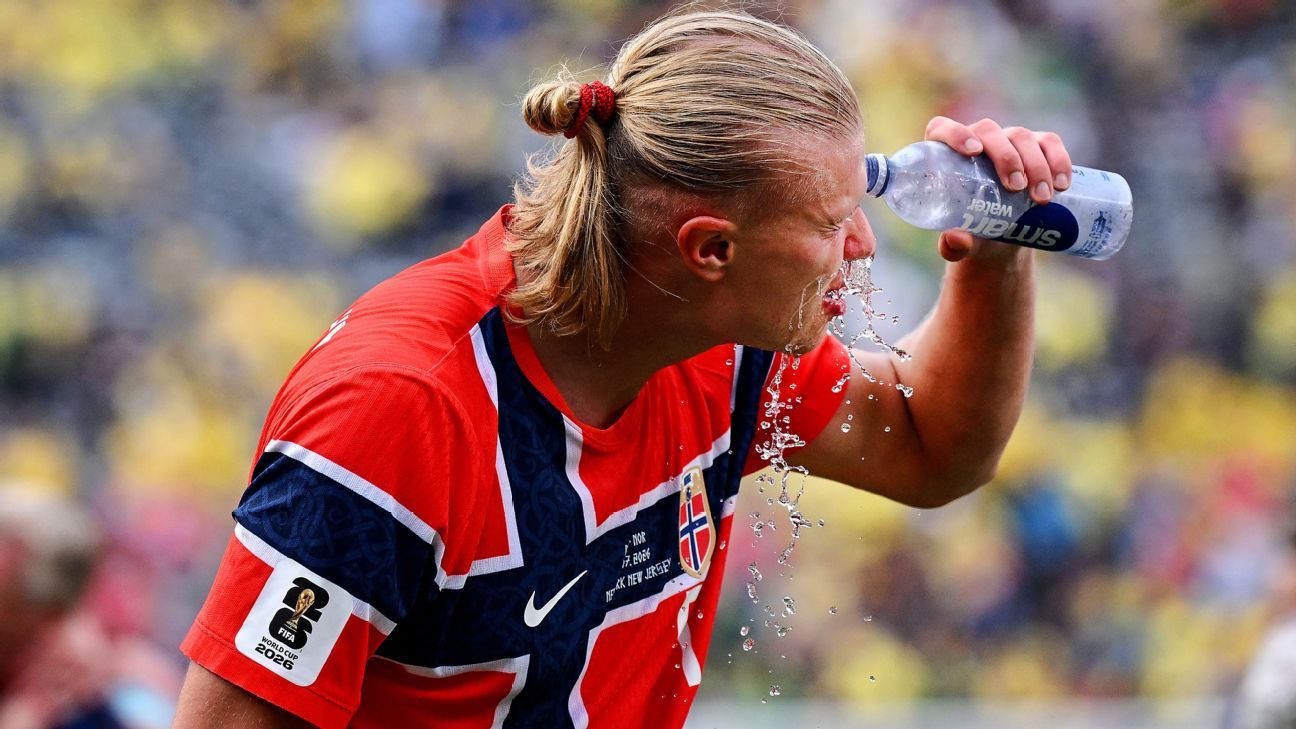
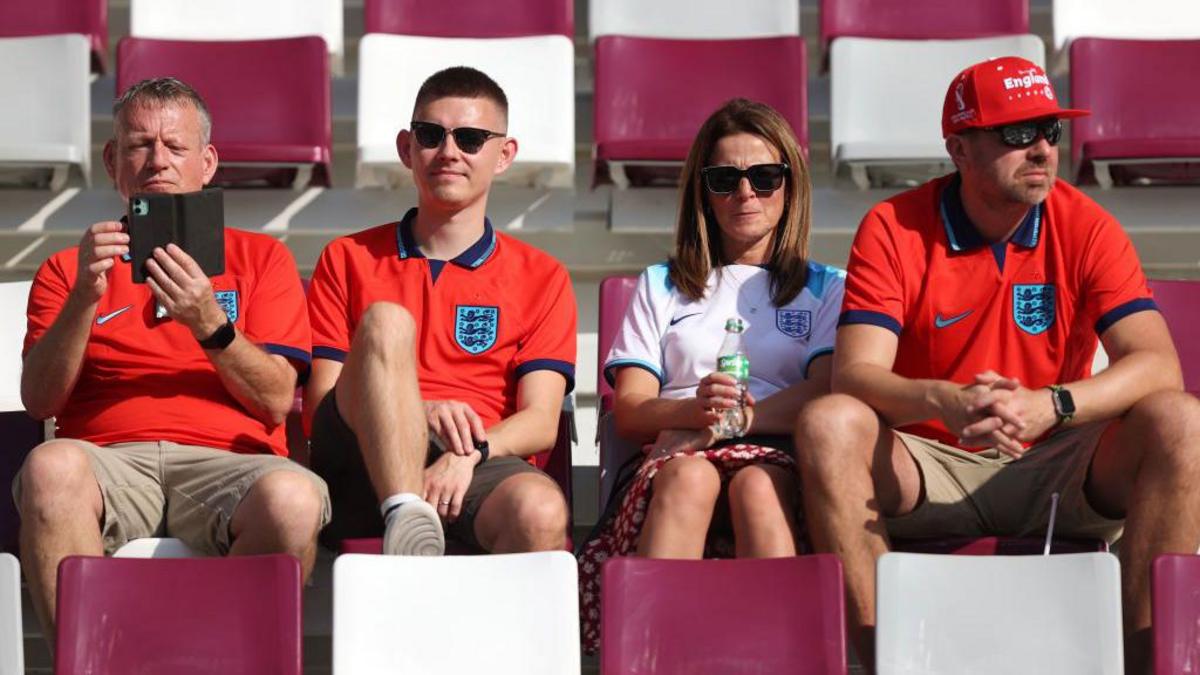
- Fans have loudly jeered the breaks at nearly every venue, while managers and players have criticized them for disrupting match momentum.
- UEFA told BBC Sport it has no plans to adopt hydration-break rules for the Champions League or Euro 2028, and the breaks are likely to stay long-term given the 2030 World Cup in Morocco, Spain, and Portugal will be held in hot summers.
Why it matters: FIFA doesn't directly pocket hydration-break ad revenue, but the extra inventory makes broadcast rights more valuable—Fox paid just $485m for US rights while pulling in $250m+ from hydration ads alone. That dynamic lets FIFA charge higher fees next cycle, while UEFA has confirmed it won't adopt the breaks for Champions League or Euro 2028.