FIFA's Universal Hydration Breaks Spark 'Water-Gate'
Get the Sports newsletter
Daily sports — scores, transfers, the storylines from the leagues you actually follow. Free.
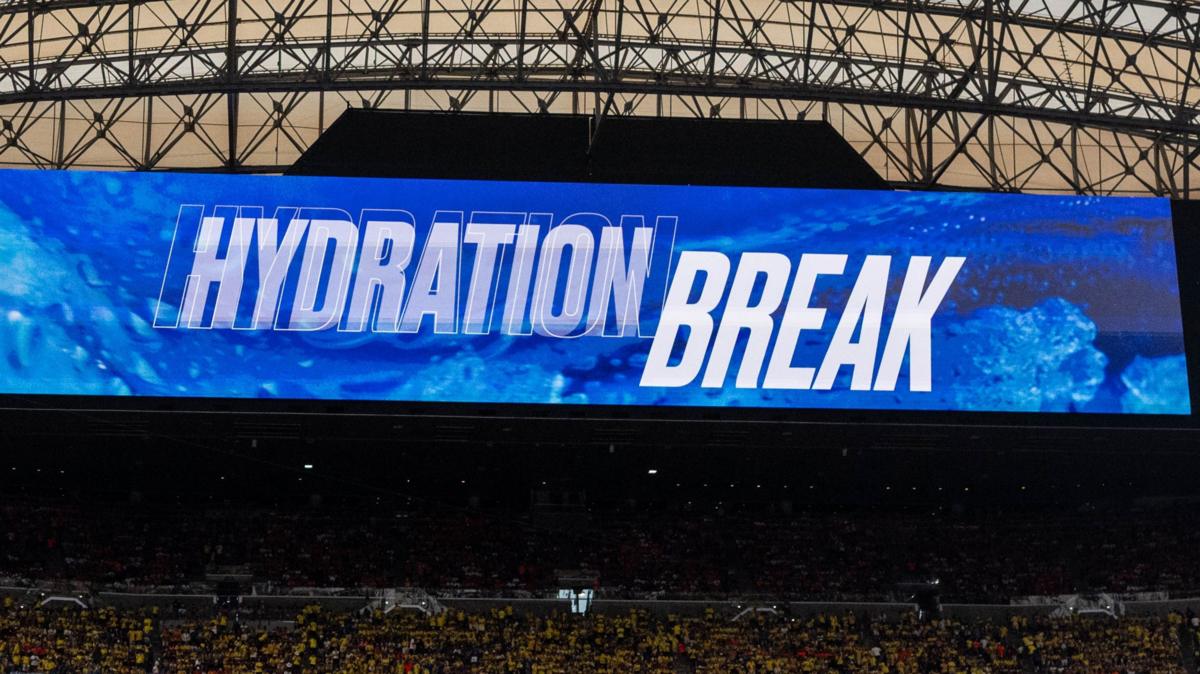
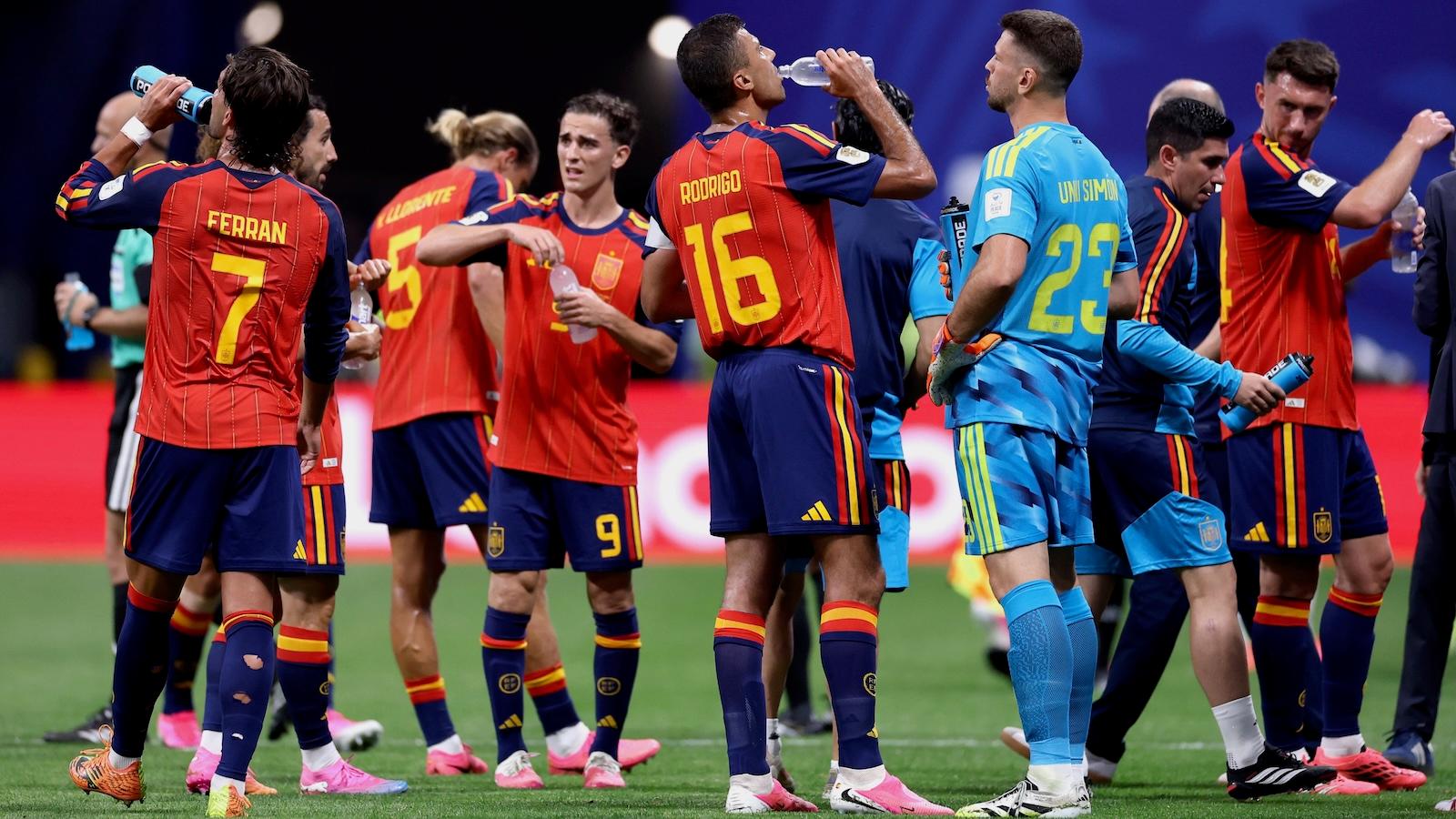
- FIFA mandated three-minute hydration breaks in all World Cup matches regardless of temperature, humidity, or whether games are played indoors with air conditioning, replacing the prior rule that triggered breaks only when the wet bulb temperature reached 32°C (~90°F).
- The move followed criticism from player union FIFPRO after a U.S. tournament last summer, where it said extreme heat should have canceled matches and called for 'mitigation strategies that protect the health and wellbeing of our players.'
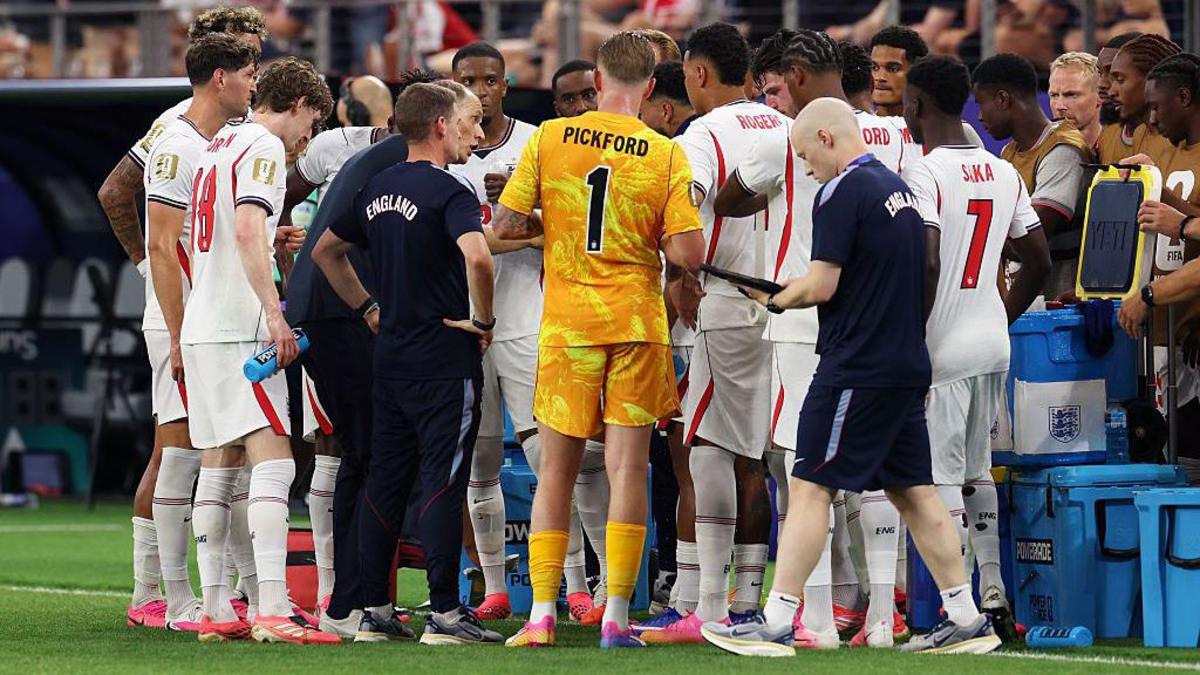
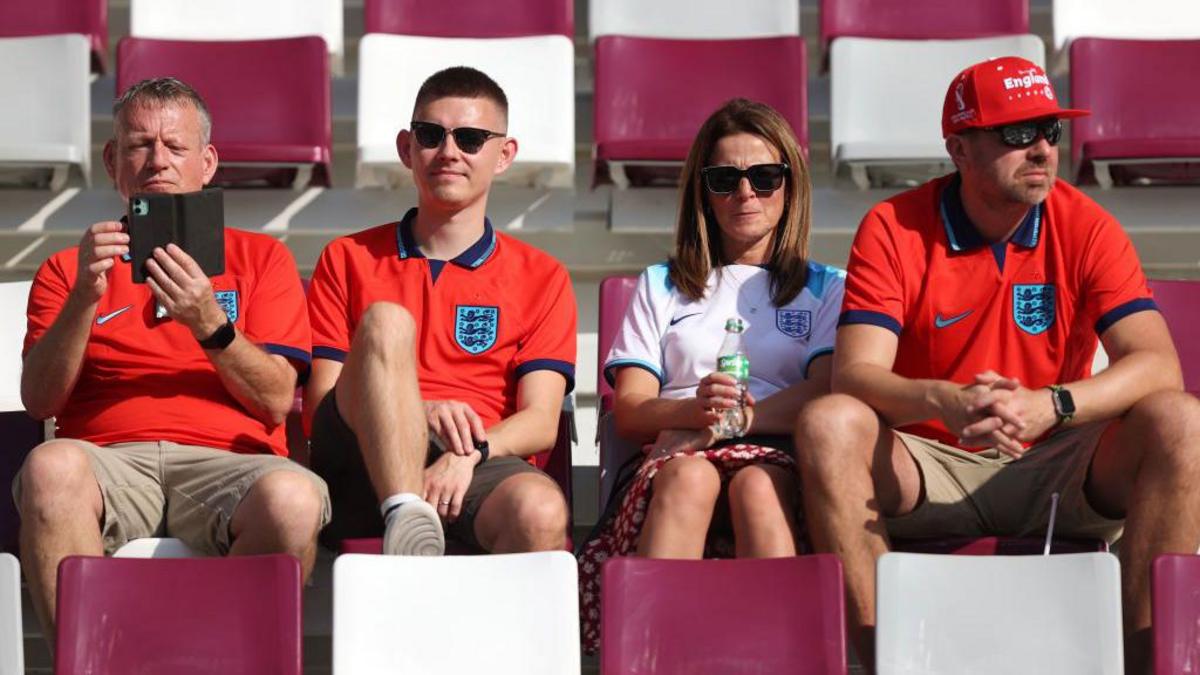
- Fans at the England-Croatia match booed the breaks; The Independent ran a 'water-gate' headline and the Daily Mail's chief sportswriter called them a 'momentum killer' and a 'money-grabbing disgrace,' while Reddit users posted complaints like 'FIFA ruined the beautiful game.'
- The breaks create roughly 2 minutes and 10 seconds of extra ad time per half, with 30-second World Cup spots selling for about $200,000 in early games and up to $750,000 when the U.S. team plays, according to the Wall Street Journal.
- American broadcaster Fox cut to commercials that outlasted the first hydration break—roughly 67 minutes into the opening game—and the temperature at that kickoff was a balmy 74°F; FIFA declined to punish the network.
- Netherlands captain Virgil van Dijk said breaks help 'if it's really hot' but should be evaluated per game, while climate-focused Vermont Green FC coach Chris Taylor told Grist: 'I don't think the health of the players is their primary concern. This World Cup has felt that every angle has been monetized.'
Why it matters: FIFA's universal hydration rule hands broadcasters an extra ~2 minutes 10 seconds of guaranteed ad inventory per half, with 30-second spots priced up to $750,000 for U.S. team games—so a well-intentioned player-safety measure now functions as a revenue lever, and the governing body's refusal to address that perception risks further eroding fan trust.