Arginine Restores Immune Signal Against Cancer, Viruses — SkimNews

Get the Health newsletter
Daily health & science — research, biotech, public health, the studies worth knowing. Free.
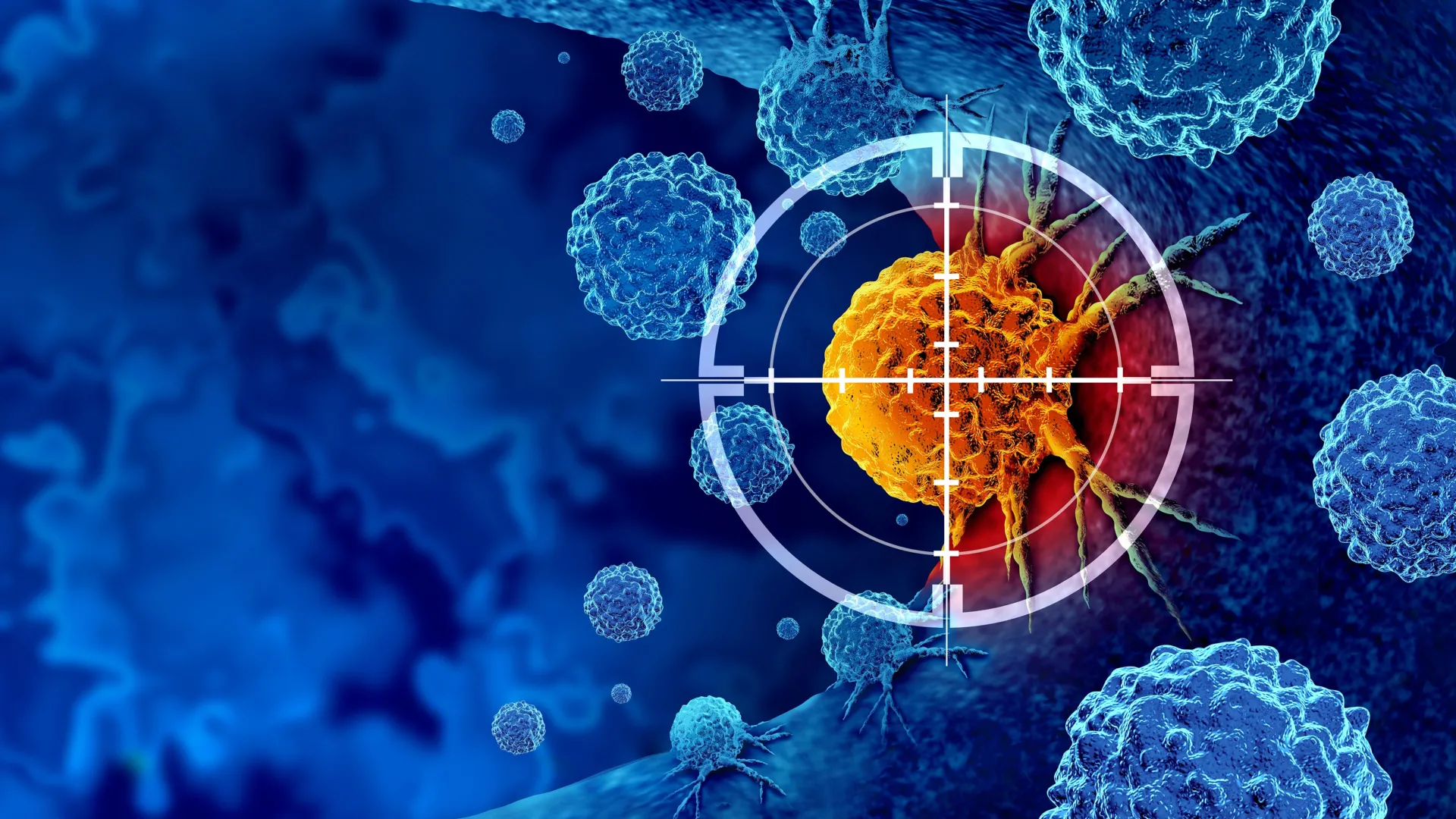
- Sohail Tavazoie's lab at Rockefeller University published findings in Cell showing that arginine scarcity stalls ribosomes building MHC-1, the surface protein that displays abnormal or viral peptides to T cells, letting dangerous cells slip past immune detection.
- First author Qiushuang Wu found that arginine was the most depleted amino acid across colon cancer, influenza, and SARS-CoV-2 models, and that 414 proteins dropped to unusually low levels in arginine-starved cell cultures, including three HLA genes responsible for MHC-1.
- Mouse dietary studies showed arginine-rich diets produced fewer colon tumors while low-arginine diets produced more, and animals given arginine after influenza infection also had milder outcomes — a result the researchers called surprising.
- Tavazoie proposed that arginine supplementation could be tested in patients receiving immunotherapies or in high-risk populations exposed to viral pathogens, noting the amino acid is inexpensive and readily available.
- The researchers tied falling arginine levels to aging-related vulnerability, arguing that age-related arginine decline may partially explain higher colon cancer incidence and respiratory virus mortality in older adults.
Why it matters: If human trials confirm the mouse results, oncologists could pair an inexpensive, over-the-counter amino acid with existing immunotherapies to boost MHC-1 signaling, while public-health programs could deploy arginine in high-risk populations during viral outbreaks. The study also reframes poor diet and aging — both linked to arginine depletion — as direct contributors to immune evasion, not just background risk factors.
Ask SkimNews