Industry Pushes Laws to Block Community Air Monitoring Data — SkimNews
Get the Energy newsletter
Daily energy & climate — solar, EVs, oil, the policy fights and tech bets shaping the transition. Free.
- The federal air monitoring network has nearly halved in size over the past 20 years, with inflation-adjusted grants falling more than 35%, and monitoring for vinyl chloride, chloroprene, and benzene each shrinking by more than half from 2004 to 2025.
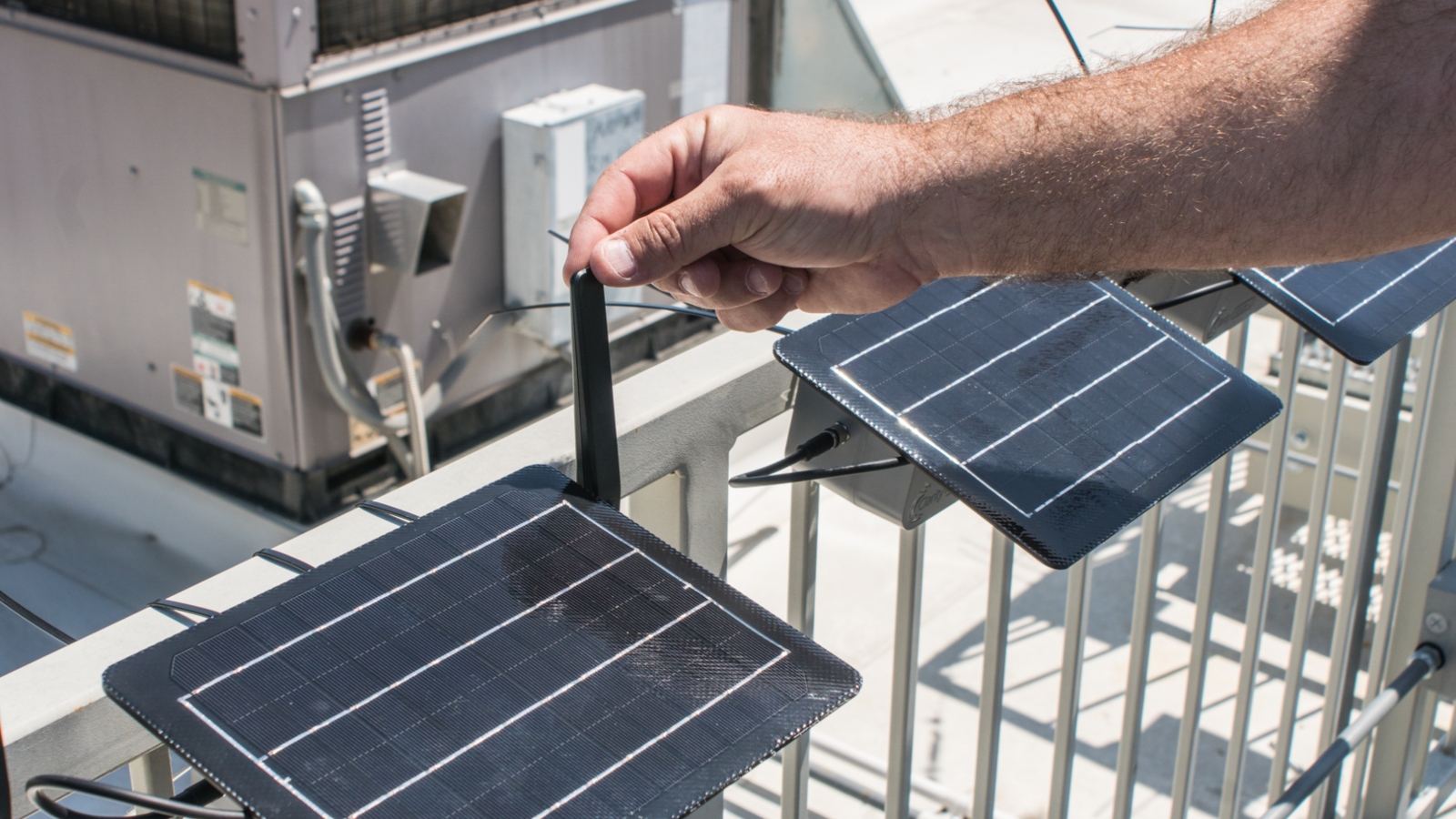
- Louisiana, Kentucky, and Ohio lawmakers have passed strikingly similar bills since 2024 that bar regulators from using community-collected air data in enforcement unless it meets EPA-approved standards — with similar bills pending in West Virginia.
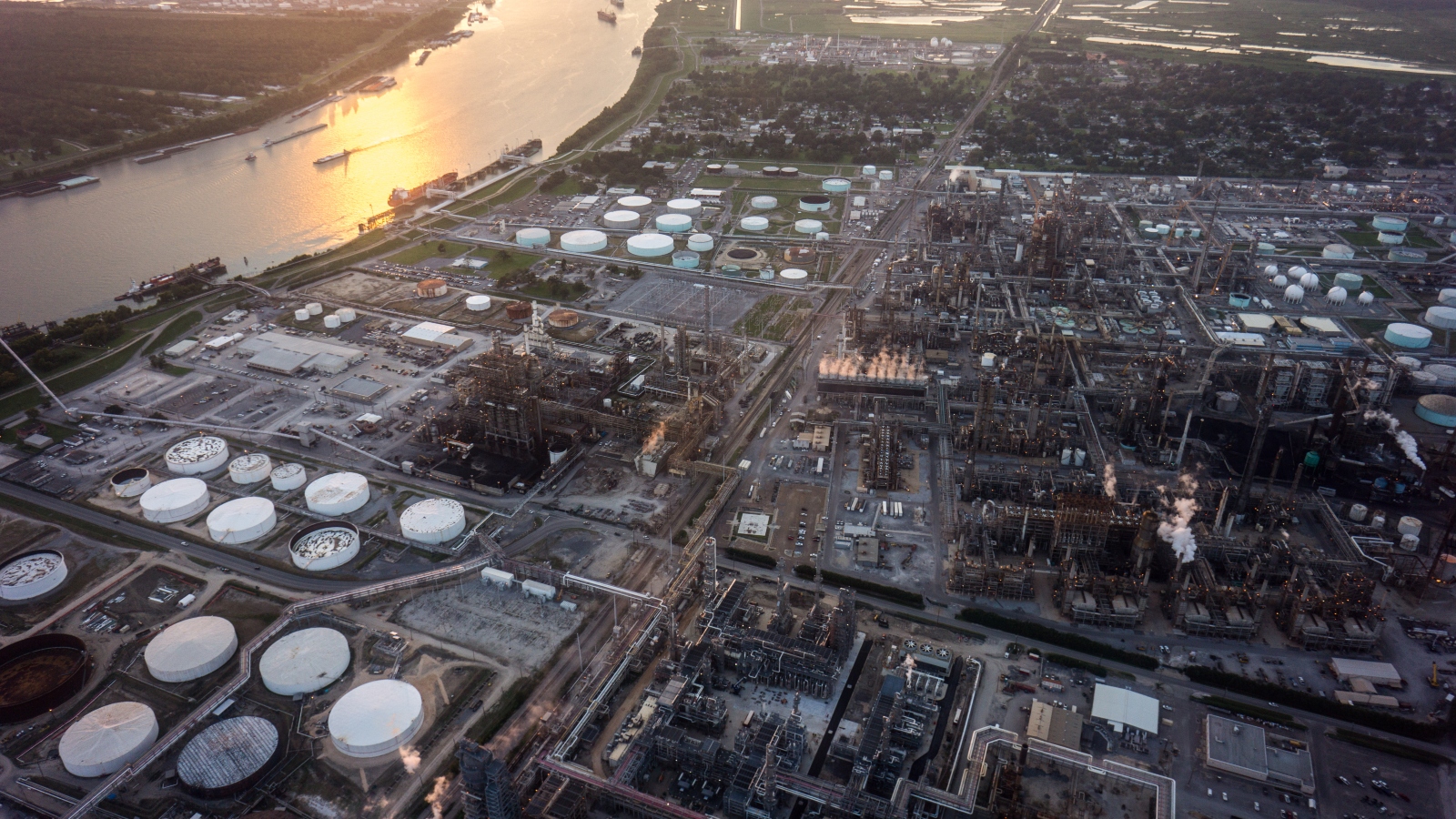
- Floodlight's analysis of the 100 largest industrial polluters in those four states found that for 71 facilities, the chemical each releases most is not measured by any government monitor in the state.
- The Trump administration canceled a $500,000 Biden-era IRA grant to the Louisiana Environmental Action Network after only 4 of 27 planned community monitoring sites were installed, and has granted more than 60 petrochemical facilities exemptions from a rule meant to cut toxic emissions by nearly 80% at roughly 200 chemical plants.
- The American Chemistry Council spent more than $22 million lobbying in 2024 (10th among 9,200 tracked organizations), successfully pushed back federal fenceline monitoring rules for ethylene oxide in Louisiana's Cancer Alley, and used the phrase "scientifically defensible" in a 2023 blog post that mirrors language now in Kentucky's HB 137.
- Chemours internally opposed a West Virginia bill version designed to ensure monitoring accuracy, writing that it "essentially codifies what we are trying to prevent."
- A 2025 study co-authored by Penn State's Nelson Roque found nearly 6 in 10 U.S. counties have no public air monitor at all — a gap that hits hardest in Black and low-income communities already bearing disproportionate cancer risks from air toxics, per EPA.
Why it matters: EPA's own data shows Black and low-income communities bear disproportionate cancer risks from air toxics, yet 71 of 100 major polluters in four states go unmonitored for their top emissions — and the industry-backed laws now strip communities of the workaround they were building. The result: the same populations already most exposed to pollution lose both the federal monitors and the community data path to enforcement.
Ask SkimNews