North Korea test fires strategic cruise missiles: KCNA — SkimNews
Get the Geopolitics newsletter
Daily geopolitics — wars, elections, sanctions, the diplomatic moves that move markets. Free.
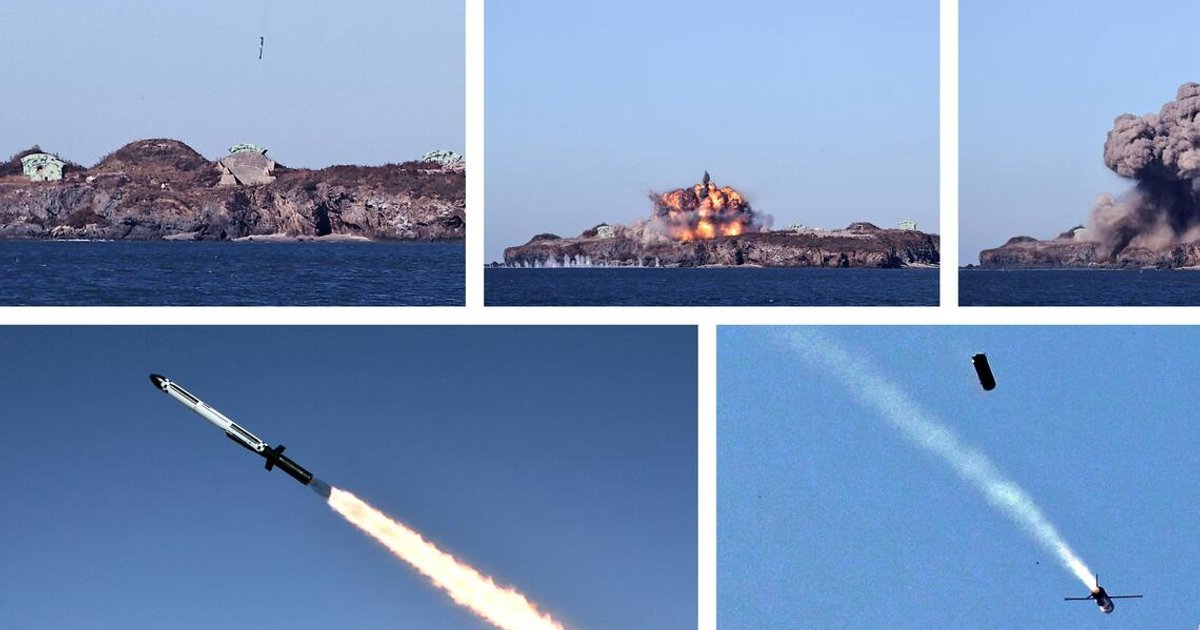
- North Korea test-fired strategic cruise missiles on Nov. 2, one day after testing cluster-bomb warheads, KCNA said on Nov. 3, as tensions with Seoul rose after a border landmine blast wounded three South Korean soldiers.
- KCNA said the “middle-sized dispersal warhead” was capable of turning a target area of 5 to 6 hectares into “ashes” at its highest-density power.
- Missile Administration said the test “perfected” delivery of a vertical strike by improving the cruise missile’s terminal maneuverability, with the targeted area’s natural and geographical characteristics taken into account.
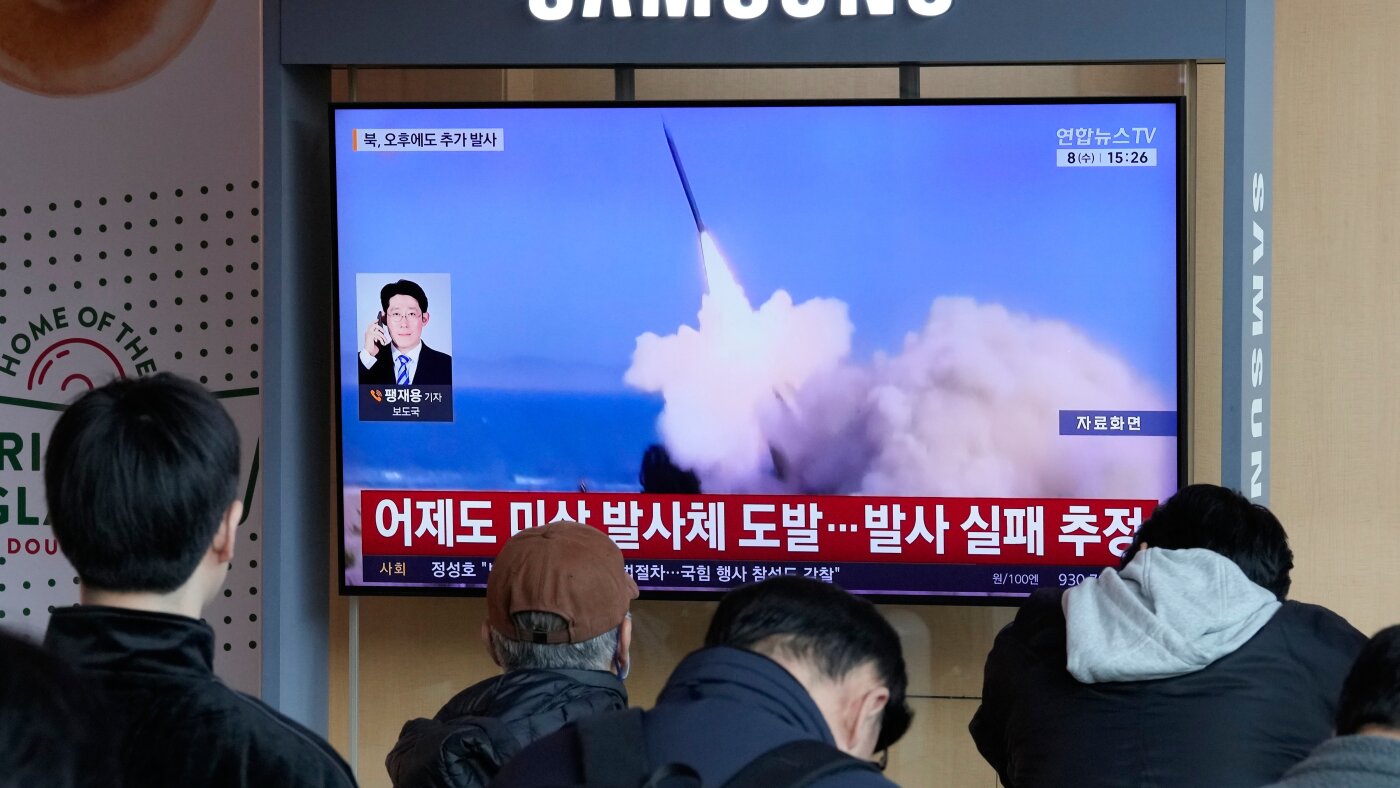
- Jang Do-young said South Korea and the United States were closely coordinating a highly detailed analysis of the Nov. 1 reported test; the military does not announce every North Korean projectile because disclosure decisions factor in surveillance, reconnaissance and operational security.
- UN Security Council sanctions do not prohibit North Korean cruise-missile tests, unlike launches of ballistic missiles, leaving the Nov. 2 test outside that specific prohibition.
- North Korea had recently trialled attack drones, a new precision-guided torpedo system and an intermediate-range hypersonic missile, placing the cruise-missile shot within a broader succession of weapons tests.
Why it matters: KCNA said North Korea’s Nov. 2 test showed a dispersal warhead able to turn 5 to 6 hectares to ash and improved terminal maneuverability, amid trials of drones, a precision-guided torpedo and an intermediate-range hypersonic missile. For Seoul and Washington, cruise-missile tests are not prohibited by UN Security Council sanctions, unlike ballistic-missile launches.
Ask SkimNews