North Korea Tests Strategic Cruise Missiles — SkimNews
Get the Geopolitics newsletter
Daily geopolitics — wars, elections, sanctions, the diplomatic moves that move markets. Free.
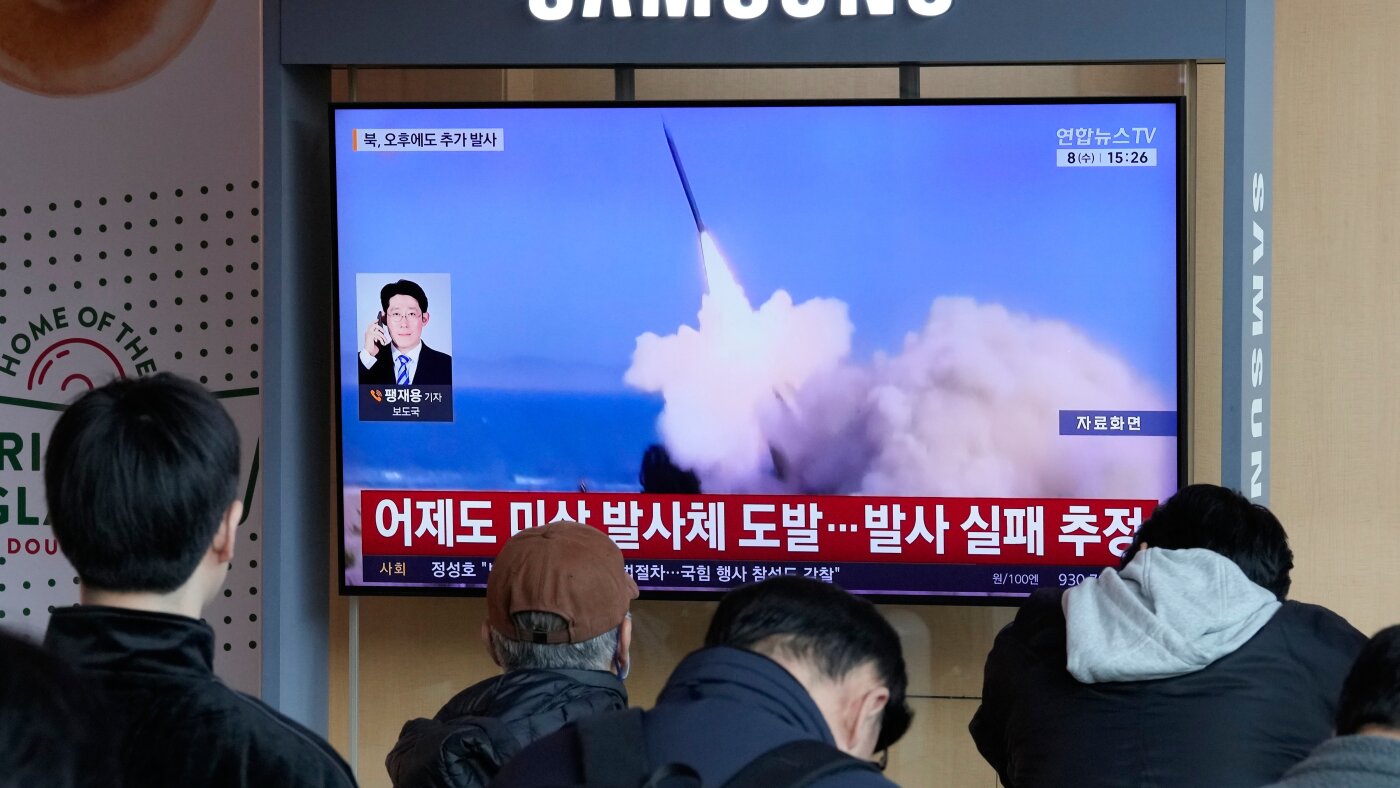
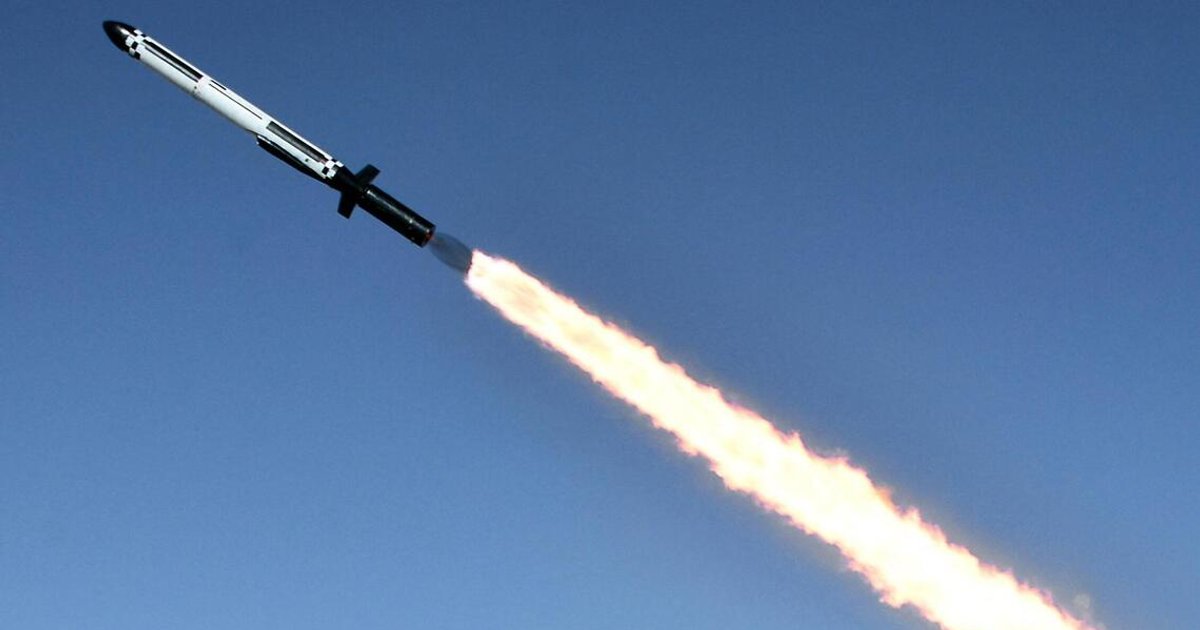
- North Korea test-fired strategic cruise missiles on November 2, one day after testing cluster-bomb warheads, amid tensions following a border landmine blast that injured three South Korean soldiers.
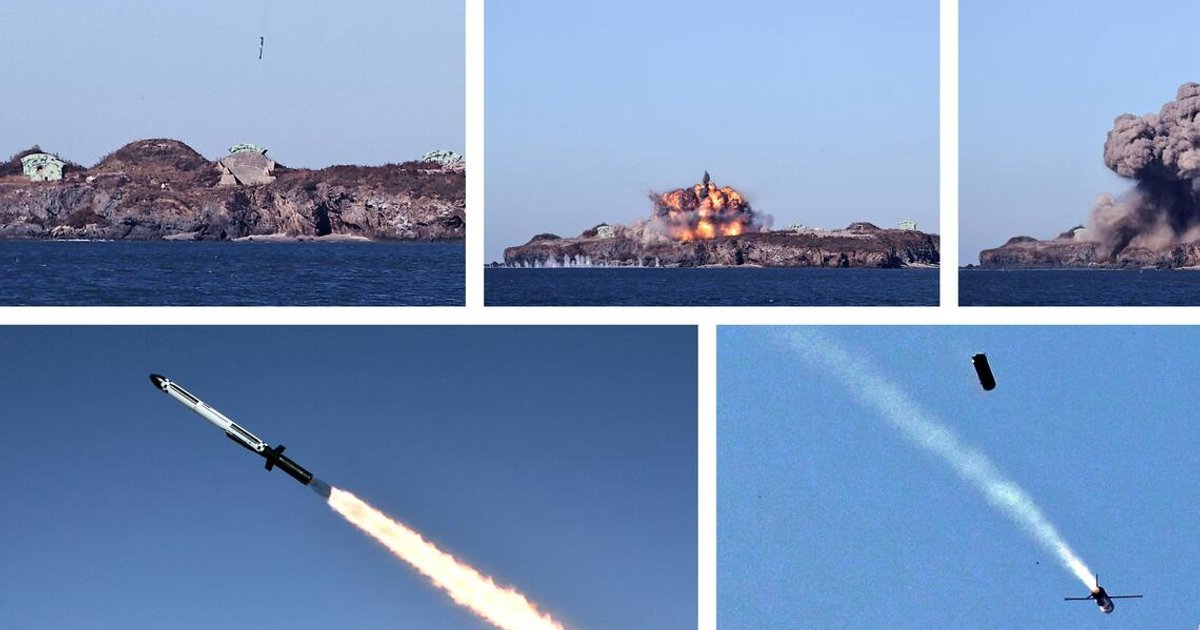
- KCNA said the missile’s “middle-sized dispersal warhead” could turn a target area of 5 to 6 hectares into ashes with its “highest-density power.”
- KCNA said the test improved terminal maneuverability for a vertical strike tailored to the target area’s natural and geographical characteristics.
- North Korea has recently trialled attack drones, a precision-guided torpedo system and an intermediate-range hypersonic missile.
- South Korea did not announce the November 2 cruise-missile launch or the November 1 test, saying it does not announce every North Korean projectile and weighs surveillance protection and operational security.
- Jang Do-young said South Korea and the United States were closely coordinating a highly detailed analysis of the November 1 test’s characteristics and specifications.
- United Nations Security Council sanctions do not prohibit North Korean cruise-missile tests, unlike ballistic missile launches.
Why it matters: North Korea gains a publicly claimed 5-to-6-hectare strike option, while Seoul and Washington are left assessing the November 2 system through bilateral technical analysis because United Nations Security Council sanctions do not prohibit cruise-missile tests, unlike ballistic launches. The test falls outside that sanctions framework, making the two allies’ technical findings central to evaluating it.
Ask SkimNews