Menstrual Blood Vesicles Regenerate Cartilage — SkimNews

Get the Health newsletter
Daily health & science — research, biotech, public health, the studies worth knowing. Free.
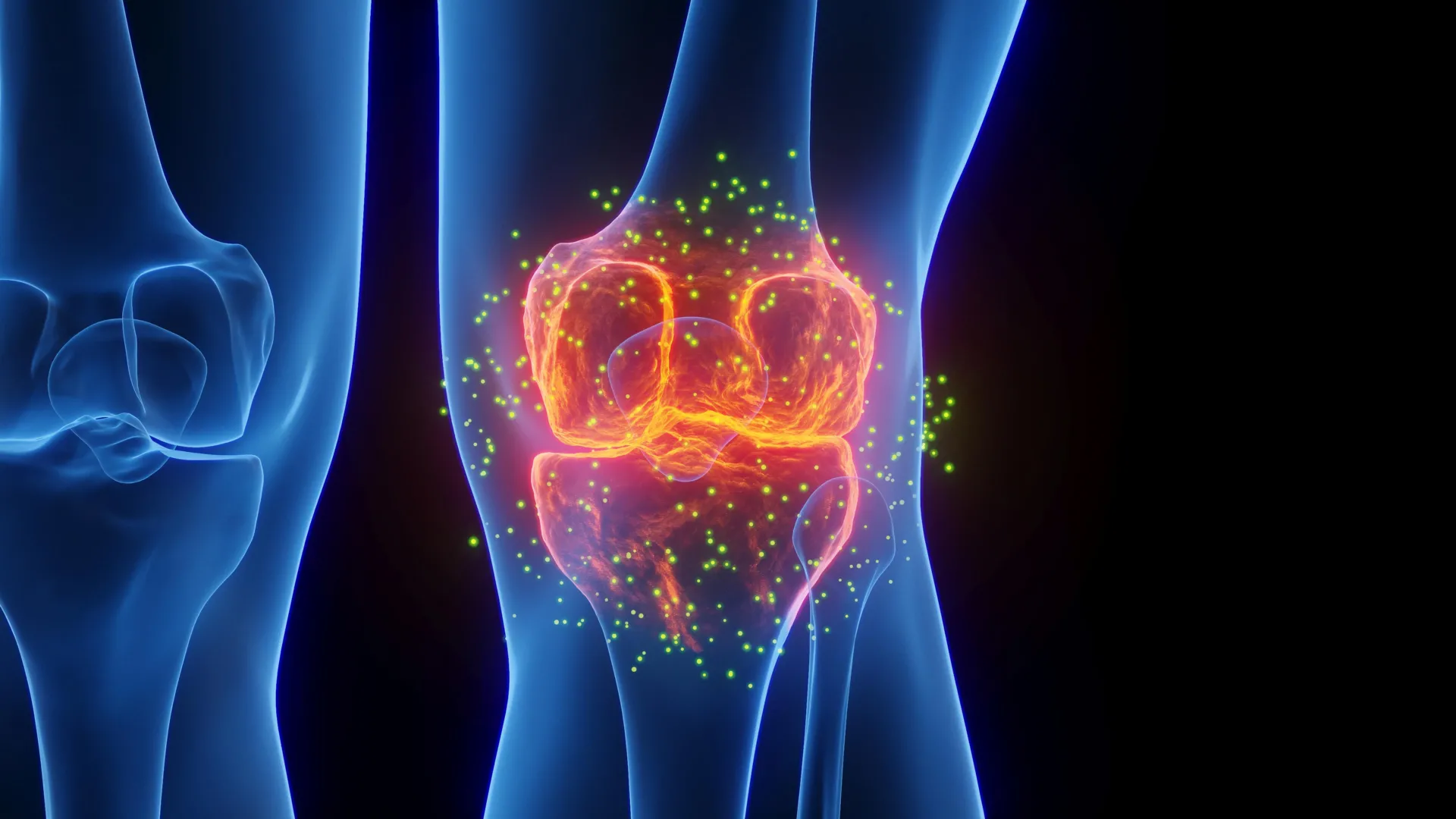
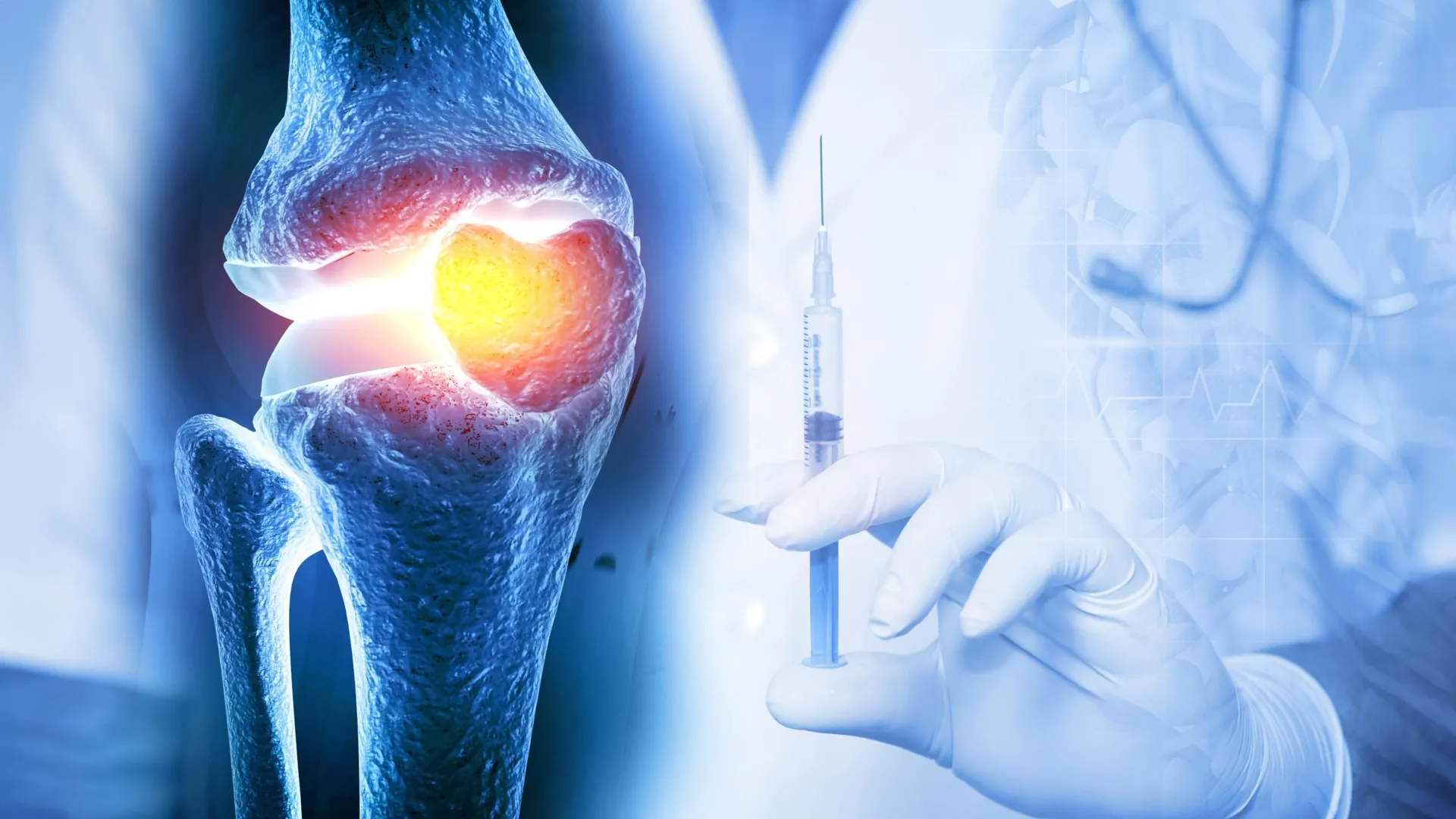
- Kaunas University of Technology researchers published a study in Scientific Reports showing that extracellular vesicles (EVs) derived from menstrual blood stromal cells can stimulate cartilage repair, proposing a cell-free therapy for osteoarthritis.
- The experiment used menstrual blood samples from three healthy donors and post-surgical cartilage tissue from ten female osteoarthritis patients, testing EV effects on human cartilage via protective biological scaffolds.
- Dr. Ilona Uzielienė said the most surprising finding was that the therapy worked even on cartilage from older postmenopausal women—improving cell function, slowing tissue degradation, and restoring progesterone receptor expression where only minimal traces would normally remain.
- More than 600 million people worldwide live with osteoarthritis, with 73% over age 55 and 60% female; current clinical treatments only manage pain and inflammation and cannot halt cartilage degeneration.
- Dr. Edvinas Krugly explained that biomimetic scaffolds are essential to the therapy because EVs are fragile and degrade quickly, requiring structures that release them gradually when joints are under pressure or in motion.
- The researchers emphasized that menstrual blood collection is non-invasive compared to bone marrow extraction, and the cells already secrete regenerative molecules as part of their natural monthly role rebuilding the uterine lining.
Why it matters: Over 600 million people worldwide live with osteoarthritis—73% over age 55 and 60% female—and no current treatment halts cartilage degeneration. A cell-free therapy sourced from non-invasively collected menstrual blood that works on older tissue could fill that gap for the demographic hit hardest by the disease.
Ask SkimNews