Tesla FSD Class Action Cites Electrek on Both Sides — SkimNews

Get the Energy newsletter
Daily energy & climate — solar, EVs, oil, the policy fights and tech bets shaping the transition. Free.
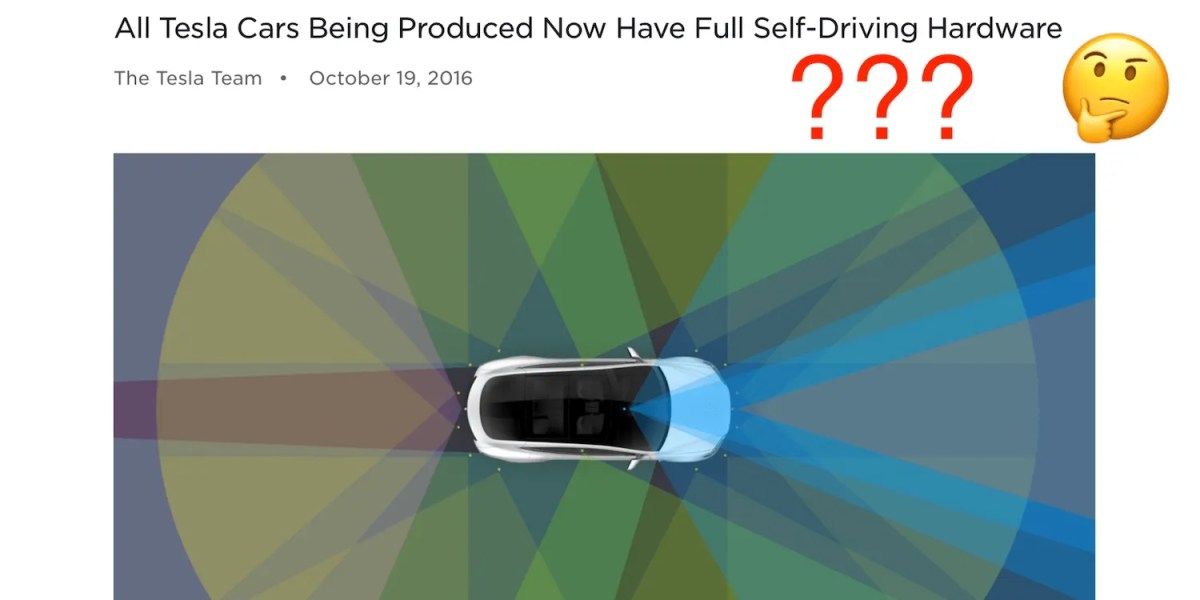
- Waller v. Tesla (No. 4:26-cv-05350-KAW), filed June 4 in the Northern District of California, covers every Tesla sold with FSD from 2017 through early 2023 — Hardware 1, 2, 2.5, and 3 computers — alleging the hardware was never capable of unsupervised driving despite Musk's 'coast-to-coast' promise.
- Named plaintiff David Waller bought a 2020 Model S for $81,790 plus a $7,000 FSD add-on on June 29, 2020, and opted out of Tesla's arbitration agreement on July 6, 2020, letting his case proceed in open court rather than forced arbitration.
- Tesla's April 2026 Q1 earnings call admission that HW3 vehicles 'simply do not have the capability to achieve unsupervised FSD' forms the lawsuit's legal backbone; the complaint pins the limitations period to that statement, arguing owners had no way of knowing the hardware was inadequate before.
- The complaint brings five counts — breach of express warranty, Kentucky Consumer Protection Act violation, fraud by misrepresentation, fraud by omission, and unjust enrichment — and seeks damages, punitive damages, civil penalties, restitution, and disgorgement before a jury.
- Electrek's reporting appears on both sides of the complaint: skeptical 2022 reviews describing FSD Beta decision-making as 'the equivalent of a 14-year-old who has been learning to drive for a week' and earlier 2020 coverage of Tesla's FSD price hikes and promises are both cited as part of the marketing record buyers relied on.
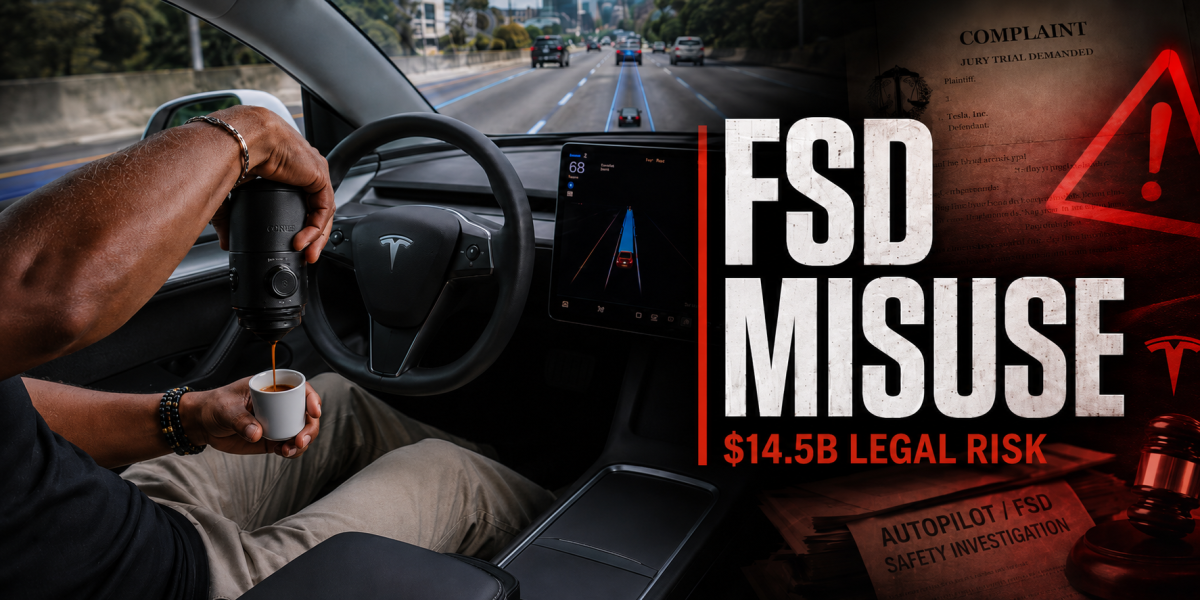
- Tesla faces up to $14.5 billion in combined lawsuit exposure across this suit, related litigation, thousands of Australian owner claims, a December 2025 California DMV ruling that 'Autopilot' and 'Full Self-Driving' are misleading, two DMV enforcement actions, and an active DOJ criminal probe into its self-driving claims.
Why it matters: Tesla's April admission that HW3 hardware 'does not have the capability' to achieve unsupervised FSD detonated its decade-long defense that every car already had what it needed. This suit deliberately targets arbitration opt-outs, meaning if it survives a motion to dismiss, it hands every other opt-out owner a template with Tesla's own earnings-call words as the centerpiece.
Ask SkimNews