Beijing Court Hears $583K Tesla FSD Fraud Suit — SkimNews
SkimNews Take
The legal challenge in China highlights a global tension between marketing advanced driver-assistance systems and the regulatory and functional realities of current autonomous driving technology.
Get the Finance newsletter
Daily finance — markets, central banks, M&A, the prints that move money. Free.
- Beijing Court held the first hearing of a consumer‑fraud lawsuit against Tesla’s Full Self‑Driving software, with 10 owners seeking over 3.95 million yuan in damages.
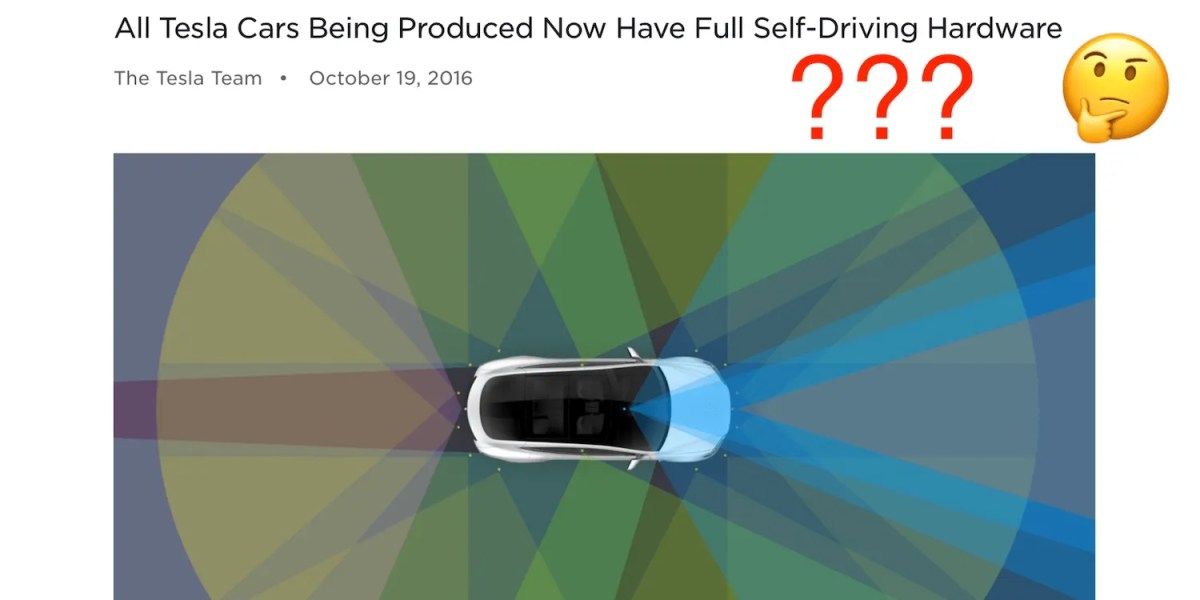
- Tesla sold its Full Self‑Driving package for 56,000 yuan per vehicle between 2019 and 2021, and buyers claim they were promised imminent full autonomous capability and a price increase.
- Tesla limited the FSD rollout in China to HW4.0‑equipped cars, leaving roughly one million older HW3.0 vehicles without the advertised autonomous features or regulatory approval.
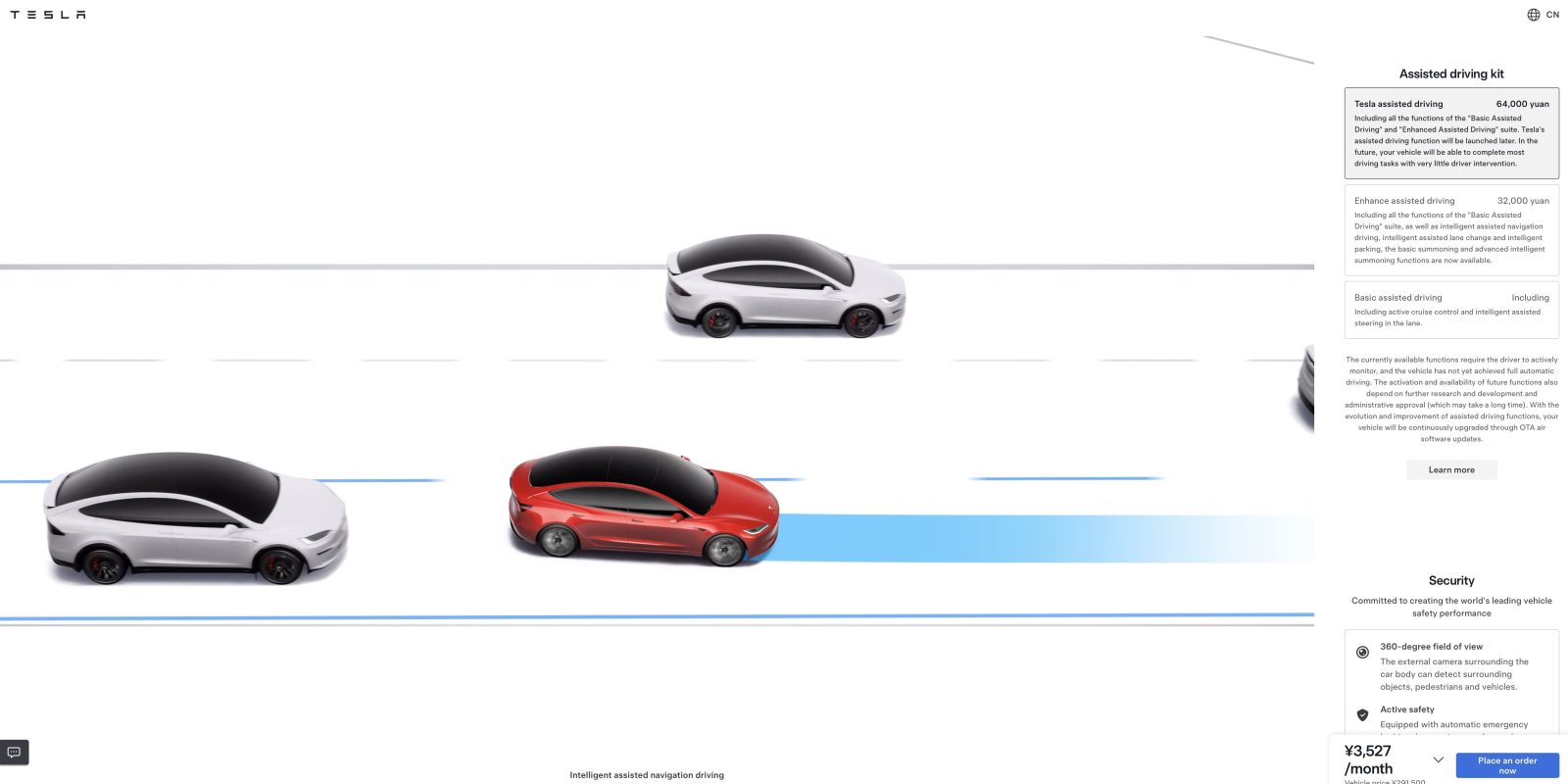
- Tesla rebranded the system as “Tesla Assisted Driving” in China and announced a supervised‑FSD version, a move plaintiffs argue admits the original “Full Self‑Driving” label was misleading.
- Tesla faces $14.5 billion in global self‑driving litigation, and the Chinese case involves claims for refunds and triple damages for owners of older‑hardware models.
Why it matters: Chinese buyers stand to gain refunds and triple damages, while Tesla risks a multi‑million‑yuan payout and a precedent that forces refunds for over a million HW3.0 vehicles, undermining its Chinese autonomy rollout.
Ask SkimNews