China Still Has What America Needs — SkimNews

Get the Geopolitics newsletter
Daily geopolitics — wars, elections, sanctions, the diplomatic moves that move markets. Free.
- China holds "escalation dominance" over the United States, controlling 80 to 90 percent of rare-earth production and remaining the upstream source for specialized magnets, lower-end semiconductors, and the components India relies on to produce generic drugs imported by the U.S.
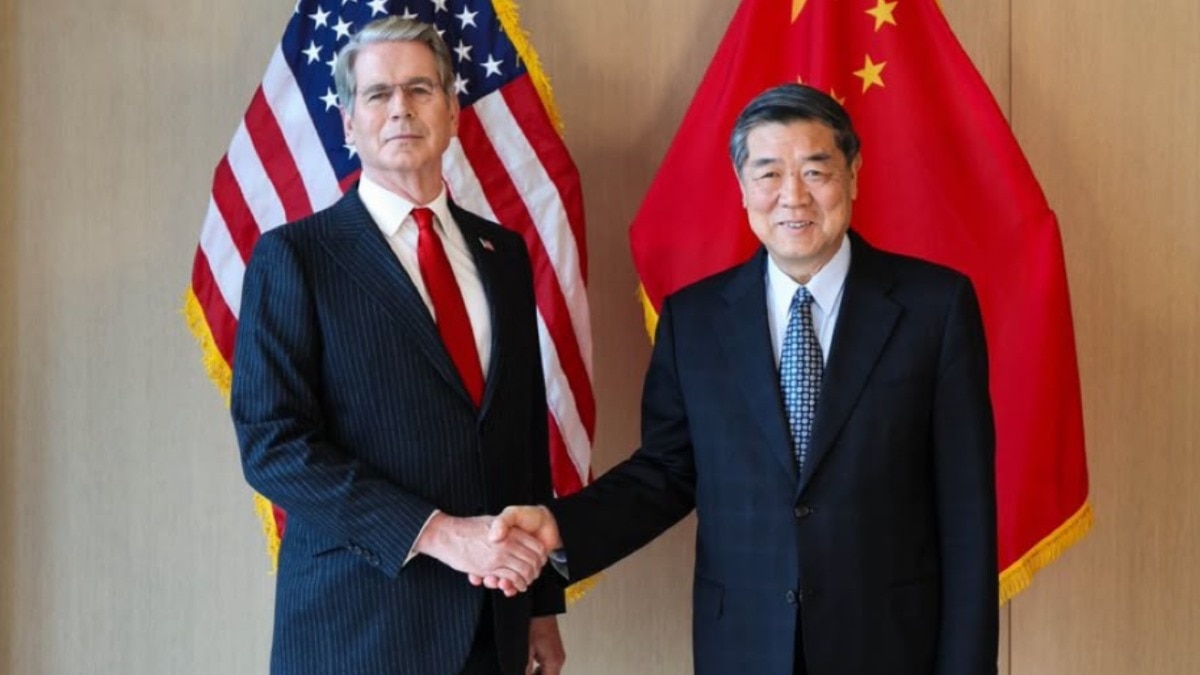
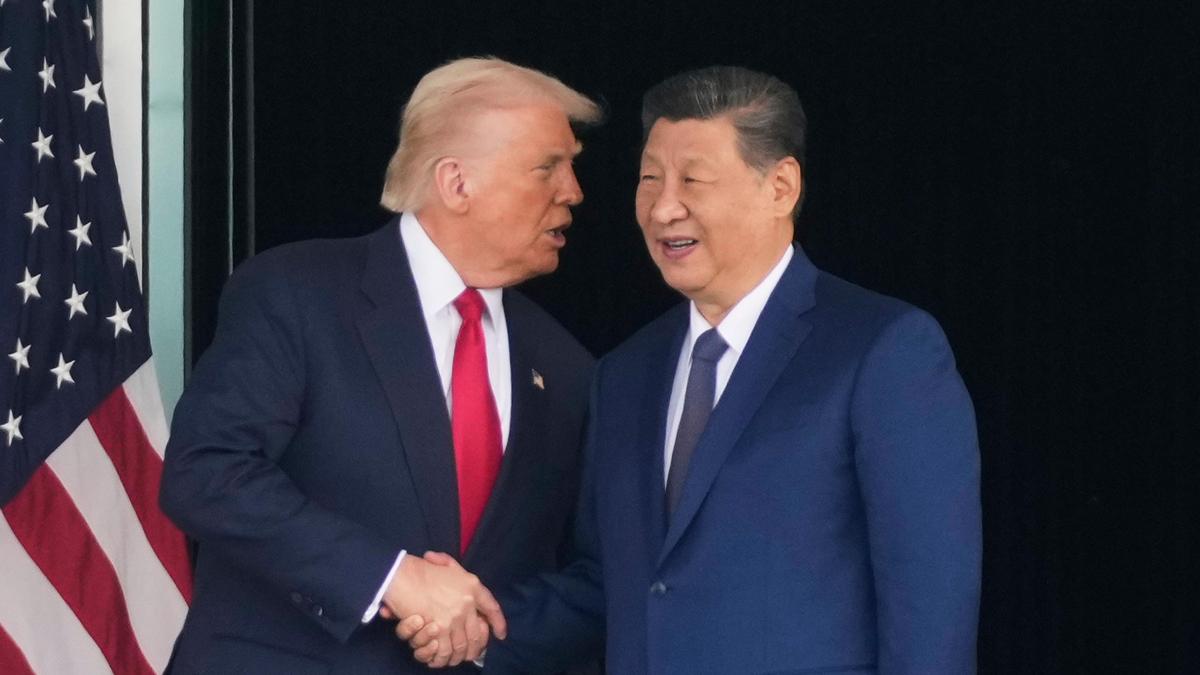
- Treasury Secretary Scott Bessent projected confidence going into the October 2025 Trump-Xi summit, arguing China holds "a losing hand" because the U.S. exports only one-fifth of what China exports to it — a framing the analysis calls folly given dependency on hard-to-replace inputs.
- The October 2025 Trump-Xi deal temporarily reduced tariffs in exchange for partial Chinese relaxation of critical-material export limits, and the agreement is set to expire in November, raising the stakes for the upcoming summit.
- Economists Mary Lovely and Christine Wan found that declining direct U.S. imports from China have merely pushed supply chains to become "more attenuated and less transparent" rather than actually decoupling, with the pharmaceutical example — Indian generics built on Chinese feedstocks — cited as proof.
- Historical precedents show rivals continued trading even on the cusp of war: the U.S. and Soviet Union signed repeated grain deals through the 1970s and 1980s, surviving even Jimmy Carter's 1980 embargo, while Japan imported as much as 40 percent of its war supplies from the United States as late as 1941.
- The analysis urges the Trump administration to negotiate multiyear, large-scale purchasing agreements for Chinese-dominated critical goods paired with U.S. government stockpiling, in exchange for letting China import more technologies where the United States still holds a lead.
Why it matters: The November expiration of the October 2025 Trump-Xi deal puts Washington on the clock to acknowledge that U.S. dependency on Chinese rare earths, magnets, semiconductors, and pharmaceutical feedstocks cannot be unwound quickly — meaning more tariff bluster risks another cycle of concessions on Beijing's terms rather than strategic decoupling.
Ask SkimNews