US Should Stockpile Chinese Rare Earths Before Xi Deal Expires — SkimNews

Get the Geopolitics newsletter
Daily geopolitics — wars, elections, sanctions, the diplomatic moves that move markets. Free.
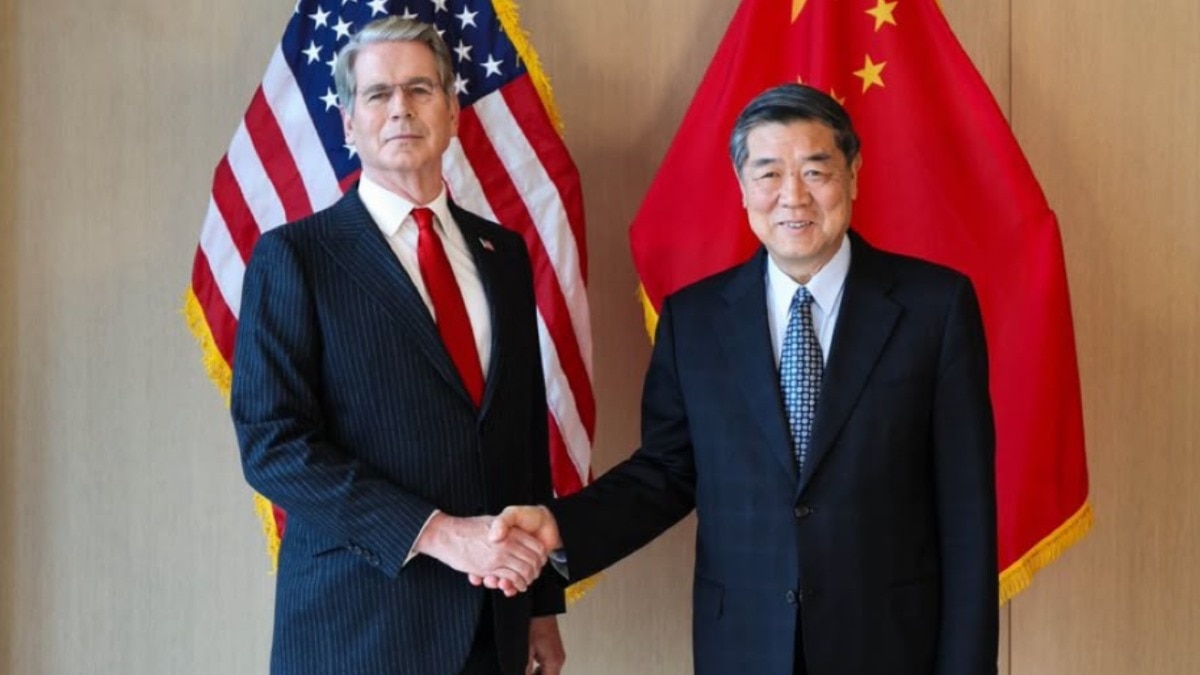
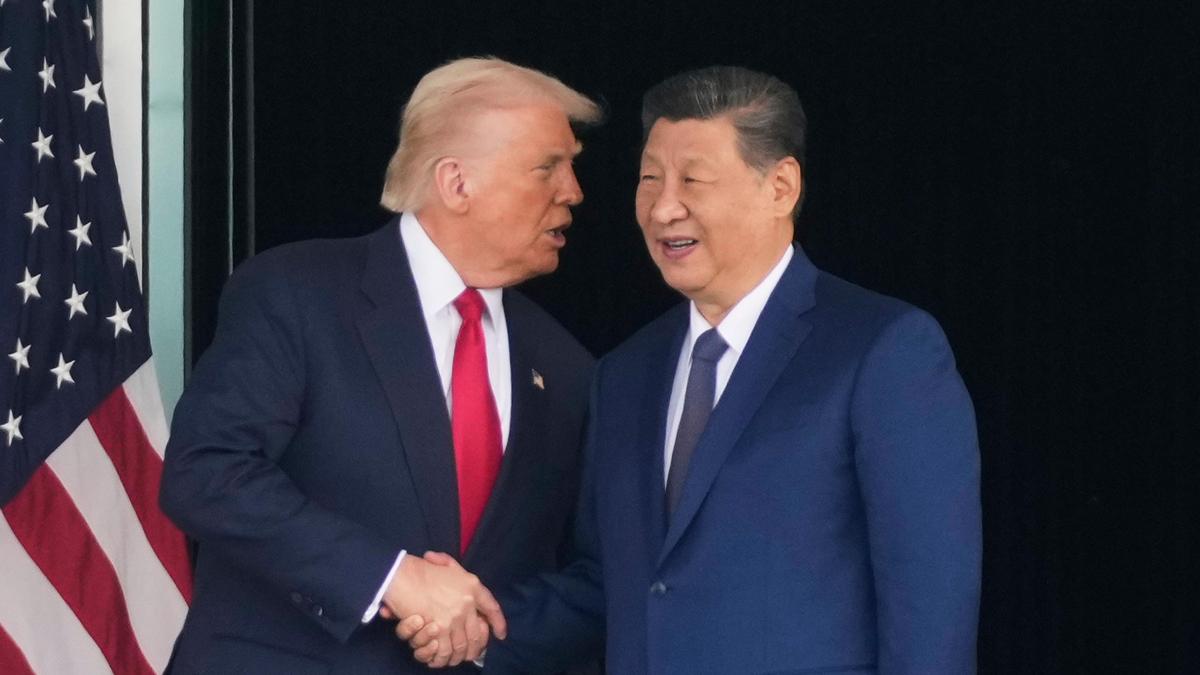
- Scott Bessent projected US leverage over China at the October 2025 Trump-Xi summit, citing the 5:1 export imbalance ('What do we lose by the Chinese raising tariffs on us?'), but the article argues China holds 'escalation dominance' by controlling 80-90% of rare earth production.
- The Trump administration struck a deal at the October 2025 Trump-Xi meeting to temporarily reduce tariffs in exchange for partial relaxation of Chinese export limits on critical materials, an agreement set to expire in November.
- The US government has failed over a decade under both Trump and Biden to meaningfully decouple sensitive industries from China, with economists Mary Lovely and Christine Wan finding supply chains became more attenuated and less transparent rather than truly separated.
- China remains the source of rare earths, specialized magnets, lower-end semiconductors, and pharmaceutical feedstocks that India relies on to produce generic drugs imported by the United States.
- The article recommends multiyear, large-scale purchasing agreements for critical goods sourced from China, with US government guarantees and purchases used to create strategic reserves until domestic or reliable allied alternatives emerge.
- Beijing has structured its rare-earth exports to discourage resale and accumulation to preserve leverage, even though the direct cash value of those sales is small.
Why it matters: The expiring November deal gives Washington a narrow window to negotiate multiyear purchasing agreements and build reserves of rare earths, magnets, and pharmaceutical feedstocks it cannot quickly replace. Treasury Secretary Bessent's October confidence in US leverage was undercut within weeks when China used rare-earth controls to extract concessions on tariffs, technology controls, and visa policies.
Ask SkimNews