US, Iran 'close' on Hormuz deal despite Trump's new demands — SkimNews
Get the Geopolitics newsletter
Daily geopolitics — wars, elections, sanctions, the diplomatic moves that move markets. Free.
- Khawaja Asif said the US and Iran are "close to some sort of arrangement" on the Strait of Hormuz, citing signals in the last two to three days during remarks in Islamabad on Tuesday.
- Iran-Oman talks reached an advanced stage with agreement on a shipping route map; Qatar confirmed parallel negotiations entered an advanced phase, and Pakistan's Interior Minister Mohsin Raza Naqvi arrived in Tehran for discussions.
- Iran is pushing for greater control over Hormuz shipping management, while the US has rejected any agreement that would let Tehran impose fees on vessels using the waterway.
- Iran's preconditions for fully reopening the strait include compensation, an end to sanctions, and an end to military threats against the country.
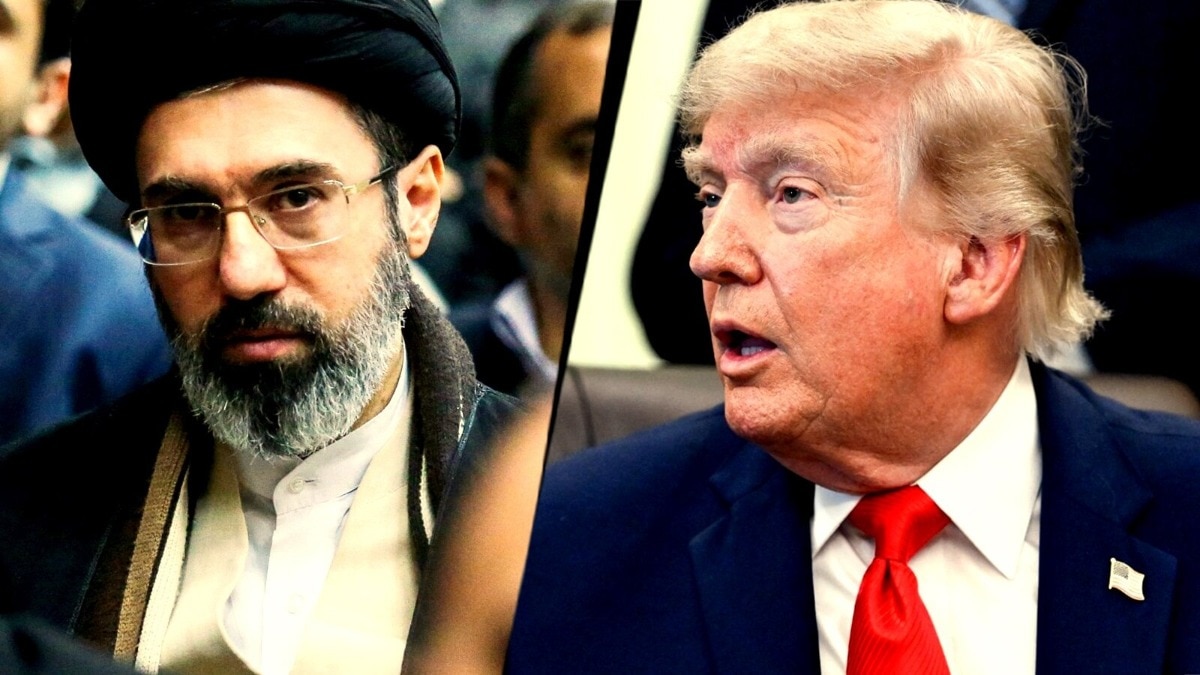
- Trump demanded Iran pay compensation for deaths and damage over a 50-year period — including 17 USS Cole sailors killed in 2000 and casualties in Lebanon, Syria, Yemen, and Gaza — demands not part of earlier talks.
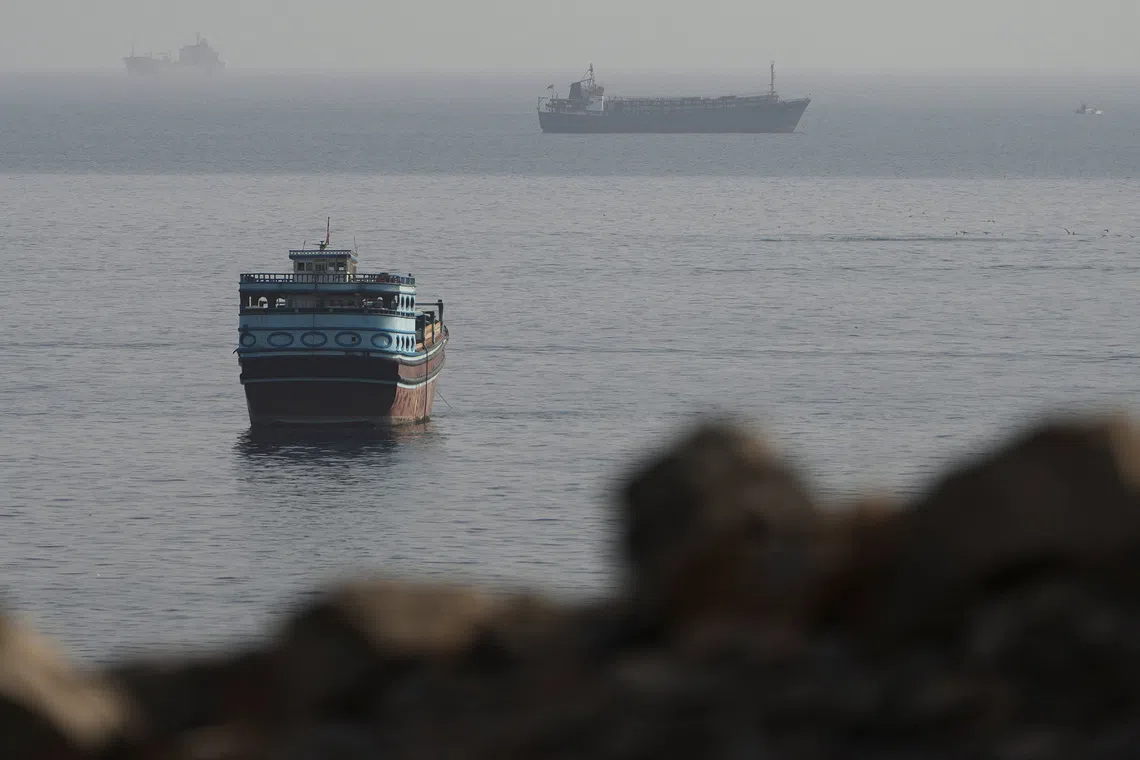
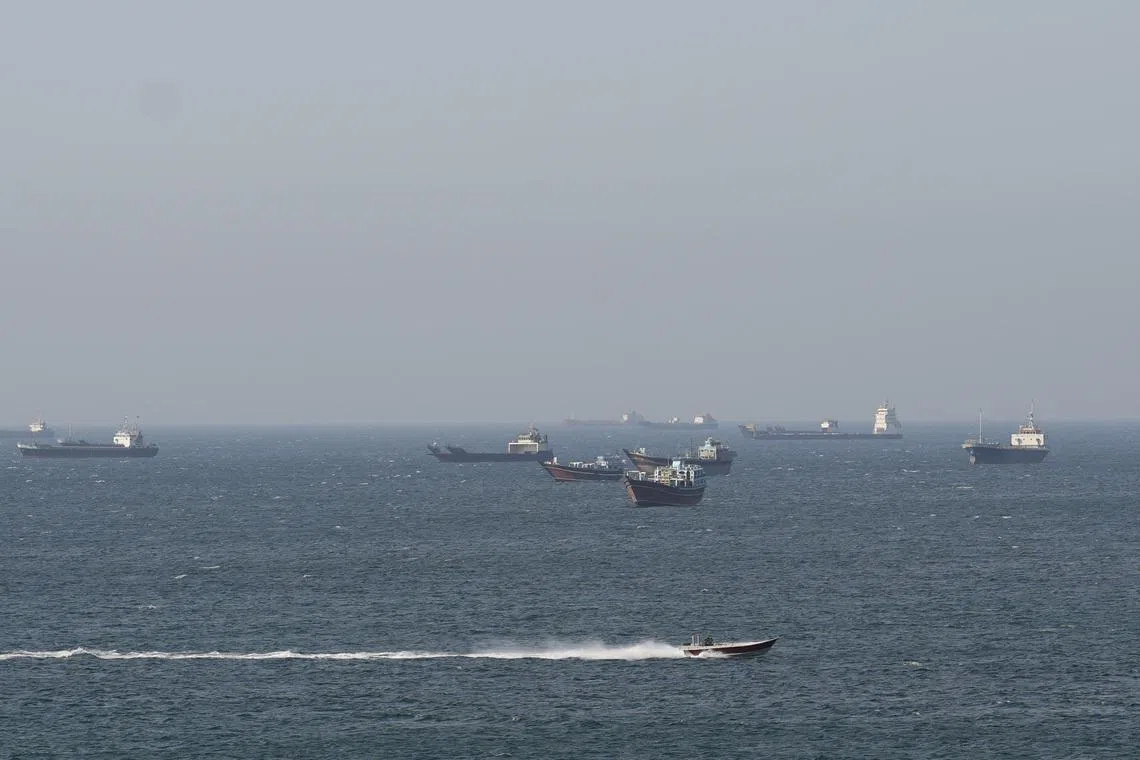
- The Hormuz disruption has choked off roughly one-fifth of global oil and LNG supplies, contributing to higher energy prices and inflationary pressures.
- Trump claimed the US Navy controls the strait even though two weeks of US strikes in July and a reimposed blockade failed to strip Iran of its leverage over the waterway.
Why it matters: A Pakistan-brokered signal of progress collides with Trump's new 50-year compensation demands, exposing a widening gap between backchannel diplomacy and Washington's public posture. Iran's military grip on Hormuz — a corridor carrying roughly one-fifth of global oil and LNG — has survived two weeks of US strikes and a July blockade, meaning any deal formalizing Tehran's management role would lock in a shift of control over a critical energy chokepoint.
Ask SkimNews