Study: Fetal TORCH infections triple autism risk — SkimNews
Get the Health newsletter
Daily health & science — research, biotech, public health, the studies worth knowing. Free.
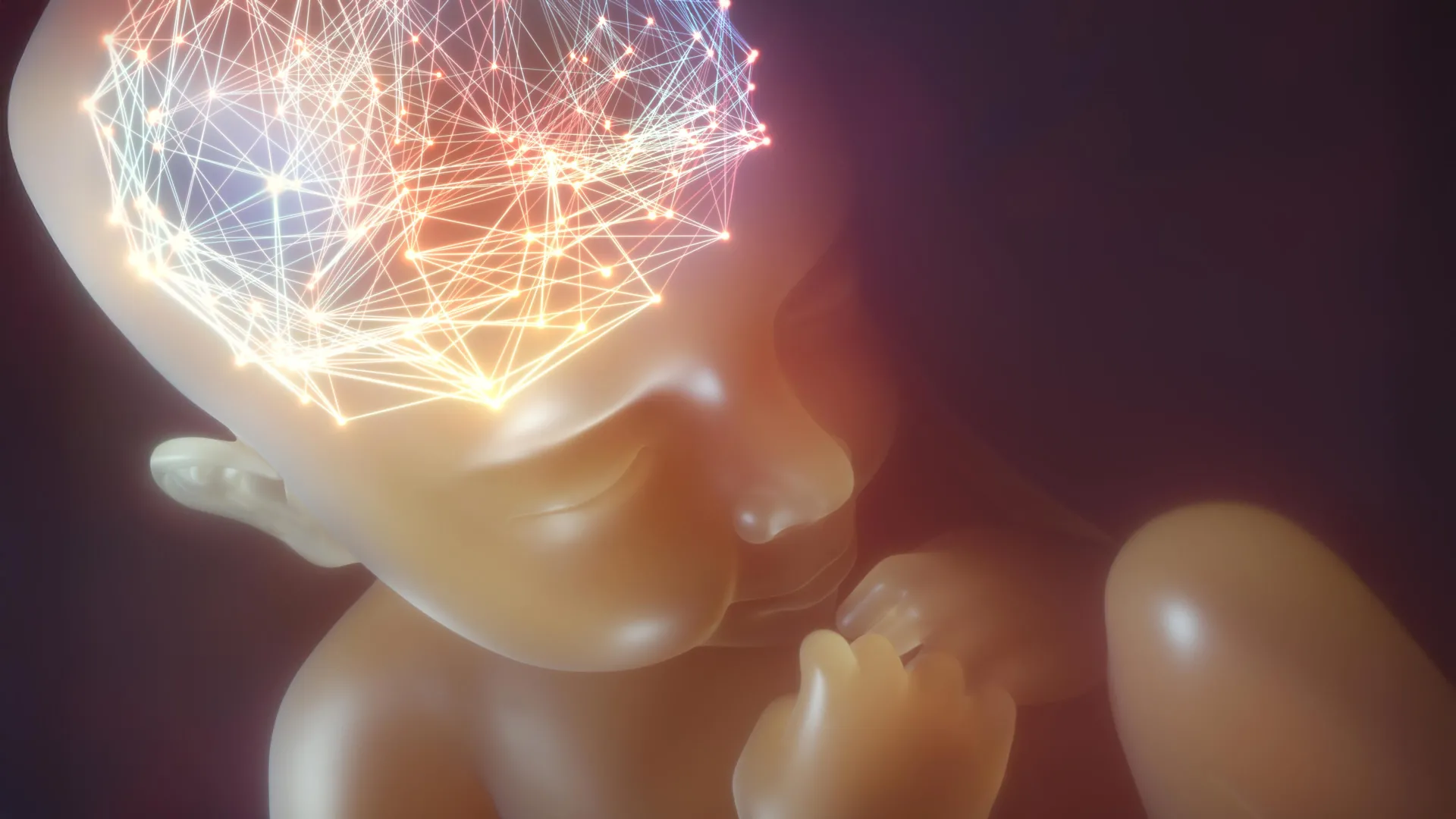
- Karolinska Institutet researchers tracked 3.7 million people born in Sweden between 1987 and 2021, identifying 975 with congenital TORCH infections who were about 3 times more likely to be later diagnosed with autism than those without infection.
- Children with congenital TORCH infections were more than 7 times more likely to receive an intellectual disability diagnosis, and up to 30 times more likely to have severe to profound intellectual disability.
- Lead author Hugo Sjöqvist, a PhD student, said roughly 1 in 5 children born with a TORCH infection may later develop autism — even though these infections account for only about 0.034% of autism cases and 1.2% of severe intellectual disability cases in Sweden.
- A sibling-comparison analysis showed the TORCH-autism and TORCH-ID associations persisted when comparing infected children to their own non-infected siblings, suggesting shared family factors alone don't explain the link.
- Co-author Reneé Gardner noted no clear links were found between TORCH infections and ADHD or OCD, but infected children without autism or intellectual disability diagnoses still received lower school grades on average.
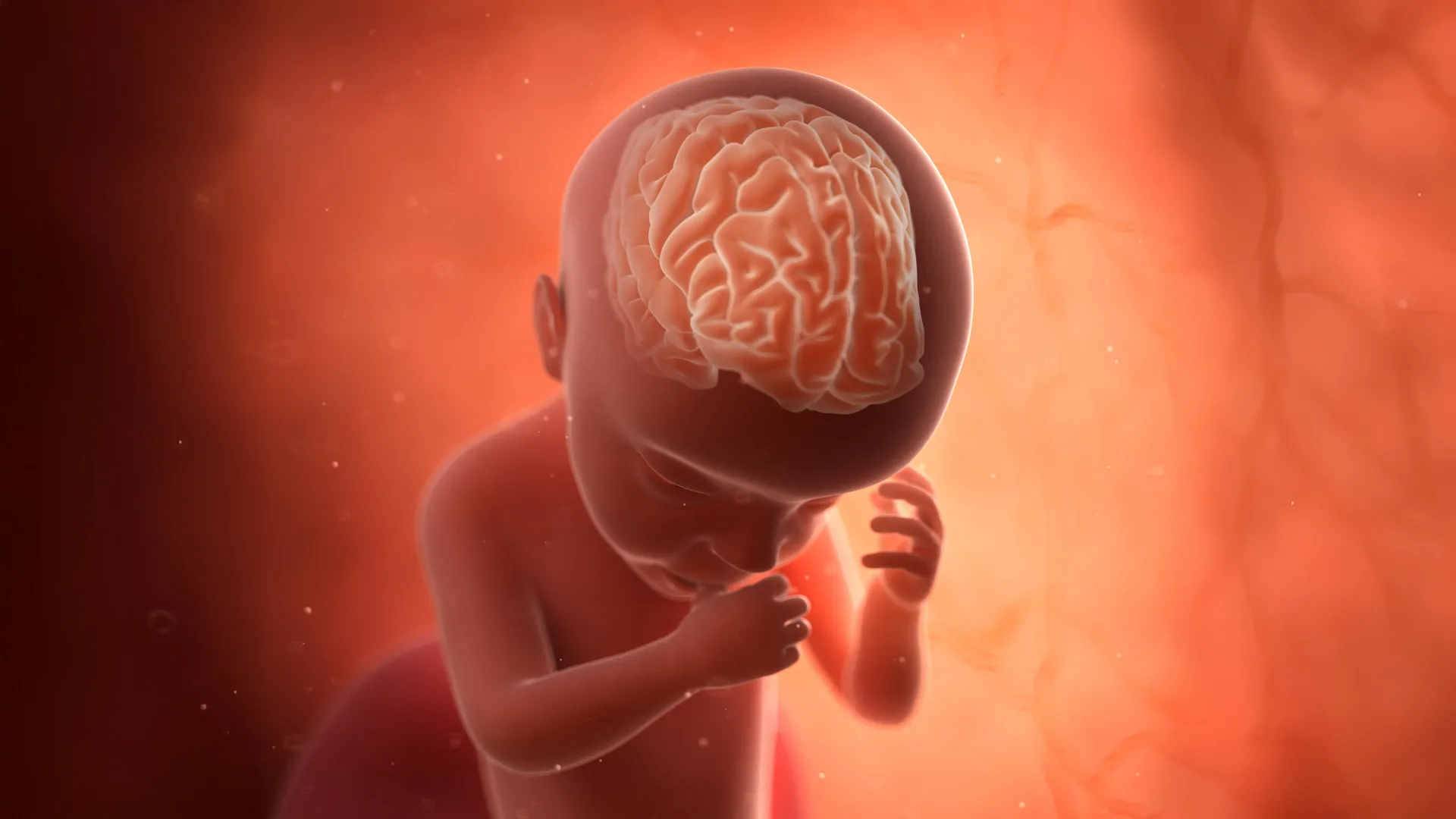
- The TORCH category includes cytomegalovirus, rubella, toxoplasma, and herpesvirus — pathogens that can cross the placenta; rubella has virtually disappeared in Sweden since national vaccination programs were introduced.
- The study, published in JAMA Pediatrics and funded by the Swedish Research Council, is described by the team as the largest investigation to date on these infections and later neurodevelopmental outcomes.
Why it matters: This adds autism to the long-suspected harms of congenital TORCH infections, strengthening the rationale for prenatal infection prevention — Sweden's rubella vaccination program has already nearly eliminated one such pathogen. For clinicians and expectant mothers, the data makes rare but severe neurodevelopmental outcomes easier to identify early, even though the infections account for just a fraction of a percent of all autism cases nationally.
Ask SkimNews