No little kids allowed, and other new info about Tesla’s Cybercab — SkimNews

Get the Tech newsletter
Daily tech — startups, AI labs, chips, the launches that shape the next decade. Free.
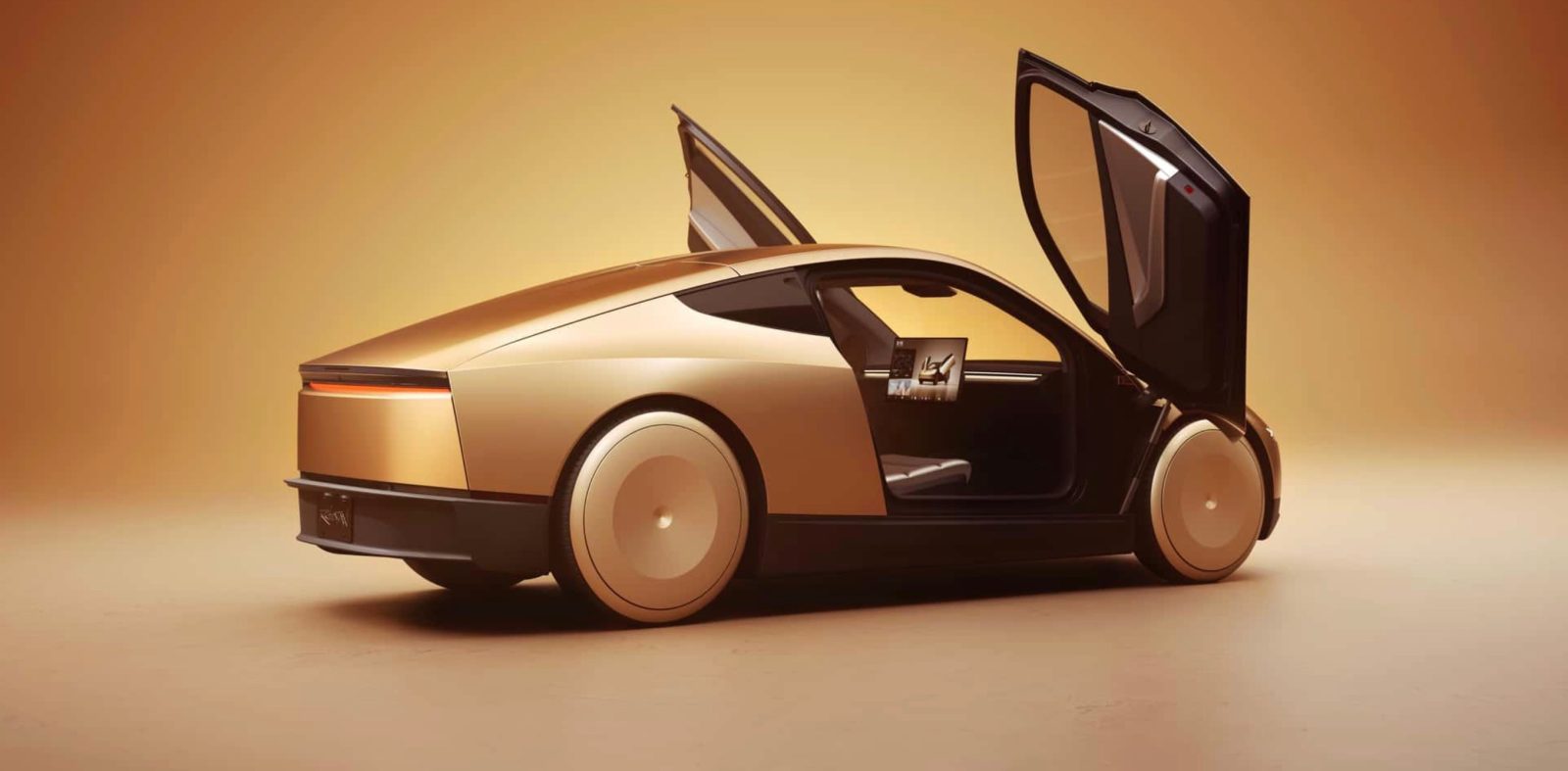
- Tesla held a private Cybercab launch — no livestream, Musk apparently did not speak, and the keynote lasted only ~15 minutes, with most details scattered across PDFs and updated "Robotaxi" app terms of service.
- Tesla bars minors under 13 from riding in the Cybercab; the vehicle lacks standard LATCH child-seat anchors and can only accommodate seats using the seat belt, an omission Musk's cost-cutting philosophy doesn't explain given his stated focus on boosting birthrates.
- NHTSA has already opened an investigation into Tesla's Cybercab rollout, per the source, and Tesla must still prove the vehicle's safety to regulators, local governments, and the public.
- In a crash, the Cybercab unlocks its doors, disables the high-voltage battery, applies brakes to a stop, vents the windows, and opens a two-way connection to Tesla rider support via the infotainment screen.
- Tesla recalled 3 million cars in China last month over electronic door latches that could trap occupants after a crash — a concern directly relevant to the Cybercab, which uses electronic-only door latches with auto-opening doors.
- The Cybercab uses a brake-by-wire system with no hydraulic plumbing, following Tesla's earlier steer-by-wire debut on the Cybertruck; Musk said the change "avoids the complexity of a hydraulic system."
- Per Tesla's documentation, Cybercab windows "cannot be fully opened at this time" with no explanation, while influencer Jeremy Judkins reported the USB-C outlets deliver 90W of power — roughly four times a typical car's output.
Why it matters: Tesla is stripping out conventional safety and convenience features — LATCH anchors, fully opening windows, hydraulic brakes — to hit a low price point for a vehicle that already faces an NHTSA investigation before carrying paying passengers. For families with young children and regulators scrutinizing crash safety, the omissions create immediate usability and compliance questions layered on top of last month's 3-million-car China door-latch recall.
Ask SkimNews