Malaysia Won't Return Rohingya If Lives at Risk — SkimNews
Get the Geopolitics newsletter
Daily geopolitics — wars, elections, sanctions, the diplomatic moves that move markets. Free.
- Communications Minister Fahmi Fadzil said Wednesday that Malaysia will not return the 5,000 Myanmar refugees if they would face persecution or threats to their lives, noting several matters will be studied with Myanmar before any implementation.
- Prime Minister Anwar Ibrahim identified the 5,000 as ethnic Rohingya refugees and said the repatriation plan follows rising tensions between Rohingya communities and local Malaysians.
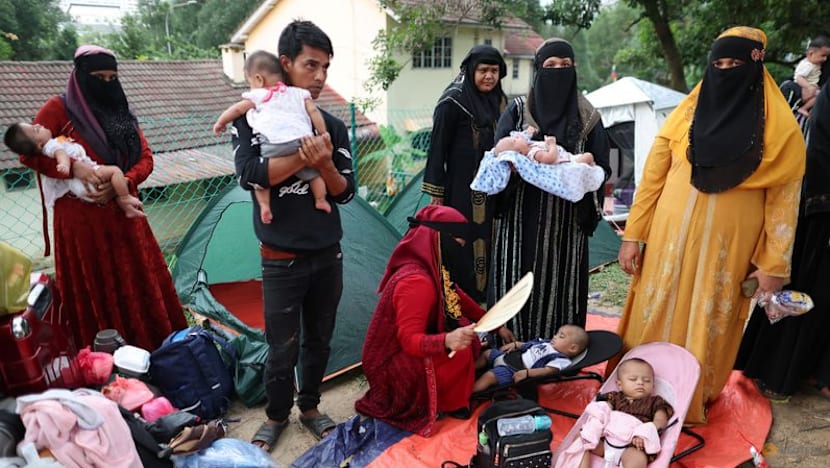
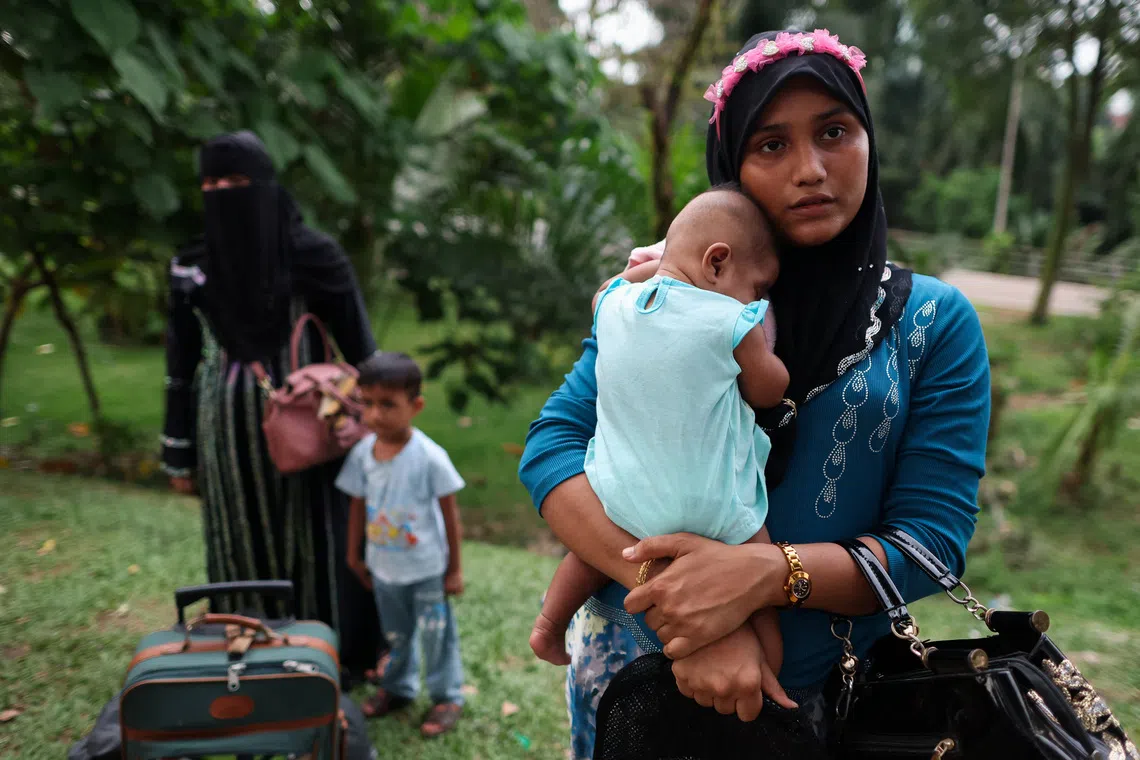
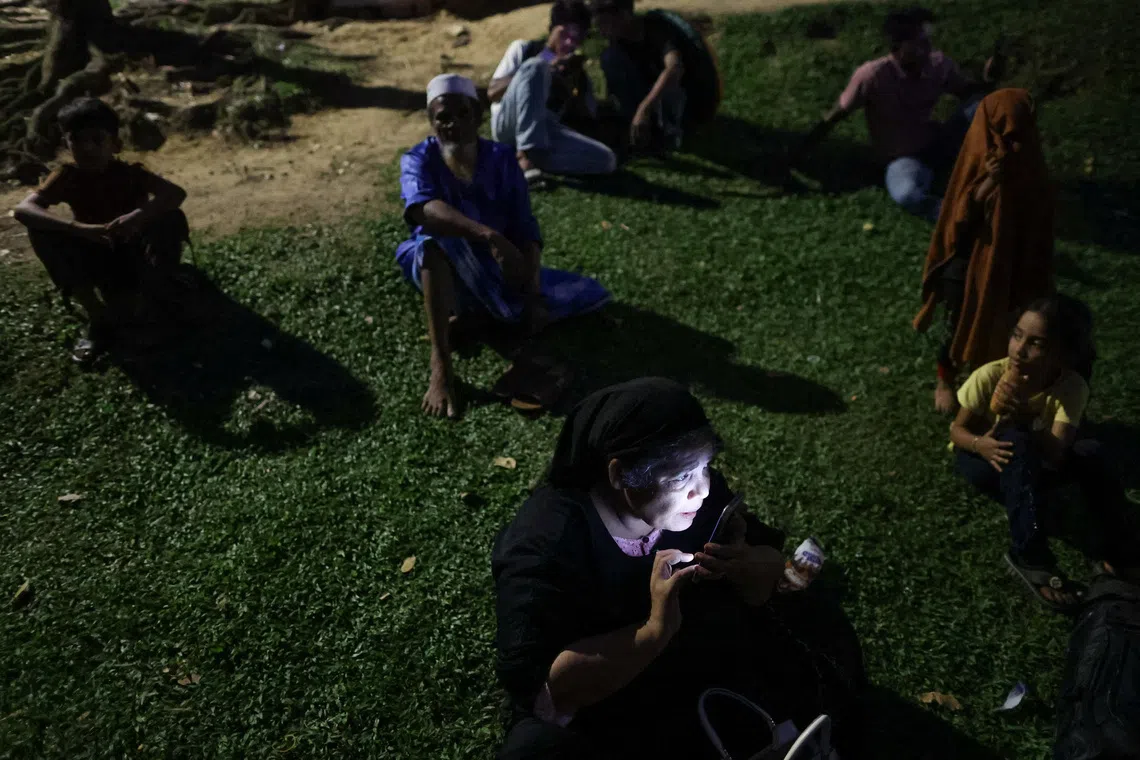
- Rohingya refugees in Malaysia faced school shutdowns, harassment, and threats during the unrest, with some evicted from homes in Penang and briefly detained by authorities after gathering outside the UNHCR office in Kuala Lumpur.
- Malaysia's foreign and home ministries are currently reviewing the plan and screening to identify which 5,000 refugees will be returned, according to Fahmi.
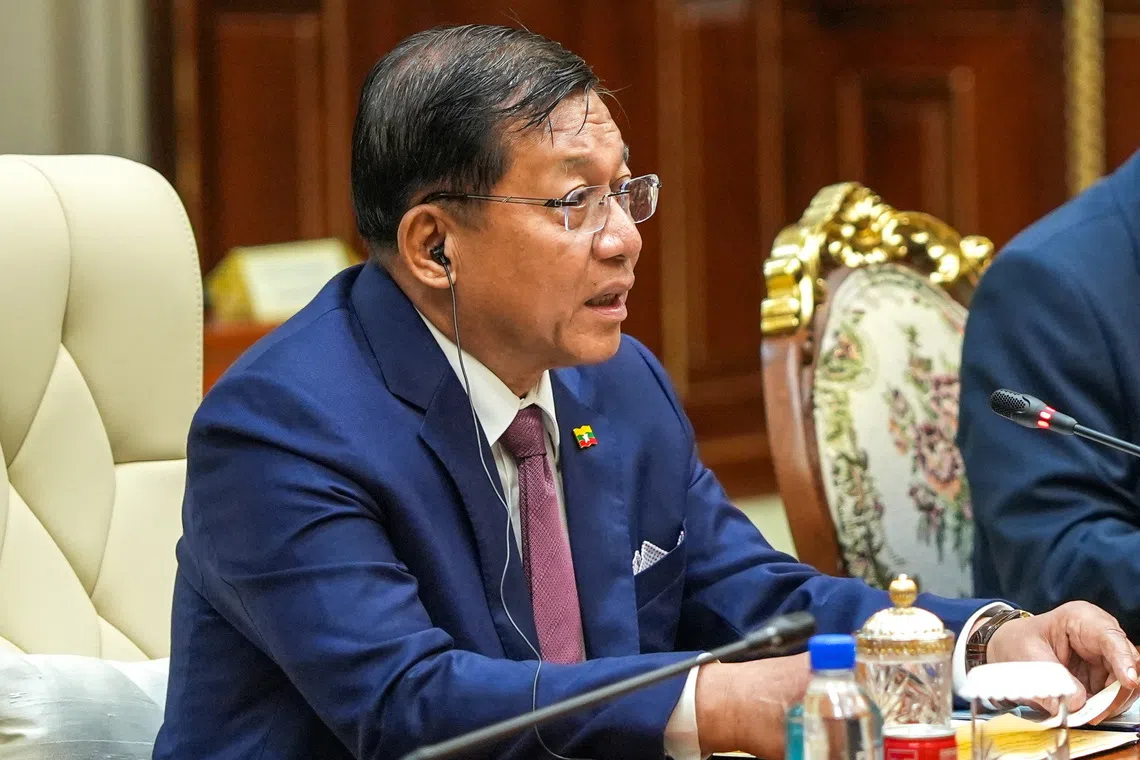
- Myanmar's junta government has indicated it is ready to receive the returnees, though Fahmi said Malaysia will study what criteria apply before proceeding.
- Human Rights Watch called on Malaysia to reverse the plan entirely, with deputy Asia director Bryony Lau urging the country to show regional leadership rather than forcibly return people targeted by junta brutality.
Why it matters: The conditional commitment lets Malaysia maintain a repatriation framework while claiming humanitarian guardrails, but the screening is still moving forward and the unrest that triggered the plan — school shutdowns, evictions in Penang, detentions outside UNHCR — shows anti-Rohingya sentiment drove the policy. With the junta ready to receive them, Malaysia's own safety assessment is the only barrier between 5,000 Rohingya and forced return.
Ask SkimNews