Malaysia Won't Send Rohingya Back If Lives at Risk — SkimNews
Get the Geopolitics newsletter
Daily geopolitics — wars, elections, sanctions, the diplomatic moves that move markets. Free.
- Communications Minister Fahmi Fadzil told reporters Wednesday that Malaysia "will not send them back if they would either be persecuted or their lives would be threatened," adding the foreign ministry is still examining criteria before any repatriation proceeds.
- PM Anwar Ibrahim announced last week that Myanmar had agreed to take back 5,000 members of the persecuted Rohingya minority — a rare repatriation push that rights groups have flagged as dangerous.
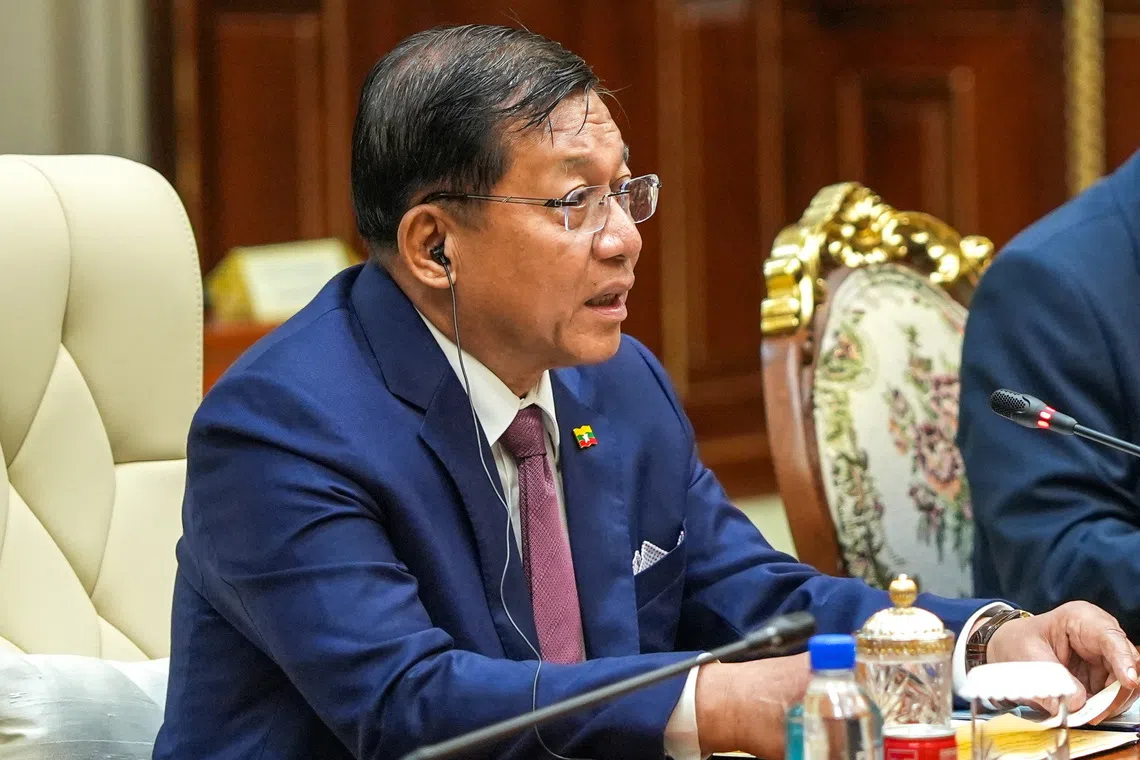
- Fahmi said Myanmar's junta government is "ready to receive them," but declined to confirm ethnicity and stopped short of setting a timeline, while Myanmar authorities have issued no public comment on the plan.
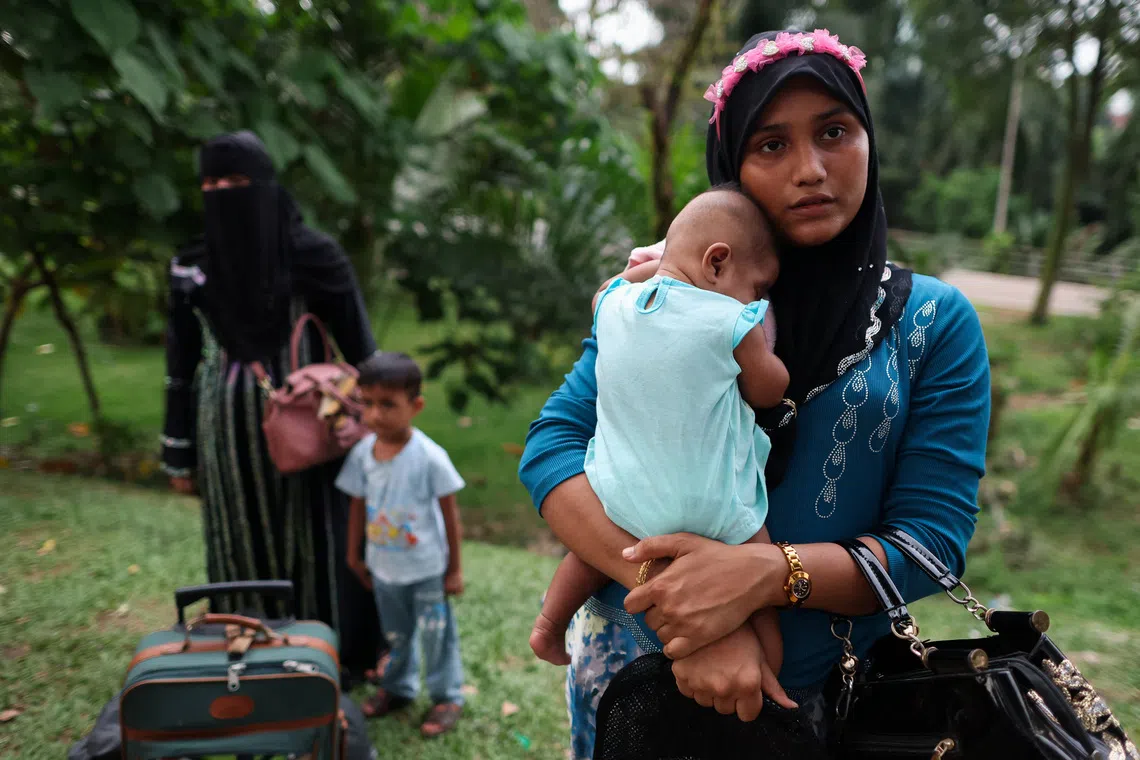
- Malaysia hosts more than 215,000 refugees and asylum seekers registered with the UN refugee agency, including over 126,000 Rohingya — the country's largest refugee community.
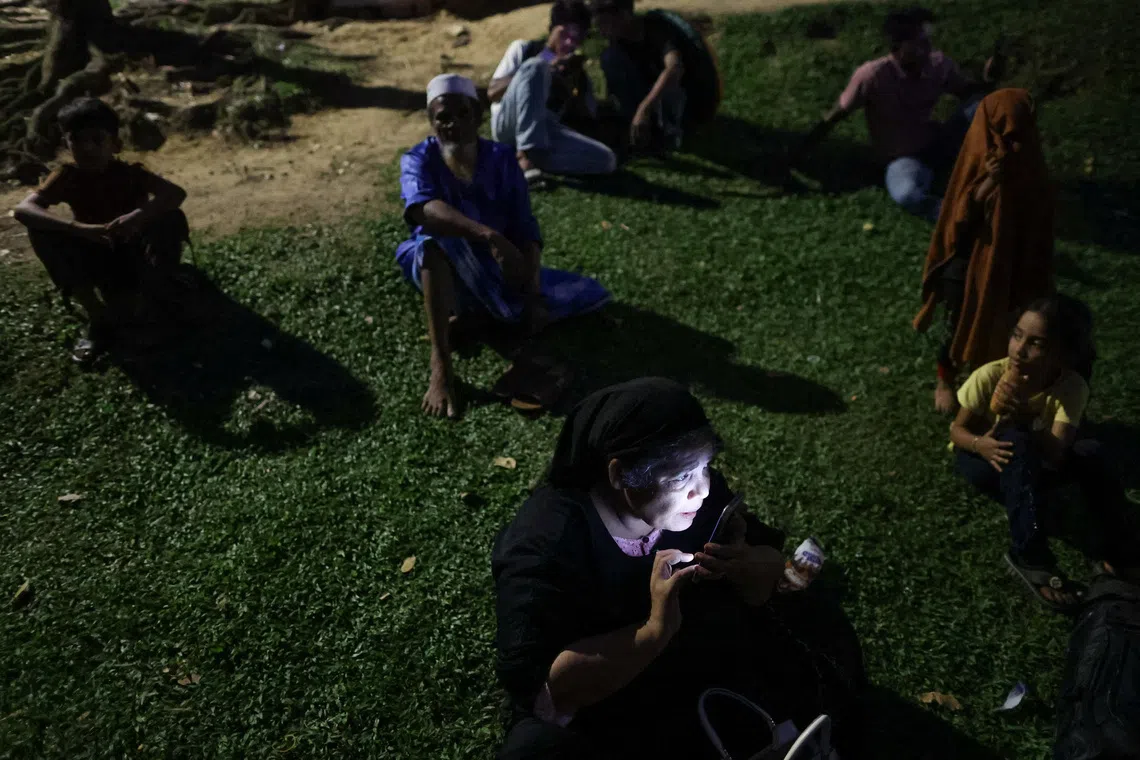
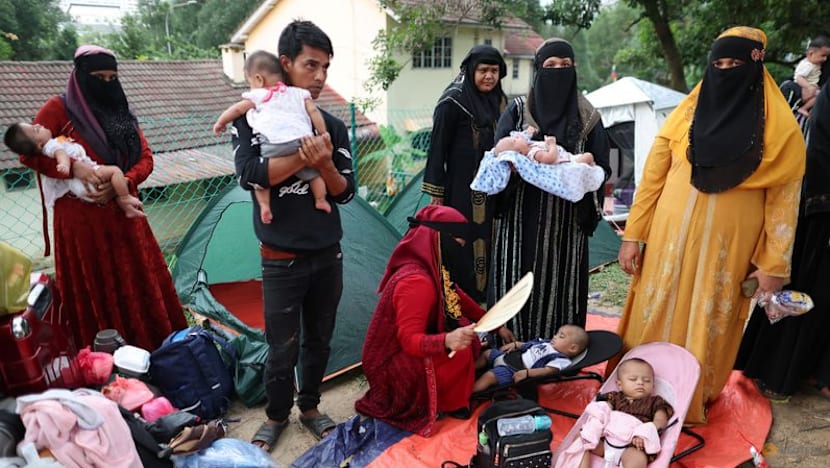
- Authorities last week detained more than 100 Rohingya gathered outside the UNHCR office in Kuala Lumpur after they were threatened with eviction from an informal settlement in northern Penang; the group was released once officials confirmed valid UN documentation.
- Home Minister Saifuddin Nasution Ismail told state news agency Bernama that 4,000 refugees identified across 19 immigration depots will be consolidated into a single facility to facilitate screening ahead of repatriation.
- Malaysia is not a signatory to the 1951 Refugee Convention and does not formally recognize refugee status, leaving repatriation decisions outside a binding international legal framework.
Why it matters: Malaysia's conditional language gives the government room to proceed with repatriation while appearing humanitarian — but the 5,000 figure represents roughly 4% of Malaysia's 126,000+ Rohingya, and with Myanmar's junta unaccountable and the 1951 Refugee Convention unsigned, the "if lives are at risk" caveat is doing all the protective work.
Ask SkimNews