Malaysia: No Rohingya Deportation Without Safety Guarantee — SkimNews

Get the Geopolitics newsletter
Daily geopolitics — wars, elections, sanctions, the diplomatic moves that move markets. Free.
- Communications Minister Fahmi Fadzil told reporters that Malaysia 'will not return the 5,000 Myanmar refugees if they would either be persecuted or their lives would be threatened,' and said the Foreign Ministry is reviewing 'several matters' with Myanmar's authorities.
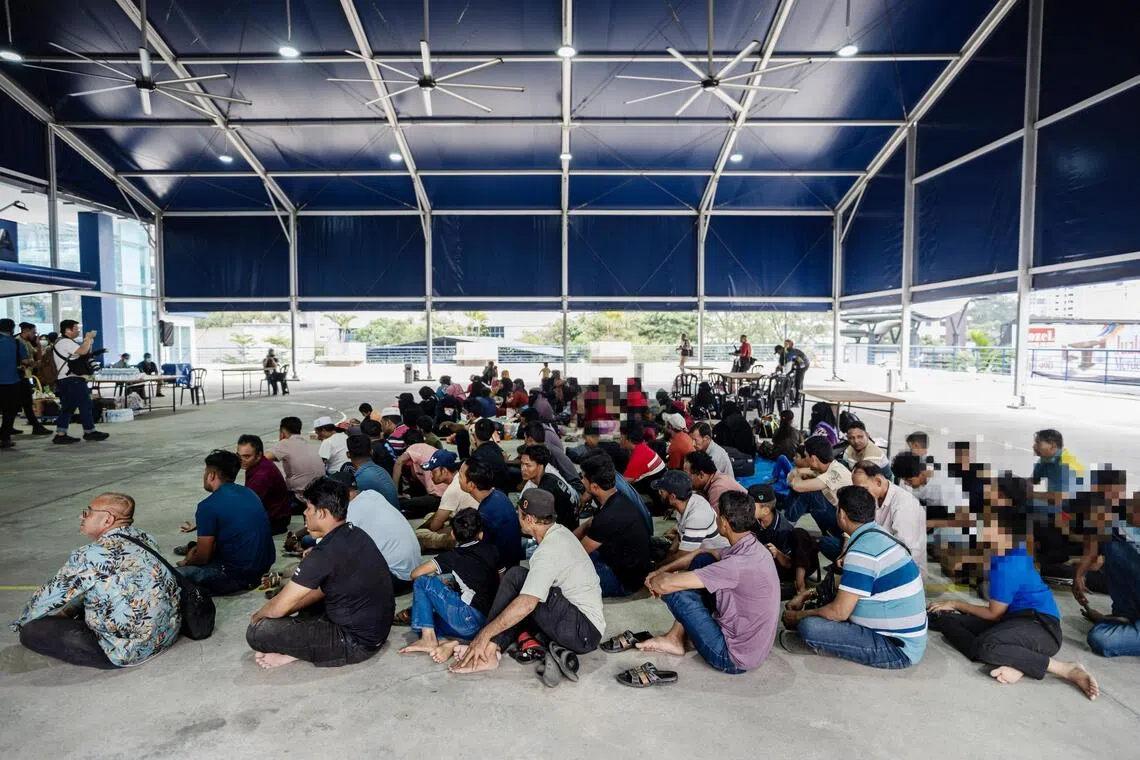
- Prime Minister Anwar Ibrahim confirmed on July 30 that Myanmar had agreed to take 5,000 Rohingya from Malaysia, calling it a product of 'good relations,' and Deputy Foreign Minister Lukanisman Awang Sauni had earlier announced the repatriation plan from immigration detention depots.
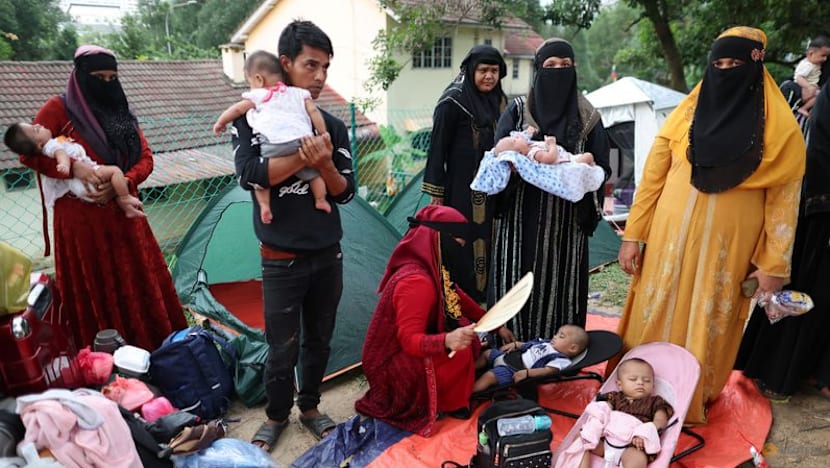
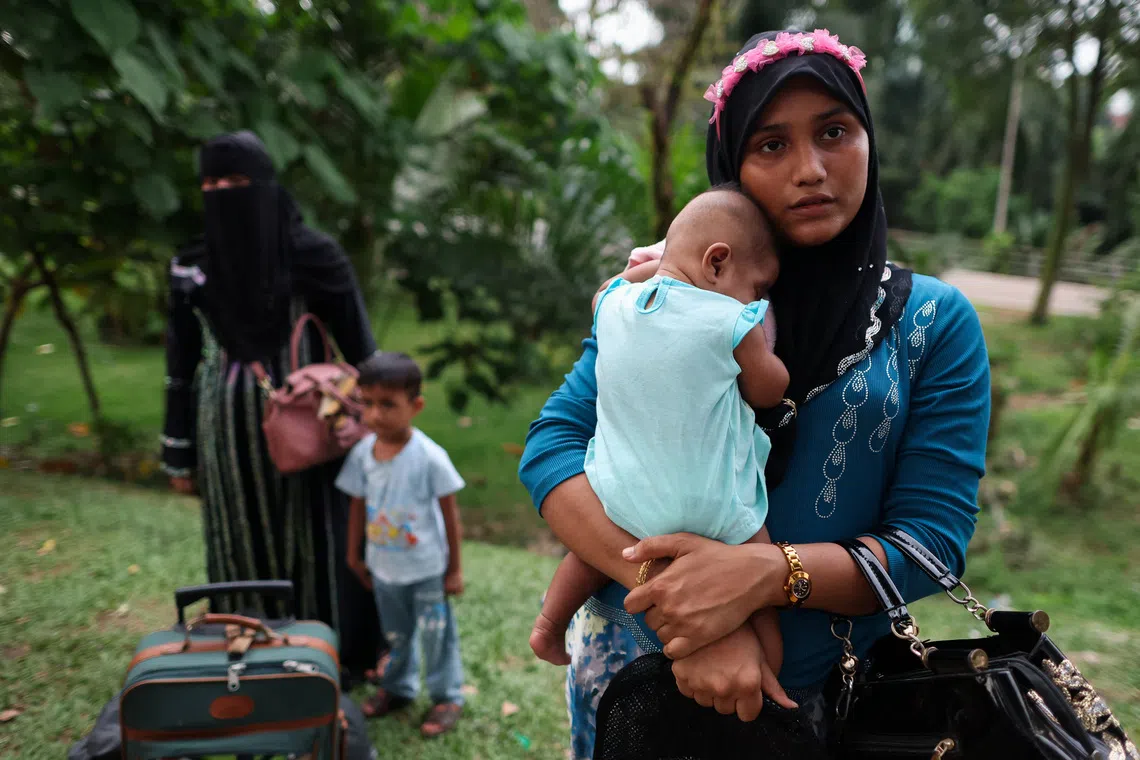
- Public hostility toward Rohingya has intensified in recent months, with public figures labeling them 'criminals,' 'intruders,' and a 'cancer'; refugee schools have been forced to close under harassment, and more than 100 refugees were detained after gathering outside the UNHCR office in Kuala Lumpur seeking help.
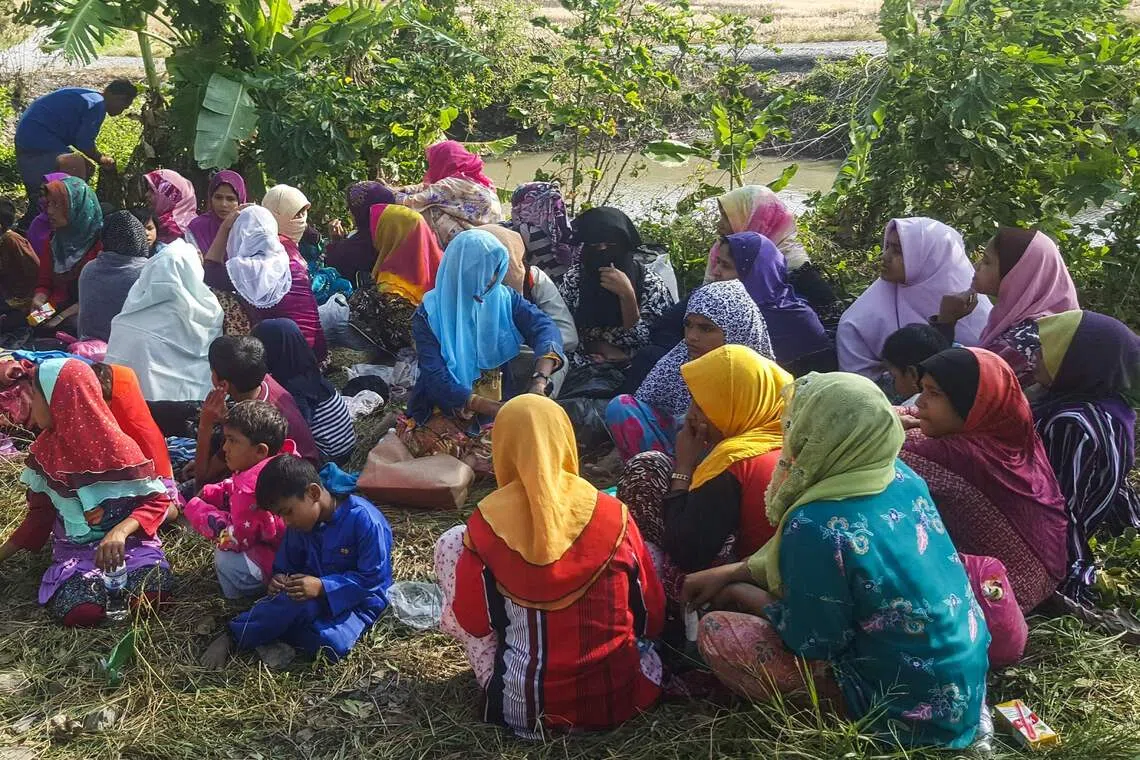
- Malaysia's asylum framework does not formally recognize Rohingya as refugees; the country ordered UNHCR to temporarily stop registering new arrivals last month, and roughly 126,000 Rohingya are currently registered with UNHCR in Kuala Lumpur — about half the agency's Malaysia caseload.
- Myanmar's conditions for return remain unsafe, per rights groups: the military-backed government still classifies Rohingya as illegal Bengali immigrants, while the Arakan Army, which has also attacked Rohingya communities, now controls most of Rakhine State.
- Human Rights Watch called on Malaysia to suspend the repatriation this week, with HRW's Bryony Lau declaring that 'conditions for safe, dignified, and voluntary return to Myanmar do not currently exist' and urging Malaysia to show 'regional leadership' rather than forcibly return Rohingya to junta-controlled territory.
Why it matters: Malaysia has created a diplomatic knot: Myanmar has already agreed to accept the 5,000, but Malaysia now says it won't send them if their lives are threatened — leaving the plan in limbo without a clear off-ramp. At the same time, Malaysia's separate order halting UNHCR refugee registrations signals a broader hardening toward its roughly 126,000-strong Rohingya population even as ministers cast the country as a 'responsible' actor.
Ask SkimNews