Iran-GCC Hormuz Talks in Oman; Bahrain Refuses — SkimNews

Get the Geopolitics newsletter
Daily geopolitics — wars, elections, sanctions, the diplomatic moves that move markets. Free.
- Iran's Foreign Ministry announced a Monday meeting in Oman with Iraq and Gulf states on the Strait of Hormuz blockade, with spokesman Esmaeil Baghaei framing it as promoting "shared regional security" without foreign intervention despite Gulf nations hosting US military bases used to attack Iran.
- Bahrain refused to attend, with its Foreign Ministry saying security "cannot be preserved through a policy of appeasement" and insisting it will not join any meeting with Iran before diplomatic ties resume — ties Manama cut in 2016 alongside Saudi Arabia, which restored them in 2023.
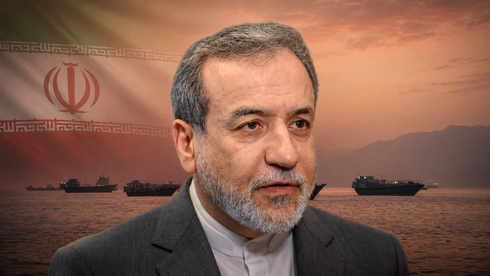
- Iranian Foreign Minister Abbas Araghchi warned the summit will brief delegations on Iran's agreement with Oman on safe-passage routes but said the strait will not reopen until the US honors commitments from a June 60-day MoU that collapsed in July when Washington pushed for an alternative route near Omani territory.
- Daily shipping traffic through the strait has dropped roughly 95% since the US-Israel war on Iran began in February, falling from a pre-war average of 130–140 ships per day to about 5–7 vessels daily, disrupting global energy supplies.
- Two attacks on Sunday underscored the danger: the UKMTO reported a vessel struck by an unknown projectile, while an Iranian commercial vessel near Qeshm Island was hit, killing at least one person and wounding four, according to Iranian state broadcaster IRIB.
- Trump has claimed total US control of the waterway, but an IRGC Navy deputy political commander directly challenged him: "If the Strait of Hormuz is under American control, then go ahead – bring one of your warships within 100km," warning any approach would draw a response.
Why it matters: Iran is trying to consolidate regional control over a waterway carrying a fifth of global oil and gas, but with shipping already down 95% and Bahrain — its most-attacked neighbor — boycotting the summit, Tehran's diplomatic bridge-building remains unconvincing. The June MoU's collapse means the US-Iran Hormuz standoff has no visible off-ramp, leaving the strait effectively closed until Washington concedes on sanctions or naval blockades.
Ask SkimNews