Fuyao's Solar Car Roof Glass Powers Accessories, Not Engines — SkimNews
Get the Energy newsletter
Daily energy & climate — solar, EVs, oil, the policy fights and tech bets shaping the transition. Free.
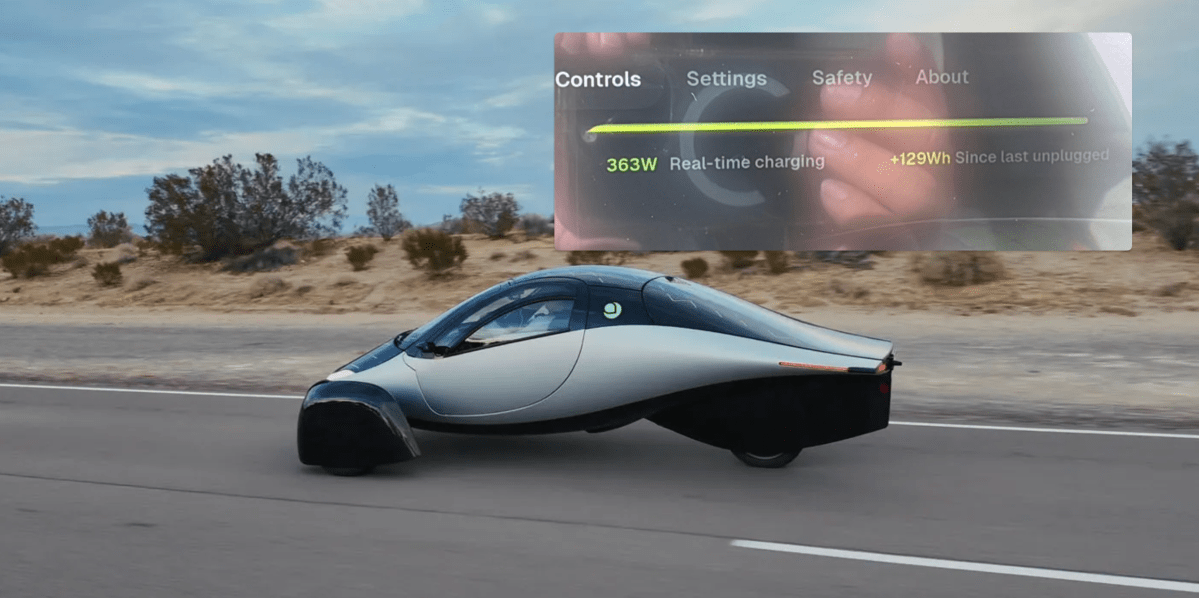
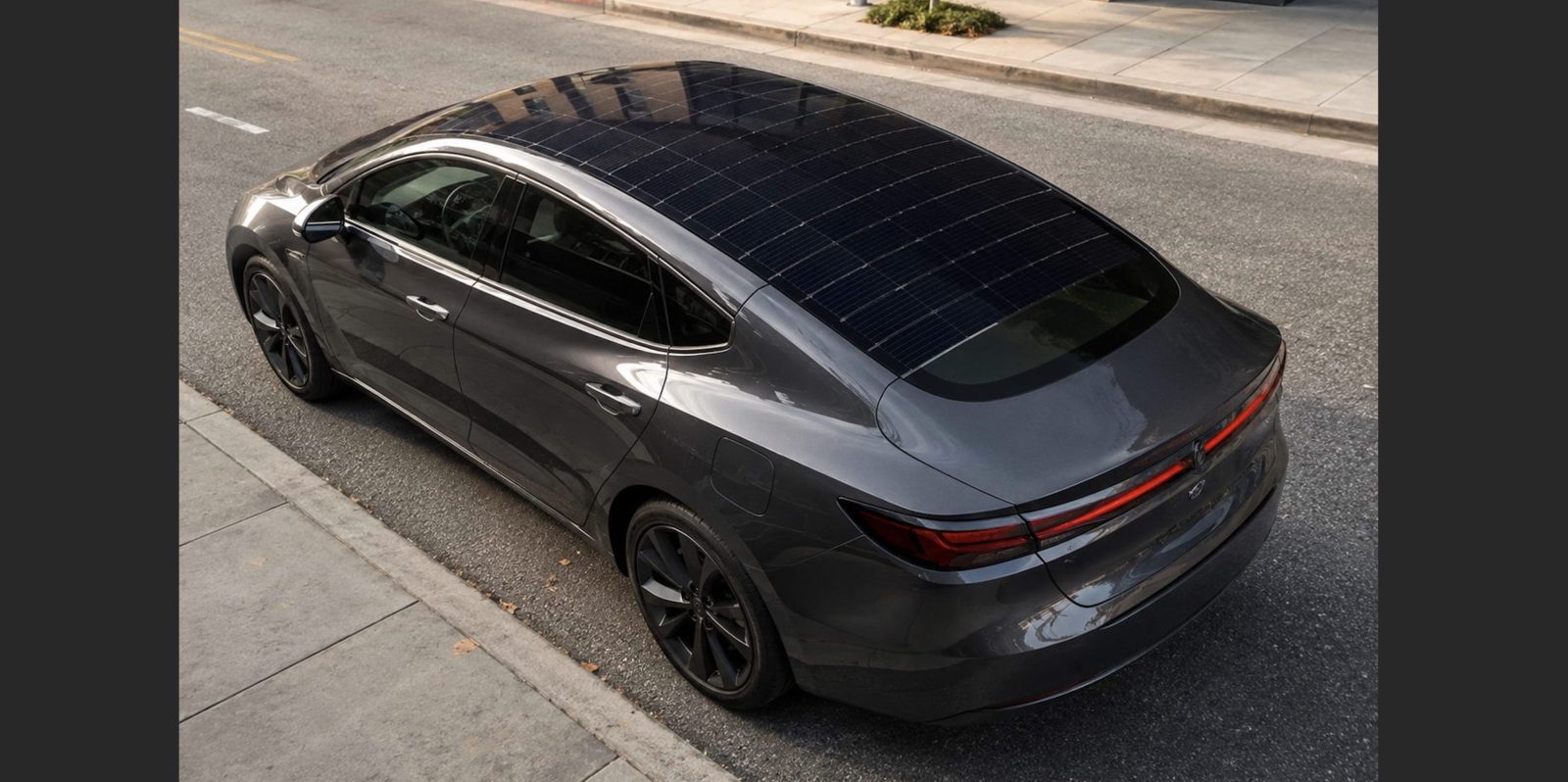
- Fuyao Glass, one of the world's largest automotive glass suppliers, listed a new solar glass product for car roofs that generates roughly 150W per square meter — compared to ~200W/sq meter for standard opaque panels and 400–500W for Aptera's purpose-built solar car.
- The translucent design sacrifices some light capture, with Fuyao's own demo videos showing solar cell patterns and tree foliage visible through the glass from inside the cabin.
- Fuyao does not market the glass as motor propulsion — even a full sunroof's output falls hundreds of times short of what an EV needs to accelerate, and the company's demonstration vehicle is a gas-powered BMW, not an EV.
- Practical applications include powering accessory loads like internet connectivity, air conditioning, and dashcam-style recording (compared to Tesla's power-hungry Sentry Mode), offsetting vampire drain on parked EVs.
- Unconfirmed reports indicate BYD may offer the glass as an option on its EVs for 8,000 Yuan ($1,192), with full-roof coverage delivering 720W at peak — enough for single-digit-mile commutes in ideal sun.
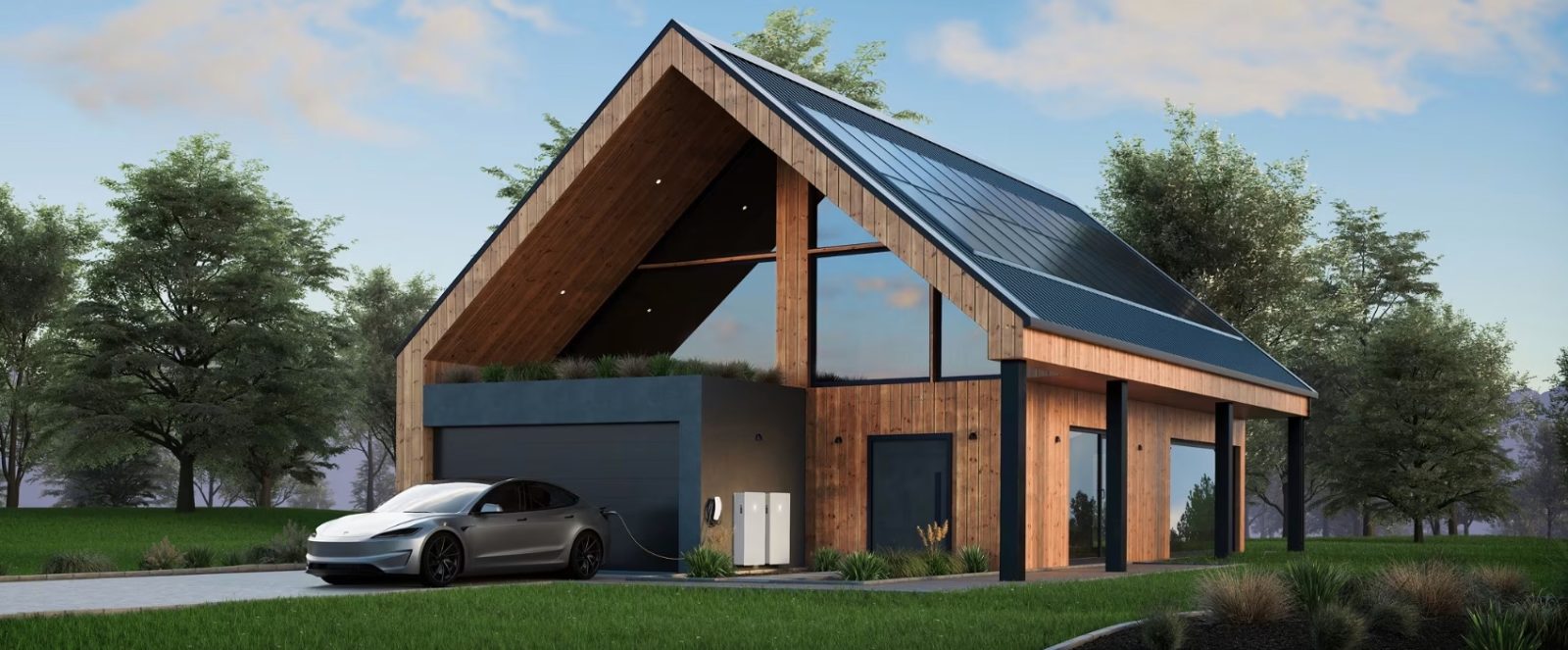
- Fuyao is also pursuing building-integrated solar glass, a market where predictable sun exposure and large fixed windows suit the technology better than vehicle roofs.
Why it matters: At a reported ~8,000 Yuan ($1,192) option price, translucent solar roof glass could become a near-term accessory that meaningfully reduces parked drain on EVs and adds mild range to short commutes — but the physics cap it at a few miles of supplemental driving, not true solar mobility. Automakers chasing the 'solar car' marketing hook may end up selling a trickle charger, not a transportation revolution.
Ask SkimNews