Duke Energy to stay course on data center-fueled growth plan after ‘historic’ election — SkimNews
Get the Geopolitics newsletter
Daily geopolitics — wars, elections, sanctions, the diplomatic moves that move markets. Free.
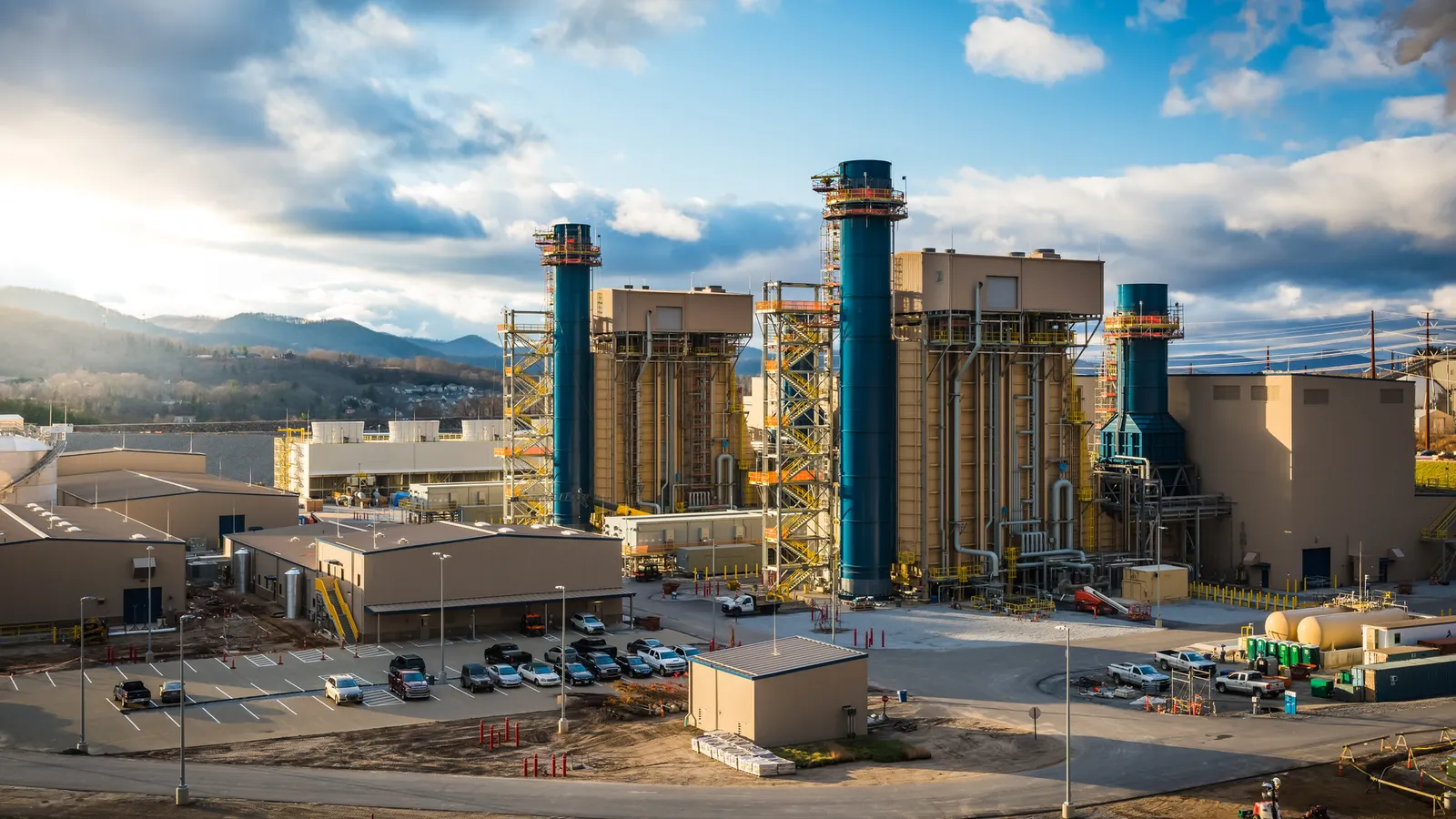
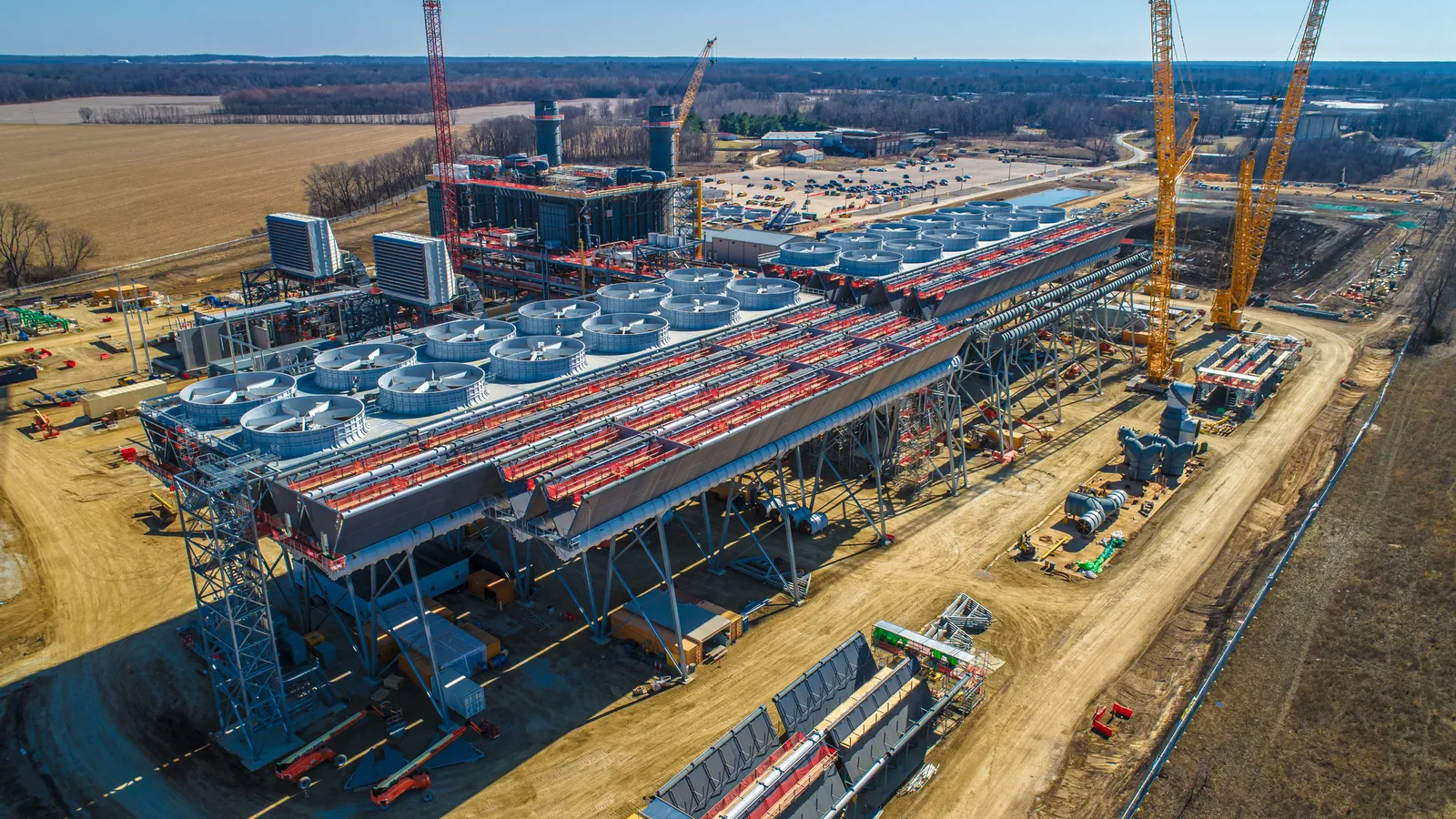
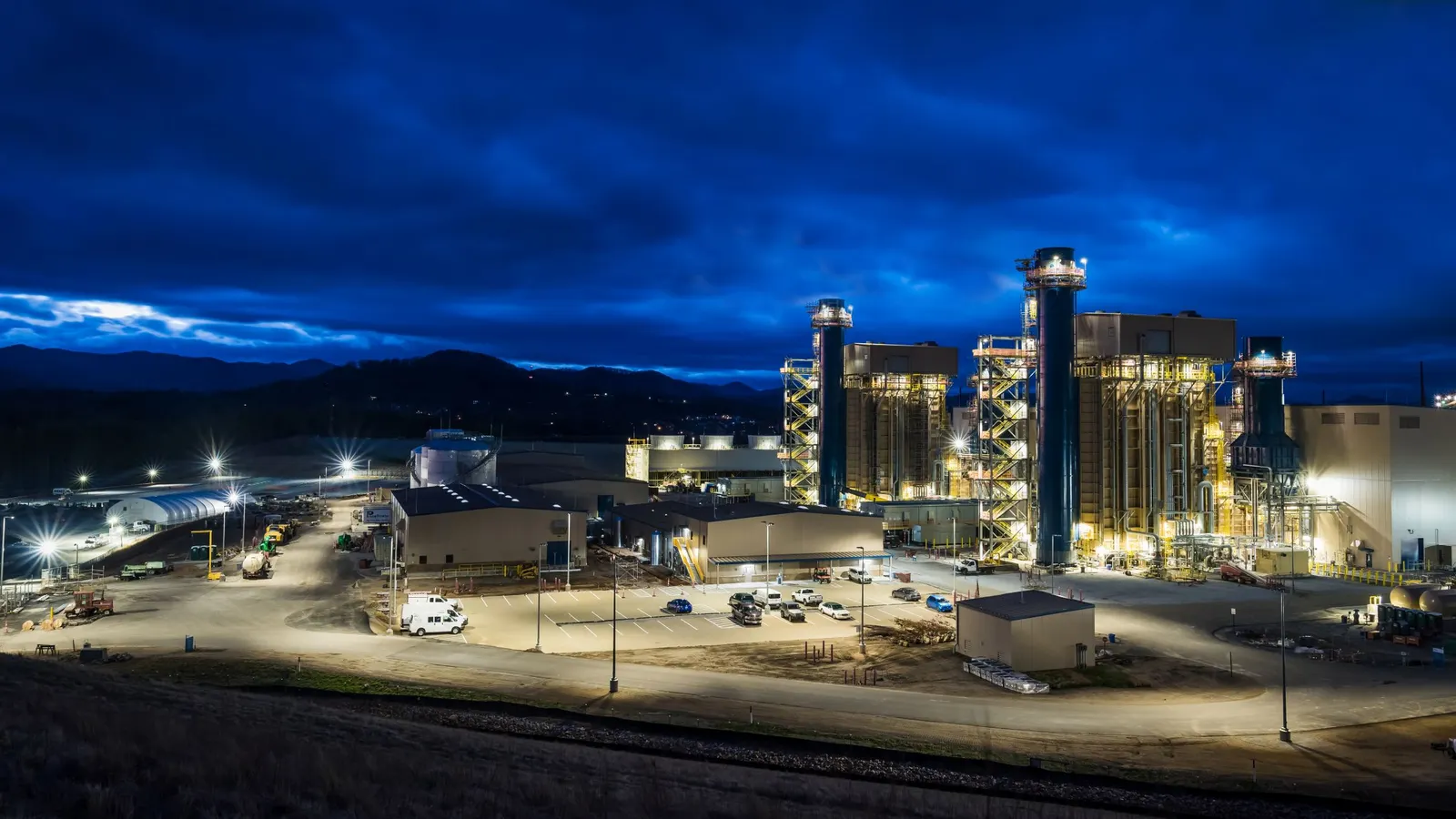
- Duke Energy maintains a $103 billion capital plan focused on natural gas, aiming to build over 10 GW of new gas generation and 4.8 GW of battery storage by 2031, with about one-third of the needed equity already secured.
- Duke Energy reports a 15.4 GW large-load pipeline unchanged since Q1 2026, including 7.8 GW under signed electric service agreements—up 200 MW from early 2026—as demand from data centers drives growth.
- Harry Sideris, Duke Energy’s CEO, said the company is operating in a 'dynamic environment' where large-load projects are progressing but taking longer due to complexities, though he expressed confidence in advancing the remaining 7.6 GW.
- Brian Savoy, Duke Energy’s CFO, stated the company is spending $1.5 billion monthly on planned projects and will increase to $2 billion per month starting next year as the capital plan accelerates.
- Duke Energy plans to pair a 2.8 GW gas generation project in North Carolina with a liquefied natural gas storage facility to reduce exposure to price volatility and improve supply flexibility, with turbines and gas supply already under contract.
- North Carolina regulators denied a Certificate of Public Convenience and Necessity for a 255 MW gas unit citing 'staggering' costs and uncertain need, but Sideris defended it as a low-cost solution for reliable, affordable service.
- Duke Energy continues advancing large-load tariff proposals in North Carolina, Florida, Indiana, and Ohio, with a settlement potentially leading to approval in North Carolina by mid-month, and rate increases under review in multiple states.
Why it matters: Duke Energy is doubling down on gas infrastructure amid rising data center demand and political scrutiny, committing billions despite regulatory rejection in North Carolina and election shifts. The pace of spending—jumping to $2B/month—and reliance on customer-backed rate hikes mean locked-in costs for consumers even as clean energy advocates question the long-term affordability and environmental trade-offs.
Ask SkimNews