Yale finds two proteins driving Parkinson's brain spread — SkimNews
Get the Health newsletter
Daily health & science — research, biotech, public health, the studies worth knowing. Free.
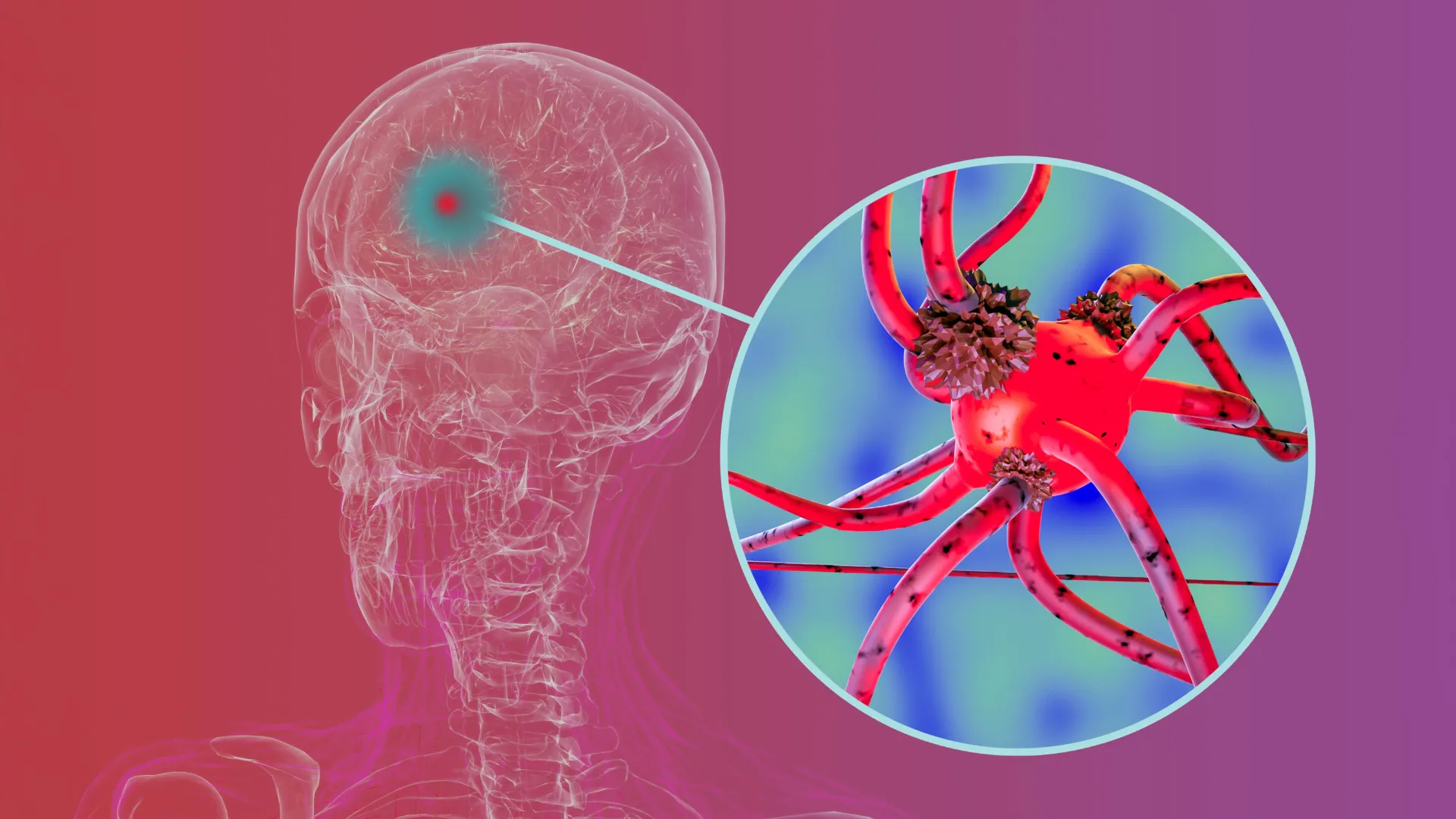
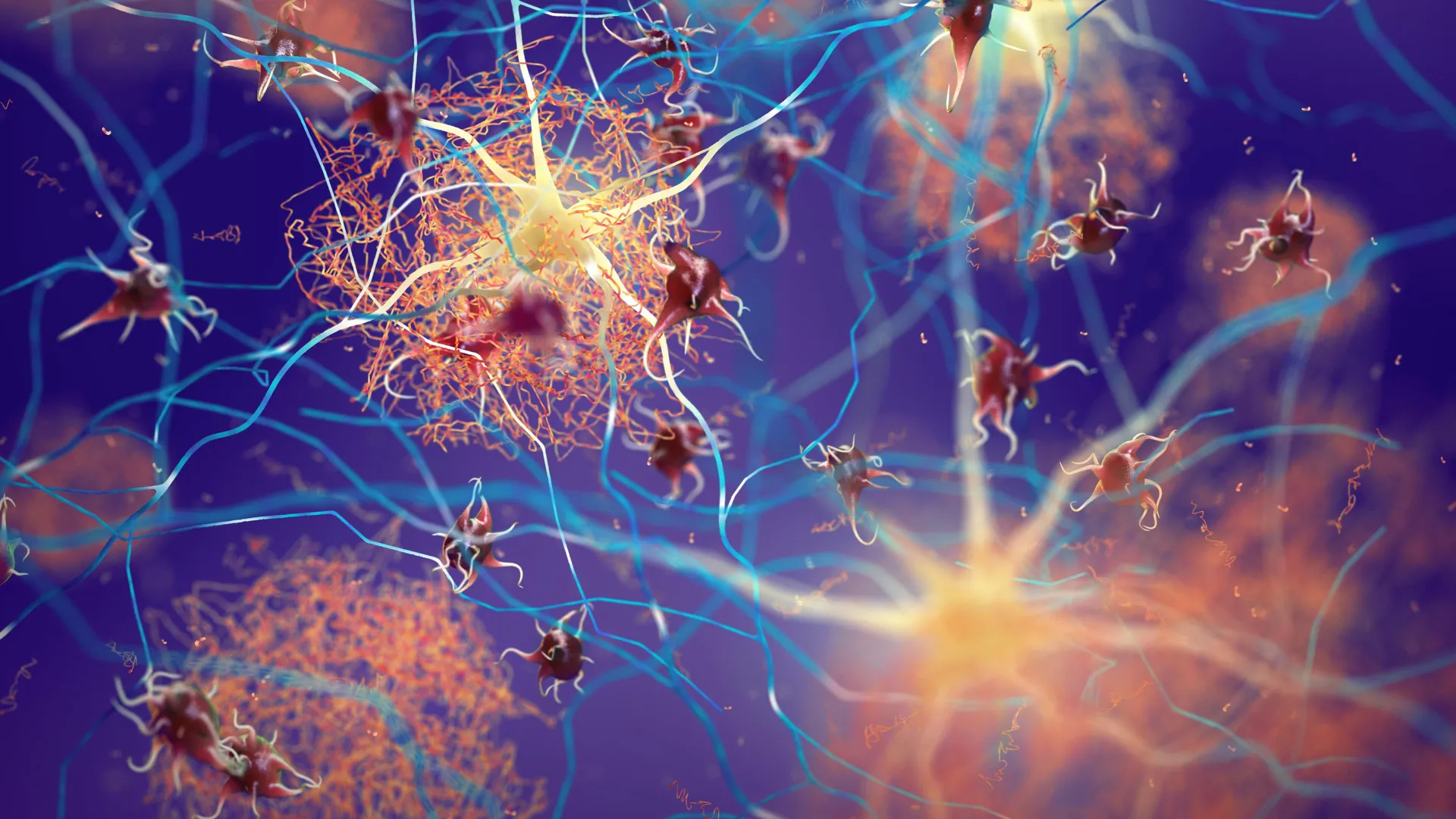
- Yale School of Medicine researchers identified two neuron surface proteins — mGluR4 and NPDC1 — that transport misfolded α-synuclein into healthy neurons, according to a study published in Nature Communications.
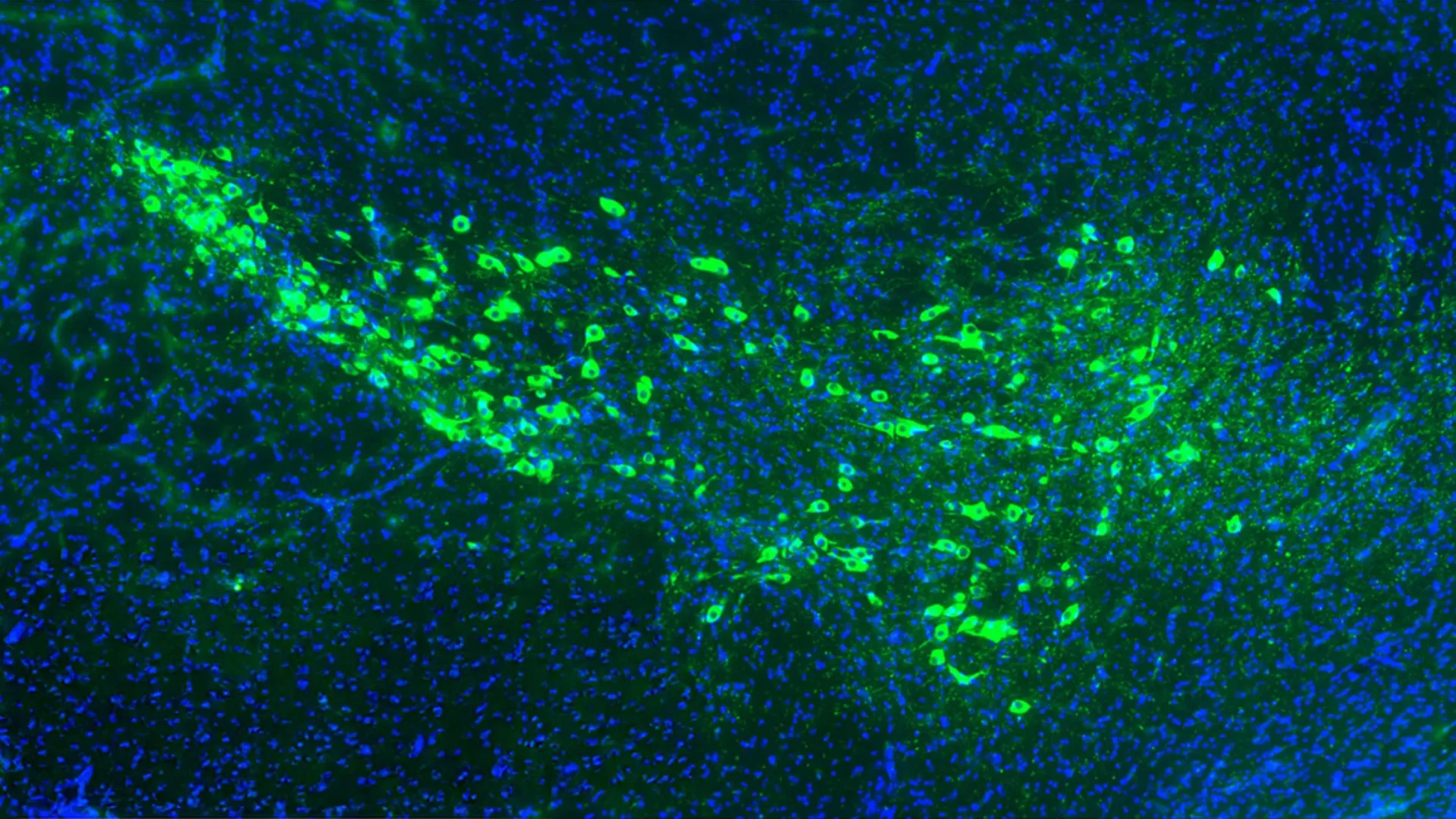
- Stephen Strittmatter, Vincent Coates Professor of Neurology and chair of neuroscience at YSM, led a screen of 4,400 cell groups each displaying a different surface protein; 16 bound to α-synuclein, with mGluR4 and NPDC1 confirmed as the entry route on dopamine-producing neurons in the substantia nigra.
- Mice engineered to lack functional mGluR4 or NPDC1 did not develop Parkinson's-like symptoms after exposure to misfolded α-synuclein, while normal mice accumulated the toxic protein and fell ill.
- In a separate mouse model of Parkinson's disease, deleting the genes for either mGluR4 or NPDC1 reduced symptom progression and lowered the risk of death, the team reported.
- The findings reframe treatment strategy: blocking the mGluR4–NPDC1 complex would target disease spread rather than just symptoms, Strittmatter said, calling the mechanism a promising target for future therapies.
- About 1.1 million Americans are living with Parkinson's disease and nearly 90,000 new cases are diagnosed each year, according to the Parkinson's Foundation cited in the study.
Why it matters: For the 1.1 million Americans living with Parkinson's, the Yale team's discovery of mGluR4 and NPDC1 identifies a concrete molecular target for halting disease progression rather than just managing symptoms. Strittmatter frames the timing as urgent given 90,000 new US cases annually and an aging population.
Ask SkimNews