Myanmar's Military Gains Open Door to Rare Peace Talks — SkimNews
Get the Geopolitics newsletter
Daily geopolitics — wars, elections, sanctions, the diplomatic moves that move markets. Free.
- SCEF, the umbrella body for several major ethnic armed groups and the shadow government, committed to pursuing a political settlement after July meetings with Thai and Philippine foreign ministers who also met Myanmar's military negotiation committee
- SCEF demands the military end attacks on civilians and release all political prisoners as conditions for meaningful dialogue, and its final objective remains civilian supremacy with the military out of any political role
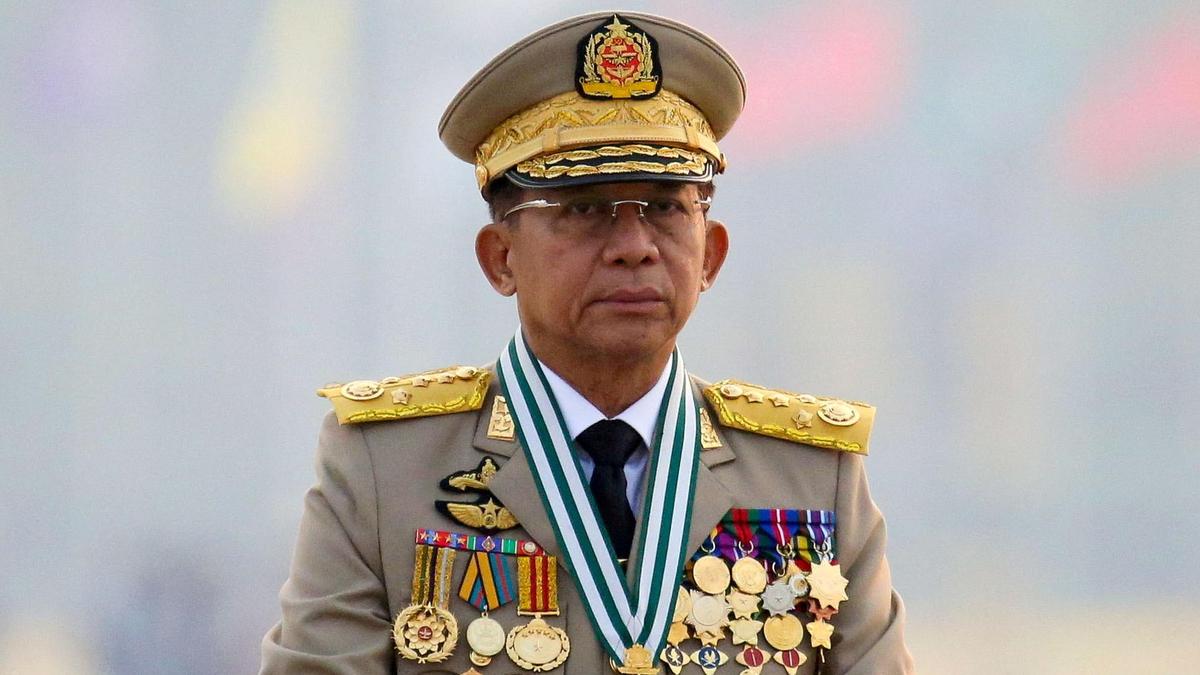
- Min Aung Hlaing, now in a civilian presidential role after an army-engineered election, is visiting Thailand Aug 6-7 while Bangkok pushes for ASEAN re-engagement, though he has yet to accept the SCEF as a negotiating partner
- Myanmar's military (Tatamadaw) regained ground after a near-collapse by deploying conscription, securing Chinese support and using new battlefield tactics, with armed groups retreating from central Bago and southern Dawei regions
- Since the February 2021 coup that ousted Aung San Suu Kyi's government, the conflict has killed over 100,000 people and displaced millions, while a conflict monitor flagged a sharp escalation in military attacks on civilians since the leadership transition
- Analysts said the near-term prospect is "talk of talks" rather than actual political dialogue, noting the SCEF appears to have abandoned its previously stated objective of overthrowing the Tatmadaw
Why it matters: The convergence of military resurgence and diplomatic pressure creates conditions Myanmar has not seen since the 2021 coup. With the SCEF dropping its goal of overthrowing the Tatmadaw and ASEAN re-engagement on the table, the humanitarian crisis affecting millions gains its first credible diplomatic channel — though escalating attacks on civilians show the military is negotiating from strength, not weakness.
Ask SkimNews