Modi-Carney agree to double trade, seal pact by December — SkimNews

Get the Geopolitics newsletter
Daily geopolitics — wars, elections, sanctions, the diplomatic moves that move markets. Free.
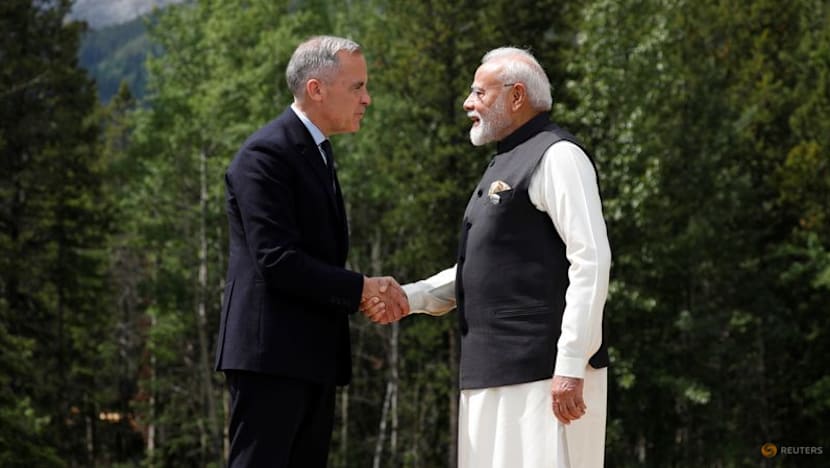
- Modi and Carney held a phone call on October 13, 2026, pledging to conclude the Comprehensive Economic Partnership Agreement (CEPA) at the "earliest opportunity" and double two-way trade — about $23 billion in 2025 — by 2030
- Canadian ministers Anita Anand (Foreign Affairs) and Maninder Sidhu (International Trade) traveled to Delhi to meet counterparts S. Jaishankar and Commerce Minister Piyush Goyal and firm up plans for Modi's December visit to Ottawa, his first bilateral trip in more than a decade
- India and Canada conspicuously avoided the Nijjar killing dispute that suspended ties from 2023 to 2025; NSA Ajit Doval hosted Canadian Senior Diplomatic Advisor David Morrison last week to discuss "security and law enforcement" without mentioning the case
- India agreed during UNGA week to co-sponsor the EU-initiated "Partnership for Multilateralism" resolution alongside Canada, Kenya, and Brazil, part of New Delhi's broader pivot toward middle powers amid unilateral behavior by the U.S., Russia, and China
- Carney thanked Modi for India's efforts conveying messages between Moscow and Kyiv on grain exports and commercial shipping safety during Russia's war on Ukraine
- Anand and Jaishankar are scheduled to join a "Middle Power Moment" panel on October 14 alongside former British PM Rishi Sunak and former Australian PM Kevin Rudd
Why it matters: The CEPA conclusion, expected by mid-December, would mark India-Canada's first substantial economic pact since the 2023 Nijjar killing froze ties. For Canada, it locks in an Indo-Pacific trade foothold; for India, it advances New Delhi's middle-power coalition strategy while both governments deliberately decline to relitigate the assassination dispute.
Ask SkimNews