US-Iran Strikes Show War and Peace Now Happen
Get the Geopolitics newsletter
Daily geopolitics — wars, elections, sanctions, the diplomatic moves that move markets. Free.
- US military launched strikes against Iran on June 9, calling it "a proportional response to unjustified Iranian aggression" after a US Army helicopter was downed near the Strait of Hormuz a day earlier.
- Iran's Islamic Revolutionary Guard Corps struck US bases in Bahrain and Jordan in retaliation and warned of "even more severe attacks" if the US strikes again.
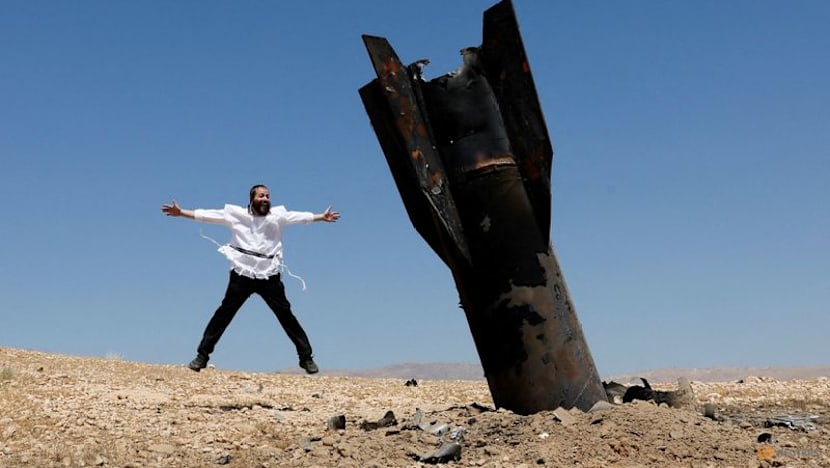
- Israel and Iran briefly returned to direct conflict days before the US-Iran exchange, triggered by Israeli operations against Hezbollah in Lebanon, where a ceasefire was supposedly in effect.
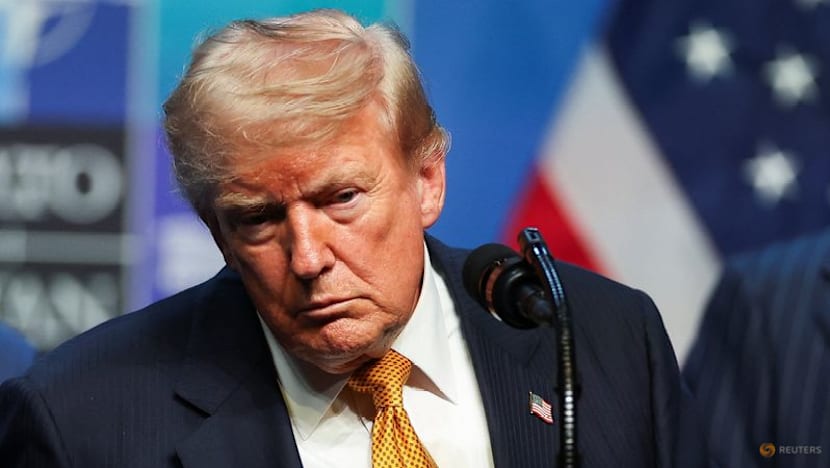
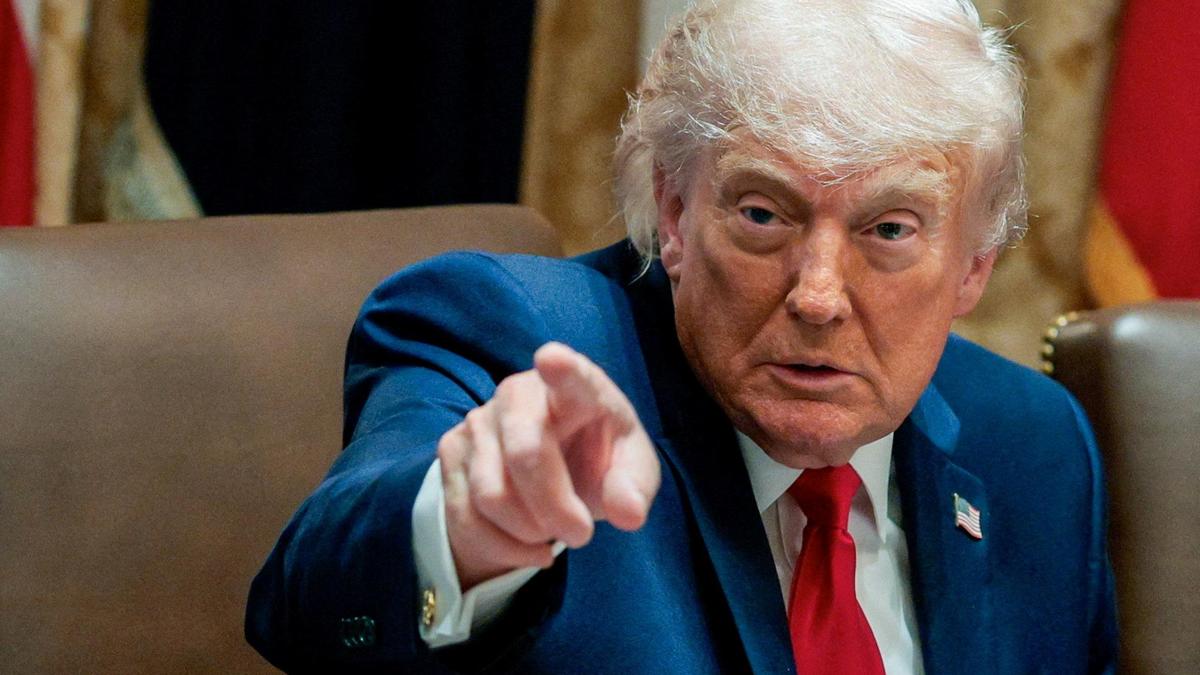
- Trump claimed he was in the "final throes of what will be a very, very good deal" to end the war, even as the strikes were being carried out.
- The authors argue diplomacy has shifted from ending conflicts to managing them, with ceasefires now coexisting with airstrikes and negotiations continuing during military confrontations.
- The old model — exemplified by the 1978 Camp David Accords after the 1973 Arab-Israeli war, which produced a still-active Egypt-Israel peace treaty — relied on diplomacy as a distinct phase before or after fighting.
Why it matters: The article frames a structural shift: the US, Iran, and Israel each use calibrated military force to signal resolve while keeping talks alive, creating a cycle where ceasefires function as pauses rather than settlements. The authors' central concern is that this managed-conflict equilibrium makes the difficult compromises that produced the 1978 Camp David Accords nearly impossible to replicate.
Ask SkimNews