Iran-Israel Strikes Expose US Rift, New Regional Order

Get the Geopolitics newsletter
Daily geopolitics — wars, elections, sanctions, the diplomatic moves that move markets. Free.
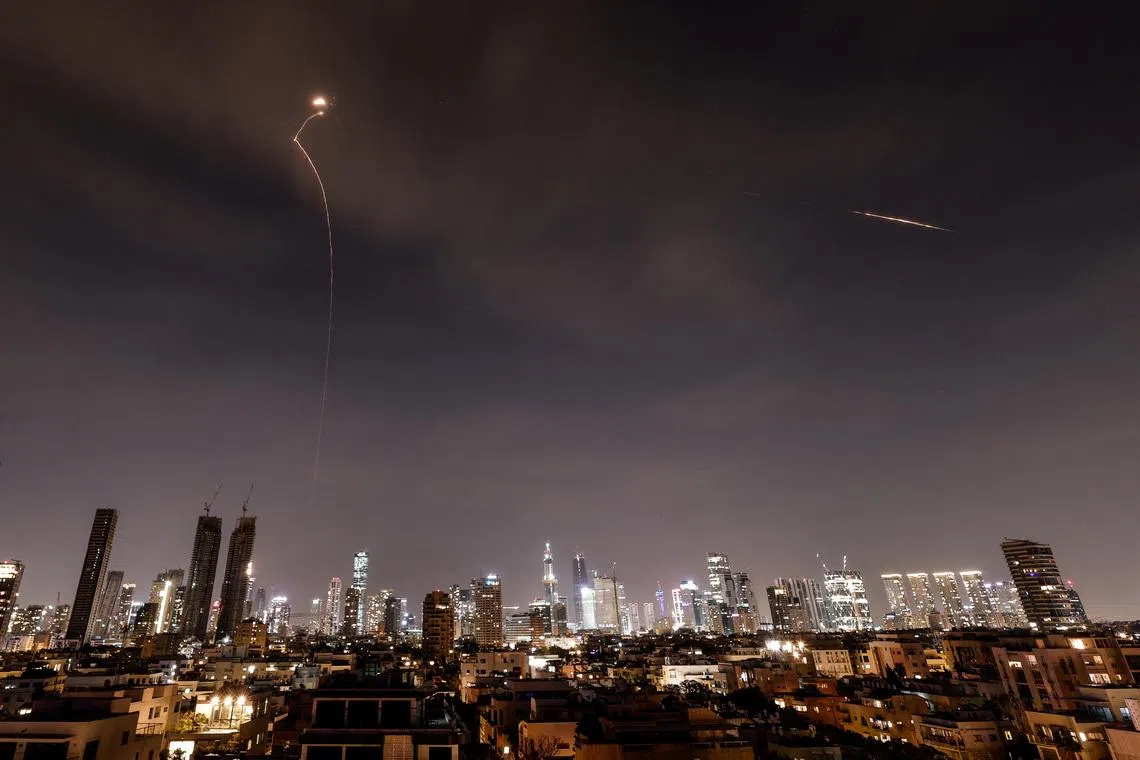
- Iran fired missiles at Israel on June 7 for the first time in two months, triggered by an Israeli strike on a Hezbollah target in Beirut that Trump had asked Netanyahu to avoid carrying out.
- Israel retaliated against targets in western and central Iran, defying Trump's calls for restraint; Iran then launched fresh strikes before announcing an end to its attacks and warning of a "more severe" response if Israel's Lebanon operations continued.
- Iran has controlled the Strait of Hormuz since the war began in late February, and the US has accepted this reality rather than follow through on threats to attack Iranian civilian infrastructure, invade Kharg Island, or escort ships through the waterway.
- Iran retains unused leverage including expanding strikes on Gulf energy and desalination targets and activating the Houthis, who have announced a ban on Israeli shipping in the Red Sea following the latest escalation.
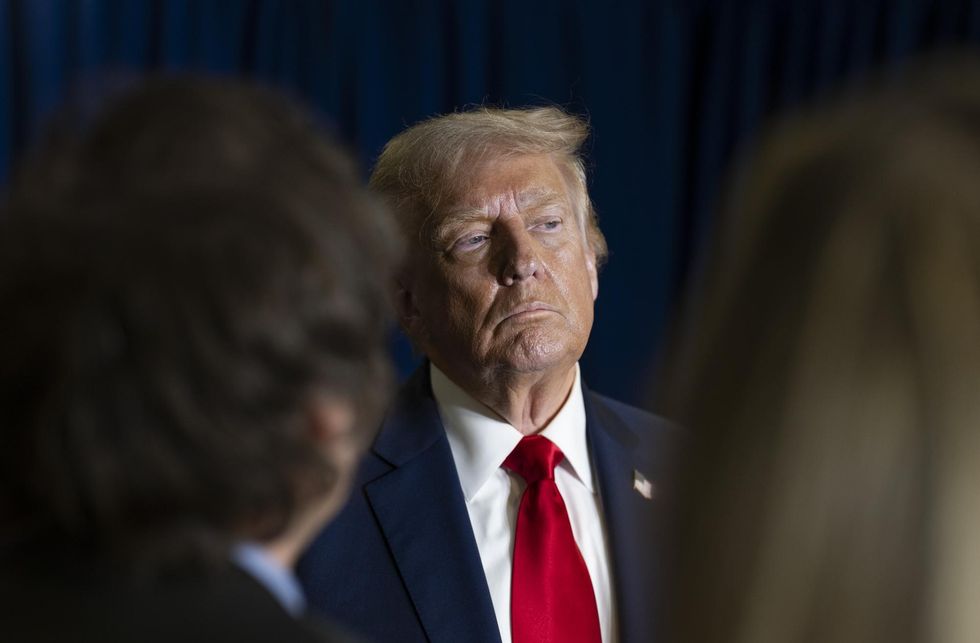
- Trump responded to Iran's initial strikes by saying "I am going to call Bibi right now and tell him not to retaliate," a break from lockstep US-Israeli coordination that the author identifies as a longstanding strategic goal of Tehran.
- Israel would struggle to sustain further conflict with Iran without US help, as hunting missile launchers alone would stretch Israeli air power thin, especially with the Hezbollah front on Israel's northern border remaining active.
- The author argues peace is now impossible to imagine because Netanyahu cannot accept an Iranian veto over Lebanon, Trump cannot close a deal with Iran while Israel bombs Lebanon, and Iran has incentive to keep pushing without facing consequences.
Why it matters: Iran demonstrated it can limit Israeli military action in Lebanon and maintain control of the Strait of Hormuz without facing US military pushback or regime-change threats, while Israel cannot sustain further conflict with Iran without American air power — a structural reality that makes Netanyahu's Lebanon operations and any Trump-Iran nuclear deal increasingly untenable.
Ask SkimNews