Georgia EV makers pivot to hybrids as Trump kills tax credit — SkimNews
Get the Energy newsletter
Daily energy & climate — solar, EVs, oil, the policy fights and tech bets shaping the transition. Free.
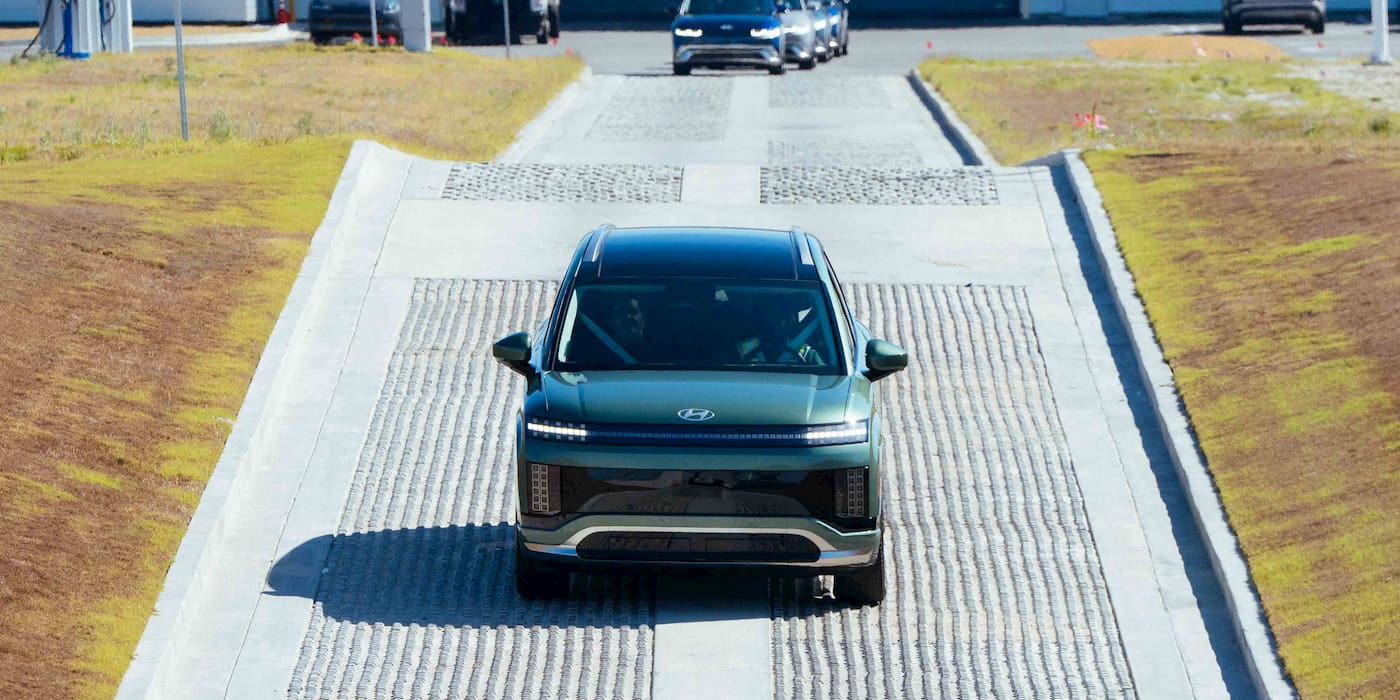
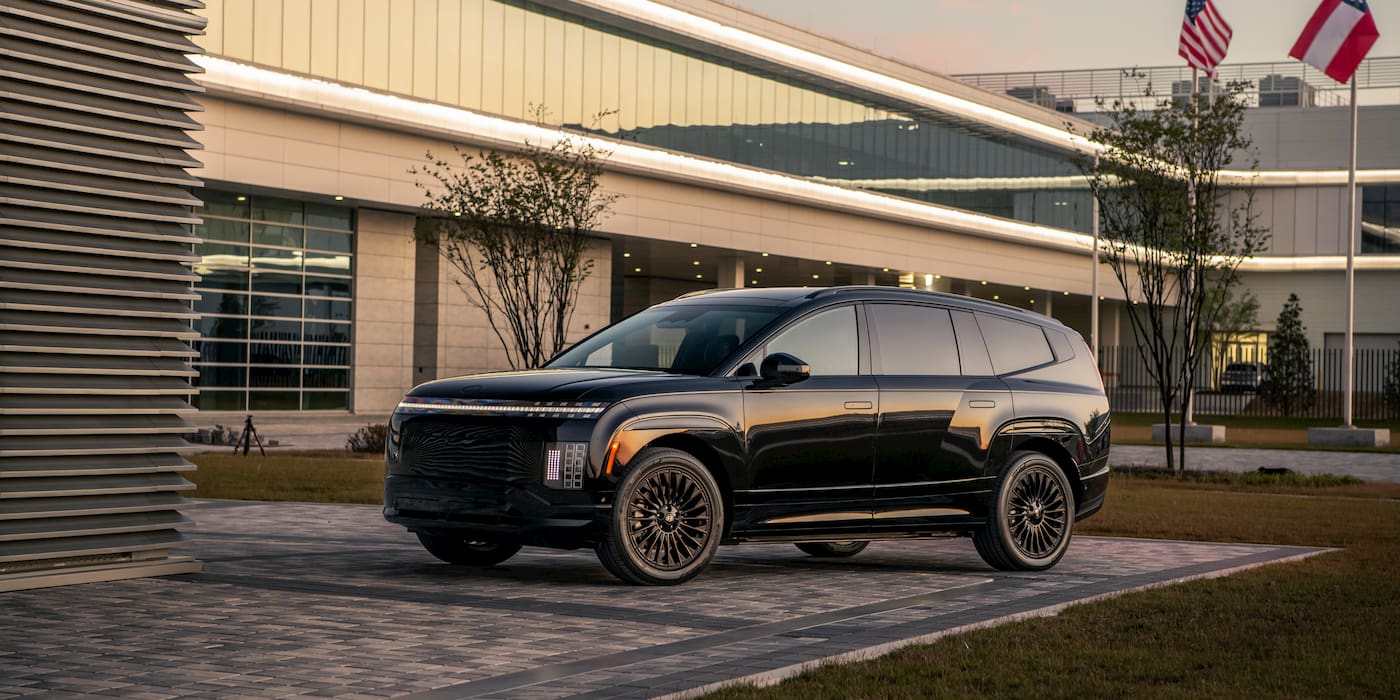
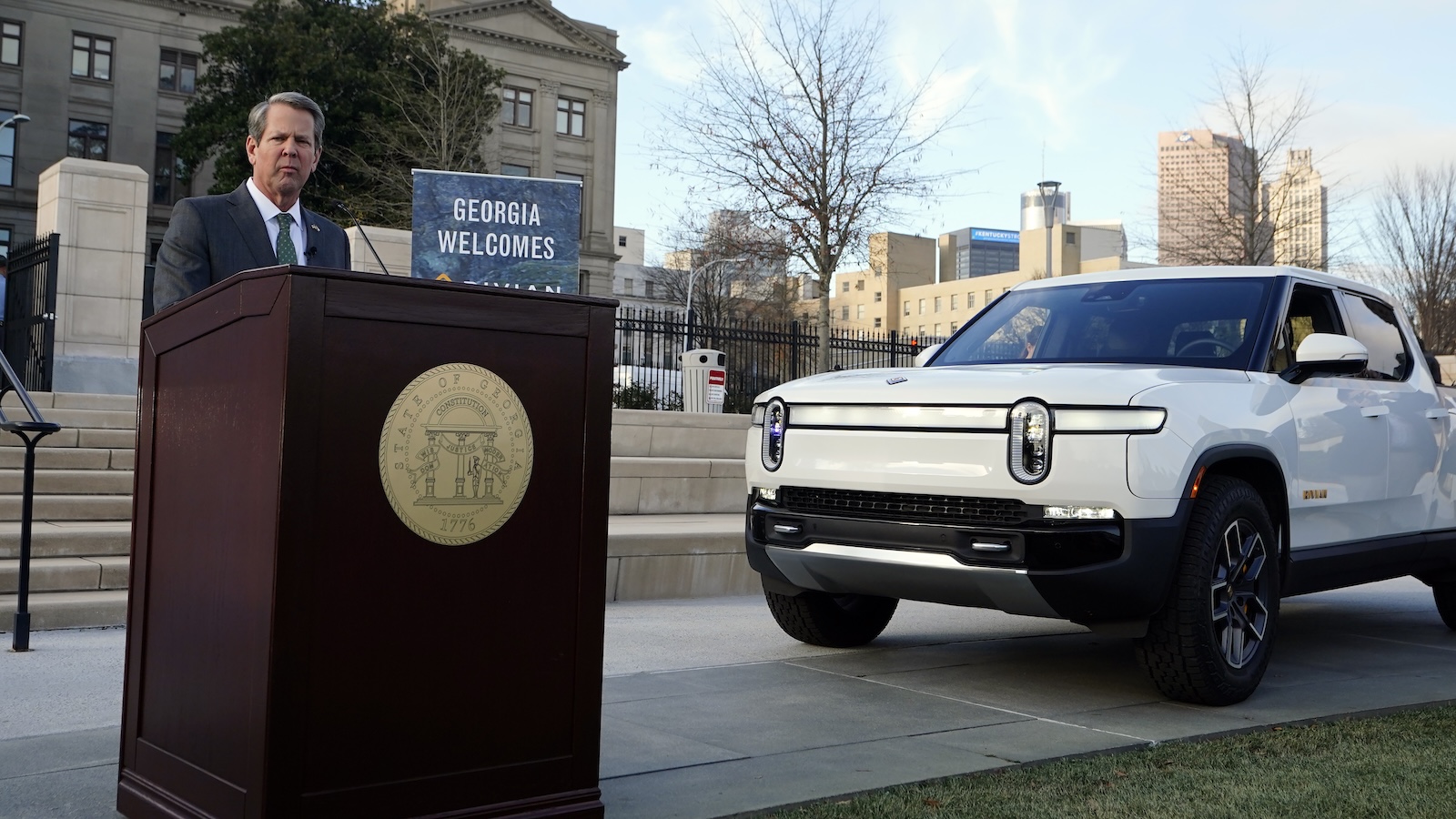
- Georgia built itself into an EV manufacturing hub under Governor Brian Kemp's tax breaks and worker training programs, landing a Hyundai plant near Savannah in 2022, Kia EV production at West Point in 2024, a Rivian groundbreaking near Atlanta in 2025, and Blue Bird's expanded electric-bus factory in 2023.
- Trump administration policies destabilized the sector by ending federal EV tax credits, imposing tariffs on battery packs and charger hardware, loosening gas-vehicle emissions rules, and scrapping the Biden push to electrify government vehicle fleets.
- Federal immigration agents raided an EV battery plant and arrested more than 400 South Korean workers roughly a year ago, disrupting the launch of a major new facility.
- Kia CEO Stuart Countess said the West Point plant now runs like a "short-order cook," producing mixed powertrains (gas, hybrid, electric) to order; Countess added that sales were "moving in the right direction" until the federal tax credit "went away" and "became a much different environment."
- SK Battery laid off workers earlier this year, and more than $4 billion in EV-related investment has been canceled or scaled back across the Southeast, per the Southern Alliance for Clean Energy — though nearly $74 billion in manufacturing investment is still moving ahead.
- Battery makers across Georgia have begun shifting capacity toward storage batteries for the electricity grid alongside their vehicle batteries, hedging against weaker EV demand.
- Despite courting EV factories, Georgia still charges an extra EV registration fee to recoup lost gas taxes and offers no incentives for drivers to buy the vehicles its plants produce; SACE's Stan Cross said state politics around EVs remains "utterly confused," while utility EV-related investment in the region rose 14 percent this year.
Why it matters: Georgia faces a self-inflicted contradiction: it used tax breaks to lure Kia, Hyundai, and Rivian plants while still penalizing EV drivers with an extra registration fee. Automakers are protecting roughly $74 billion in committed investment by retooling lines toward hybrids and grid-storage batteries — a hedge that preserves jobs but means the EV transition Georgia banked on is arriving more slowly and through a different supply chain than planned.
Ask SkimNews