Georgia EV Plants Pivot to Hybrids as Trump Cuts Credits — SkimNews
Get the Energy newsletter
Daily energy & climate — solar, EVs, oil, the policy fights and tech bets shaping the transition. Free.
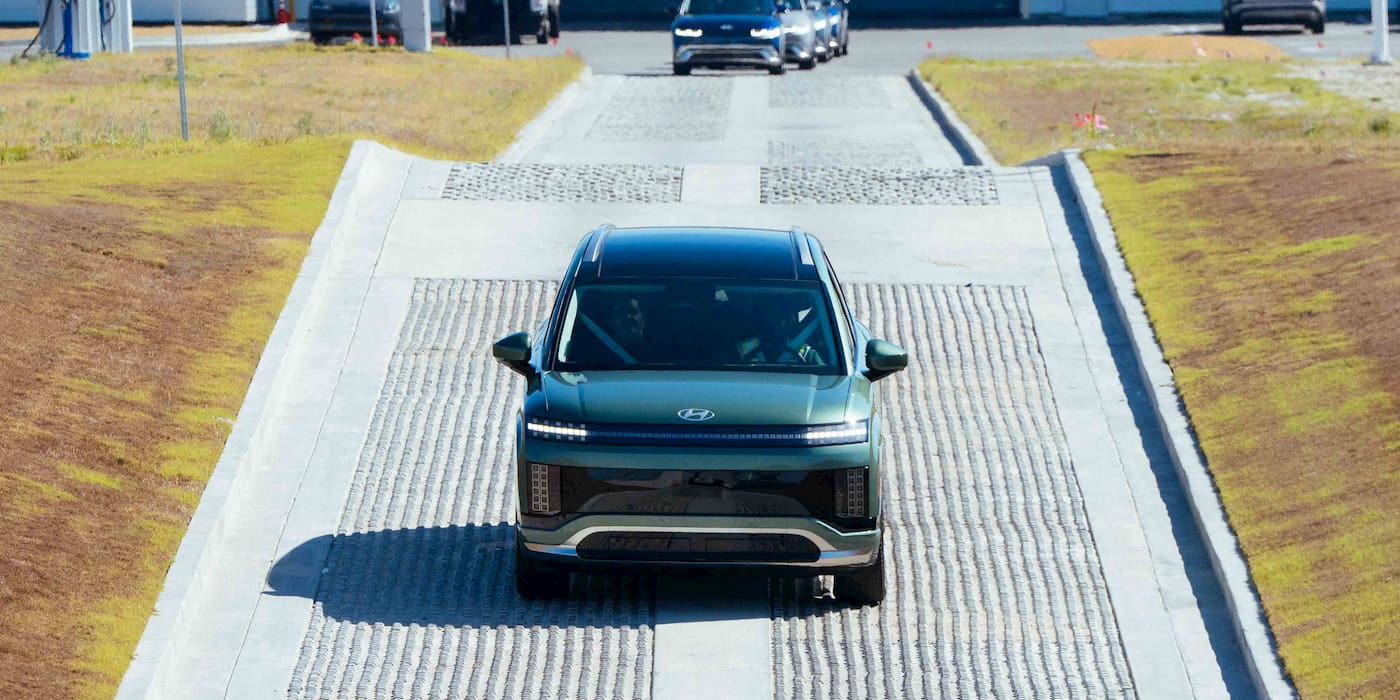
- Kia's West Point plant shifted to a flexible assembly model prioritizing hybrids over full EVs after the federal EV tax credit expired, with CEO Stuart Countess saying consumer demand and policy changes drove the pivot.
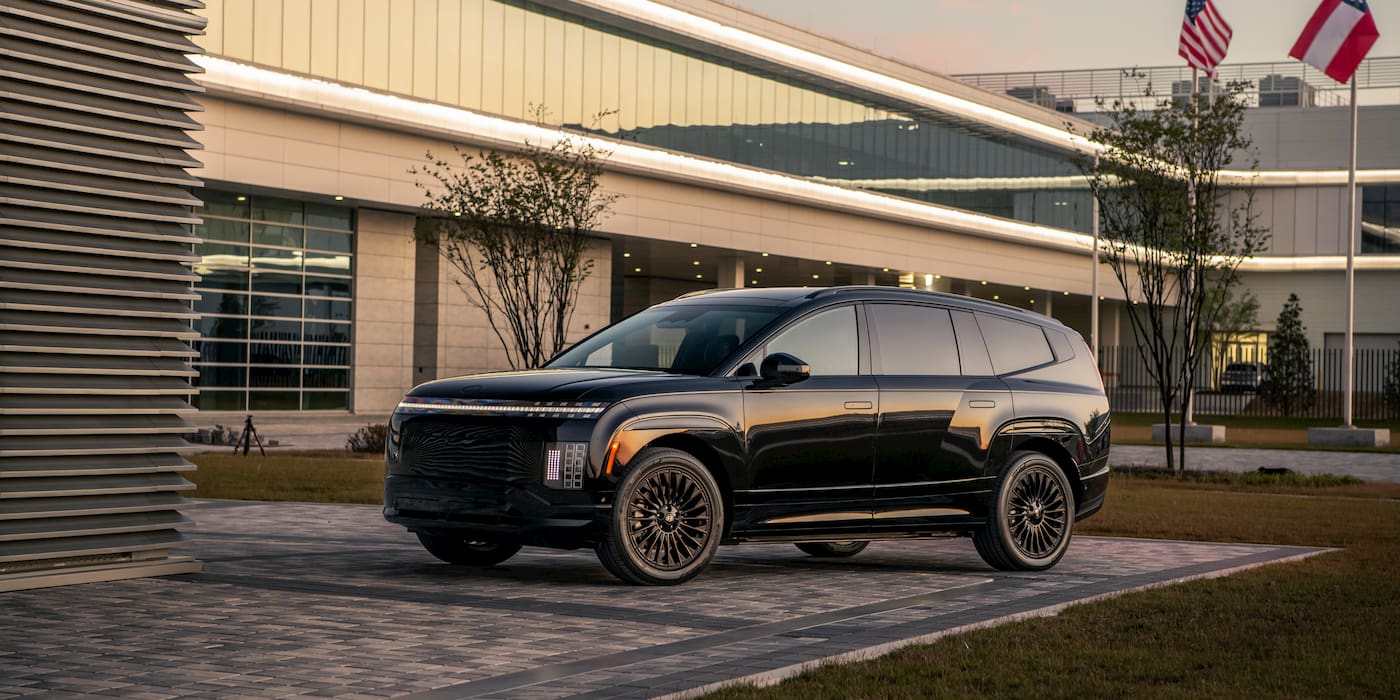
- Hyundai added hybrid production to its Savannah plant, originally built to manufacture electric vehicles, as automakers navigate what Cox Automotive's Stephanie Valdez-Streaty called a "messy period."
- The Trump administration ended federal EV tax credits, imposed tariffs on battery packs and charger hardware, loosened gas-vehicle emissions rules, and rolled back the Biden push to electrify government vehicle fleets.
- Georgia battery makers have begun shifting production from EV batteries to electricity storage batteries, with SK Battery announcing layoffs earlier this year amid more than $4 billion in canceled or scaled-back Southeast EV investment.
- Despite the headwinds, nearly $74 billion in regional manufacturing investment is still moving ahead, and EV-related utility investment grew 14% this year according to the Southern Alliance for Clean Energy.
- A federal immigration raid on a Georgia EV battery plant a year ago arrested more than 400 workers, mostly South Korean, further destabilizing the new factory's launch.
- Unlike some states, Georgia charges an extra EV registration fee rather than offering adoption incentives, with SACE's Stan Cross saying state policy on electric vehicles "remains utterly confused."
Why it matters: Georgia committed billions in tax breaks and worker training to become a clean-energy manufacturing hub, and automakers are now responding by abandoning all-EV assembly strategies in favor of hybrids — meaning the state's factories stay open but its emissions goals slip further out of reach.
Ask SkimNews