Willem de Kooning review – the artist’s lifelong rebellion against himself is thrilling to watch — SkimNews

Get the Culture newsletter
Daily culture — film, music, books, the trends and ideas worth your attention. Free.
- Willem de Kooning exhibition showcases his Rotterdam academy training, including a teenage charcoal still life (Dish With Jugs) estimated to have taken 600 hours to complete — work so minutely rendered it could be mistaken for a sepia photograph.
- The show argues De Kooning's academic foundation let him rebel against classical rules without breaking them, pairing standout paintings with drawings that trace his lifelong battle with the tradition.
- De Kooning didn't have a solo show until nearly age 44; his breakthrough came with Queen of Hearts and a seminal 1949 work on paper of white sparks against a black ground — with a scrawled cock and balls at the bottom edge.
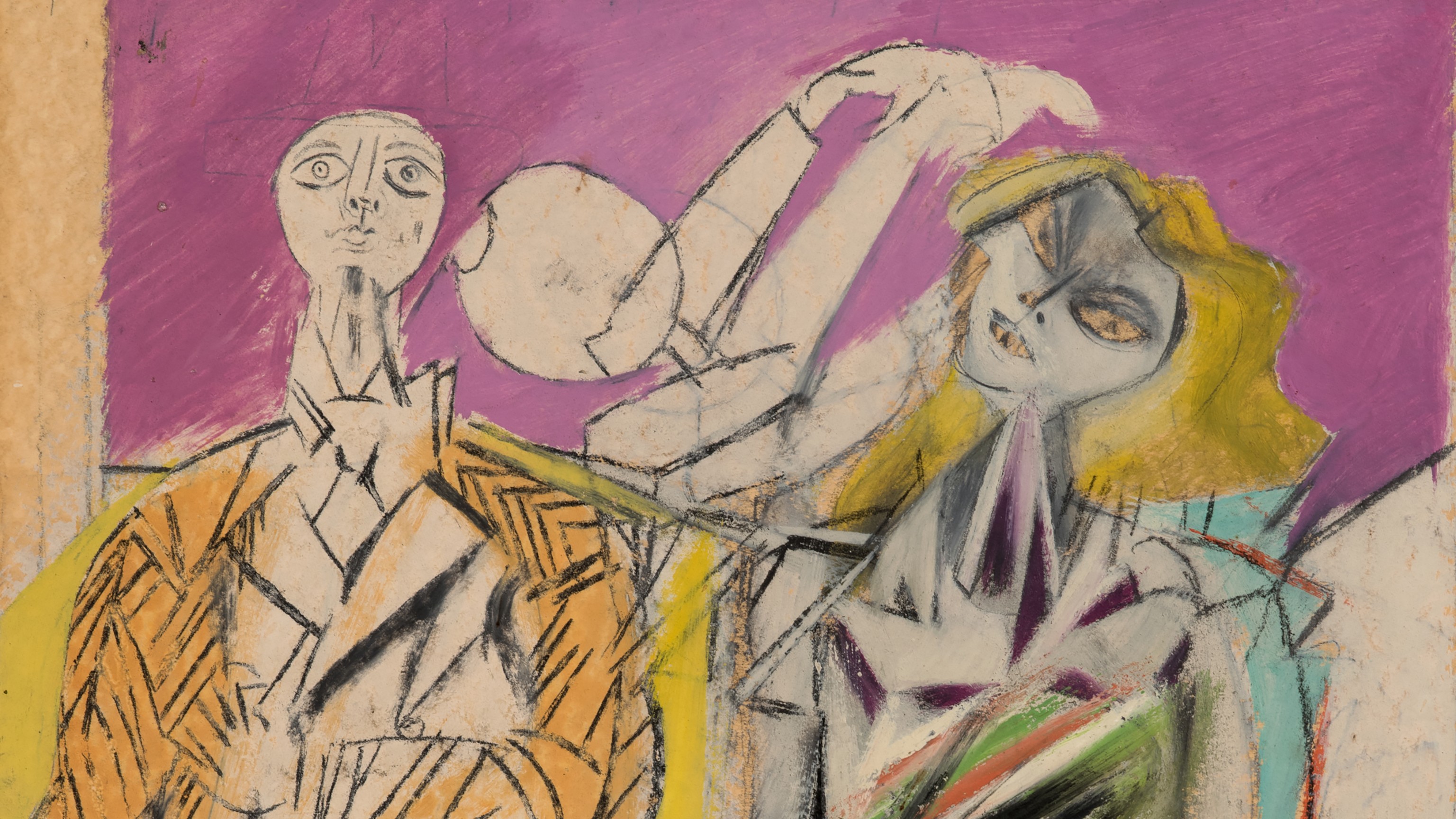
- Excavation (1950), a centerpiece, reads initially as interlocking abstract shapes but reveals screaming faces and dismembered body parts — evoking Europe's mass graves and an orgiastic ecstasy of bodies dissolving into each other.
- Woman I hangs in a gallery normally reserved for Dutch golden age masters, holding its own against Vermeer and Rembrandt; the reviewer argues its original 'monstrosity' accusations relied on mid-century assumptions about how women should look.
- De Kooning's late-1950s Rome black-and-white works feel derivative of Franz Kline, though standouts like Clam Diggers and a mid-70s painting reveal his overlooked gift as a colourist — buttery textures in ice-cream hues.
- The show closes with an astonishing 1985 painting made during De Kooning's cognitive decline — serene, strange, and boiled down to basic forms shaped entirely by his own experience rather than the inherited classical tradition.
Why it matters: The exhibition reframes De Kooning not as a spontaneous gestural painter but as a product of intensive academic discipline — a thesis that challenges mid-century New York rivals who viewed his European drawing skills as suspiciously prissy. For visitors, the most striking curatorial payoff is seeing Woman I displayed alongside Vermeer and Rembrandt, where the original 'monstrosity' panic now looks like a period artifact.
Ask SkimNews