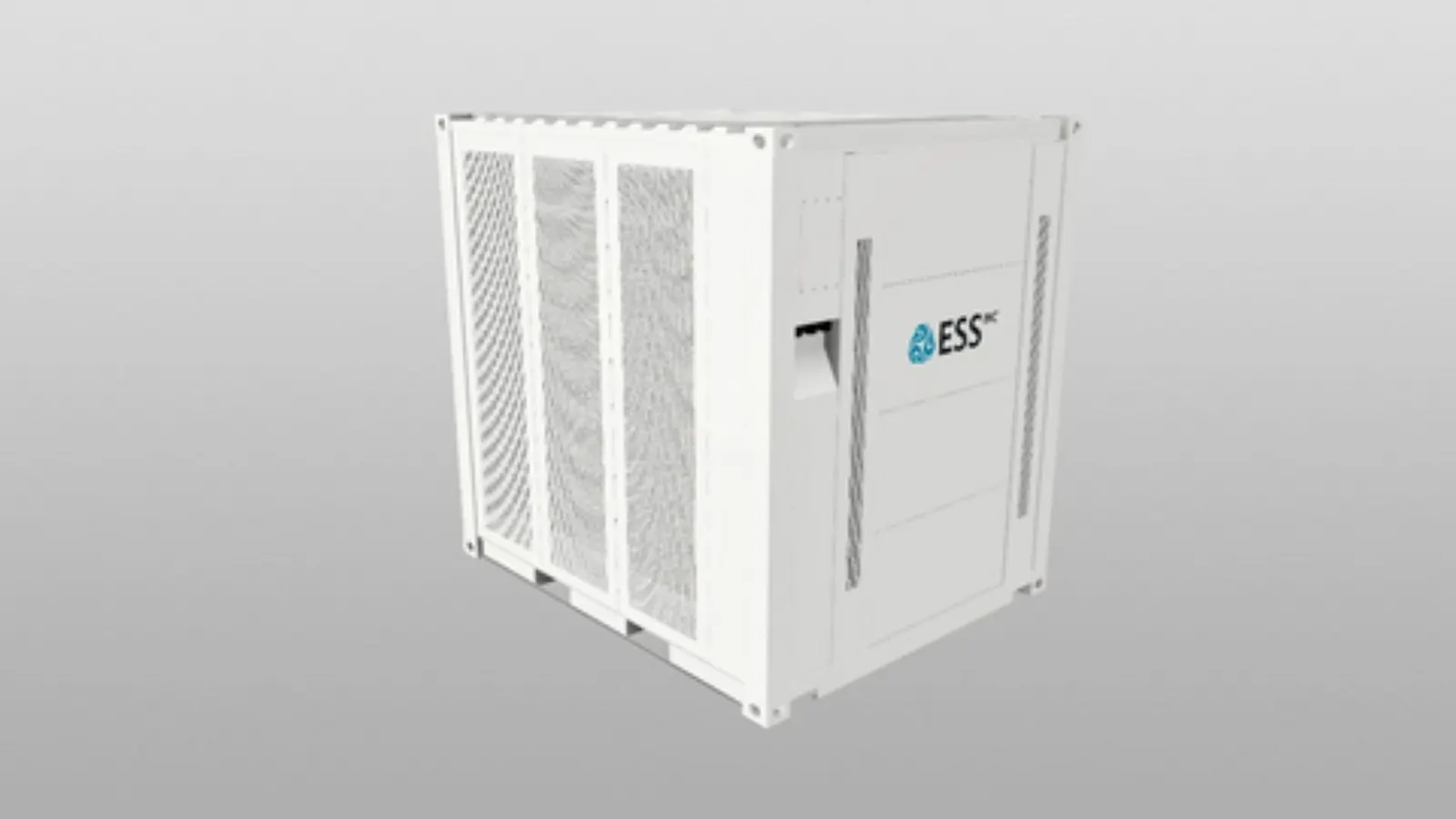
ESS Tech Launches 1.2-MWh Modular Sodium-Ion Battery
SkimNews Take
Sodium-ion's pitch is less about matching lithium on energy density and more about sidestepping supply-chain constraints and fire-safety regulations, recasting the storage competitive landscape around material sourcing and safety compliance rather than raw performance.
Get the Energy newsletter
Daily energy & climate — solar, EVs, oil, the policy fights and tech bets shaping the transition. Free.
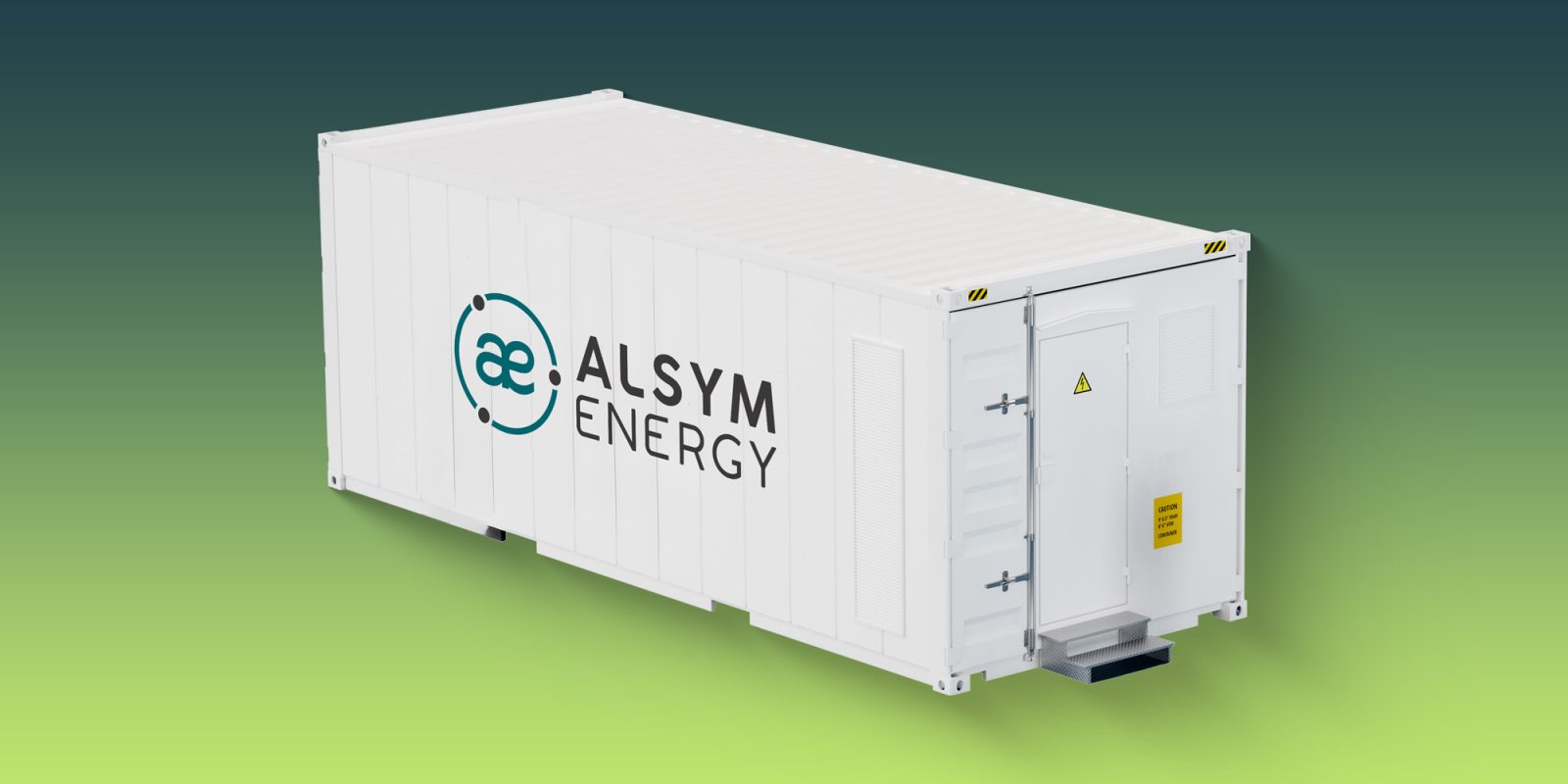
- ESS Tech launched ESS Bridge on July 8, a 1.2-MWh sodium-ion battery system that can be stacked to deliver up to 4.8 MWh in a standard 20-foot container—roughly matching the latest Tesla Megapack in capacity.
- ESS Tech has attracted more than $1 billion in "early-stage customer opportunities" since announcing in late April that it would procure 8.5 GWh of sodium-ion cells and modules from Alsym Energy.
- ESS Bridge can be configured to deliver "16 hours or more" of continuous discharge, per the company, positioning it for medium- and long-duration storage applications.
- Sodium-ion chemistry is less prone to thermal runaway than lithium-ion, allowing air-cooling systems that ESS Tech says require less energy and maintenance than the active liquid cooling typical of lithium-based batteries.
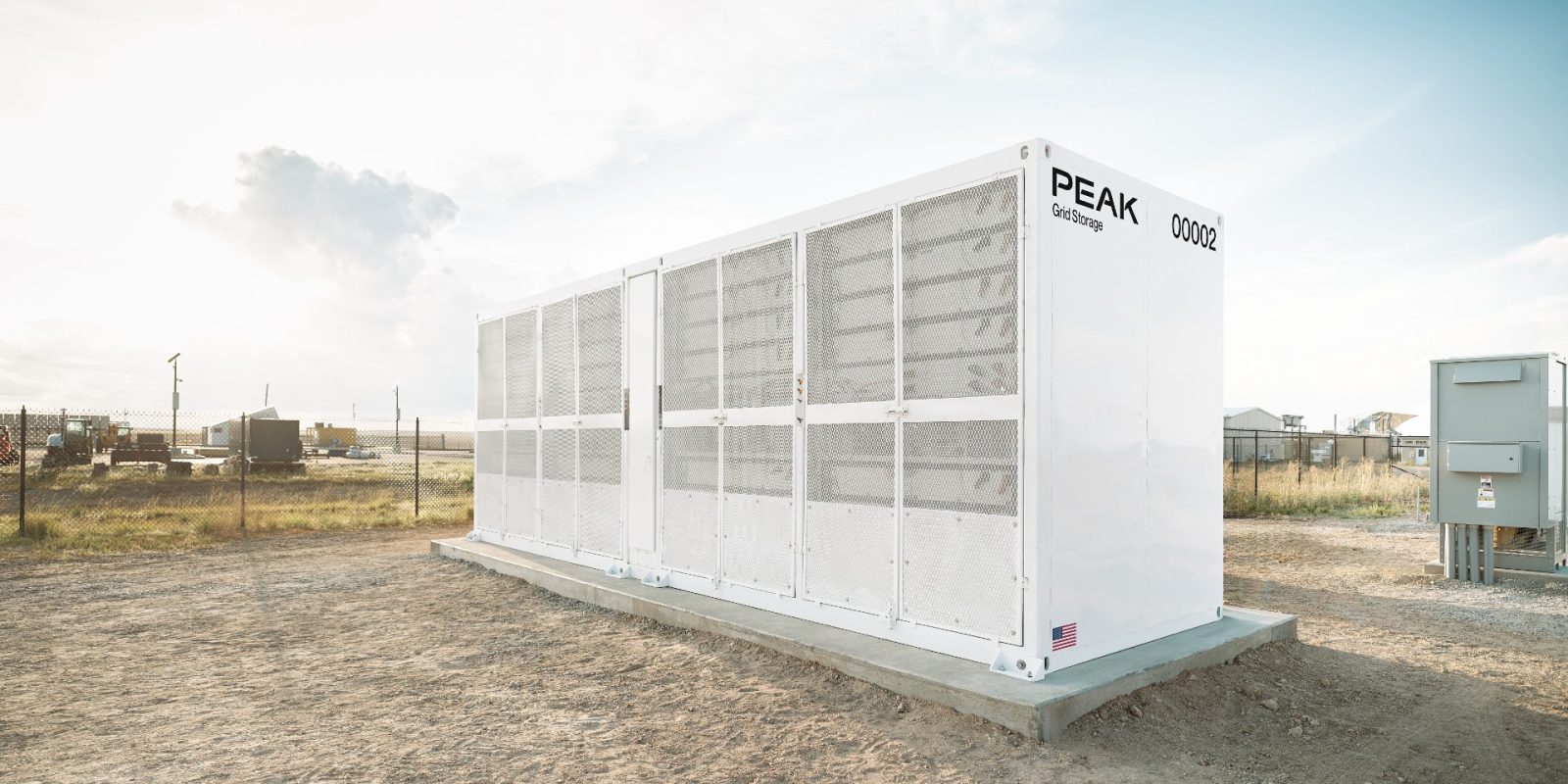
- Peak Energy, a Colorado-based sodium-ion competitor, has committed to deliver up to 4.75 GWh of batteries to Jupiter Power by 2030 and announced a 4-GWh Sacramento manufacturing partnership with General Motors for stationary storage.
- ESS Tech's stock has fallen from nearly $300/share shortly after its 2021 reverse merger to under $1/share today, reflecting the company's struggle to scale its earlier iron flow battery business against rapidly deploying lithium-based systems.
- Sodium-ion supply chains sidestep the Chinese-dominated lithium ecosystem, with ESS Tech noting that sodium is cheap and abundant in North America, reducing customer exposure to geopolitical risk and U.S. restrictions on "foreign entities of concern."
Why it matters: Data centers running AI workloads and utilities facing transmission constraints now have a sodium-ion option that ESS Tech says won't catch fire like the Vistra facility that burned in early 2025. The $1 billion pipeline suggests real commercial pull, but a sub-$1 stock price shows the market still doubts ESS Tech can convert its 15-year battery track record into actual deployed megawatts.