Why are US, Russia and China racing to put nuclear reactors on the moon? — SkimNews

Get the Geopolitics newsletter
Daily geopolitics — wars, elections, sanctions, the diplomatic moves that move markets. Free.
- NASA plans to develop Lunar Reactor 1 by 2030, capable of producing 20 kilowatts of electricity and weighing under 6,000kg, to support sustained lunar surface operations.
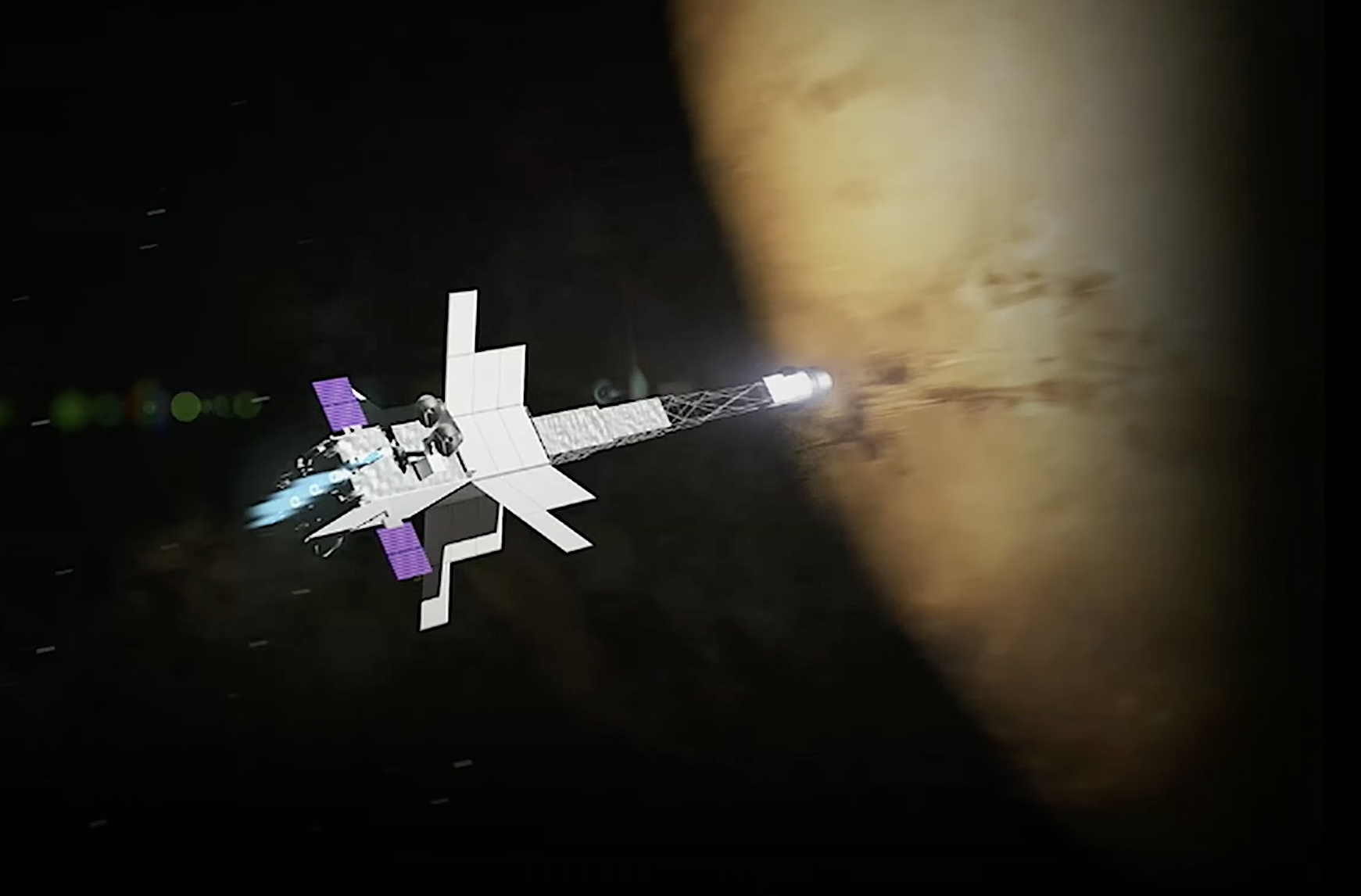
- Russia is developing the Selena reactor with China, aiming for a 10-kilowatt system ready by 2036 that weighs 1,100–1,300kg to power a future Chinese-led moon base.
- Donald Trump issued a December 2025 executive order directing NASA to build a lunar reactor for launch readiness by 2030, framing the effort as part of a geopolitical race.
- Simon Middleburgh of Bangor University’s Nuclear Futures Institute stated nuclear energy is the 'obvious choice' for moon bases due to solar power’s limitations and the high cost of alternatives like batteries.
- Antonino Salmeri of the Lunar Policy Platform warned that while the 1967 Outer Space Treaty allows nuclear power in space, it does not clarify liability for long-term hazardous equipment on celestial bodies.
- Norbert Schorghofer of the Planetary Science Institute noted that signatories to the Outer Space Treaty can mine the moon for peaceful purposes, but early reactor placement could create de facto exclusion zones via radiation safety.
Why it matters: The first country to operate a nuclear reactor near the moon’s south pole gains functional control over key water ice deposits, giving it strategic leverage in future lunar exploration and resource use despite no formal land claims—reshaping space governance through technological presence.
Ask SkimNews