We finally got to drive the Aptera solar electric car — SkimNews
Get the Energy newsletter
Daily energy & climate — solar, EVs, oil, the policy fights and tech bets shaping the transition. Free.
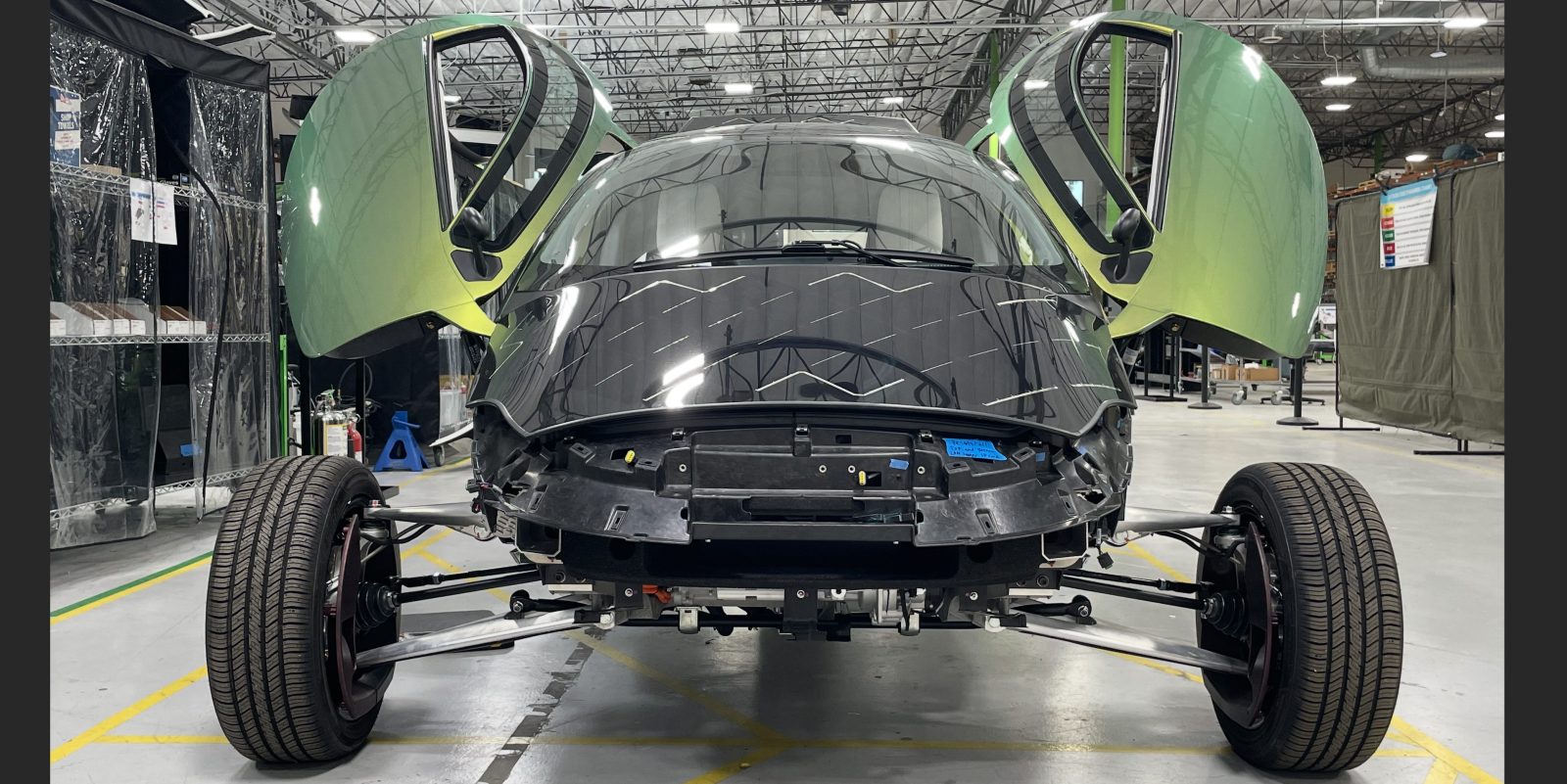
- Aptera completed its first validation prototype in March after a 20-year corporate history that included two foldings and a 2019 restart under its original founders in San Diego county.
- The 3-wheeled, 2-seat Aptera prototype weighs 2,200 lbs, puts out roughly 200 hp to the front wheels, and runs 0-60 in a bit under 6 seconds.
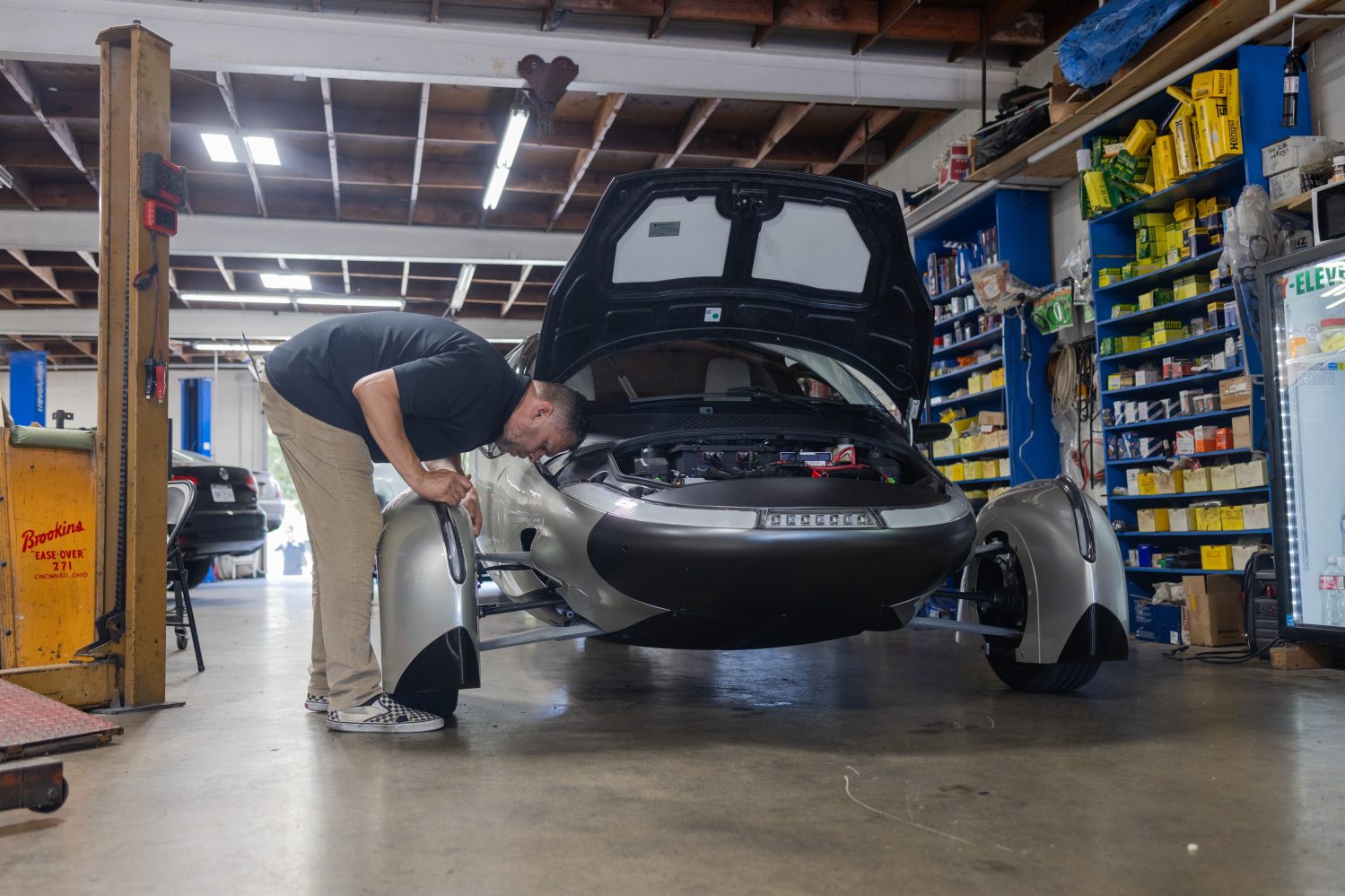
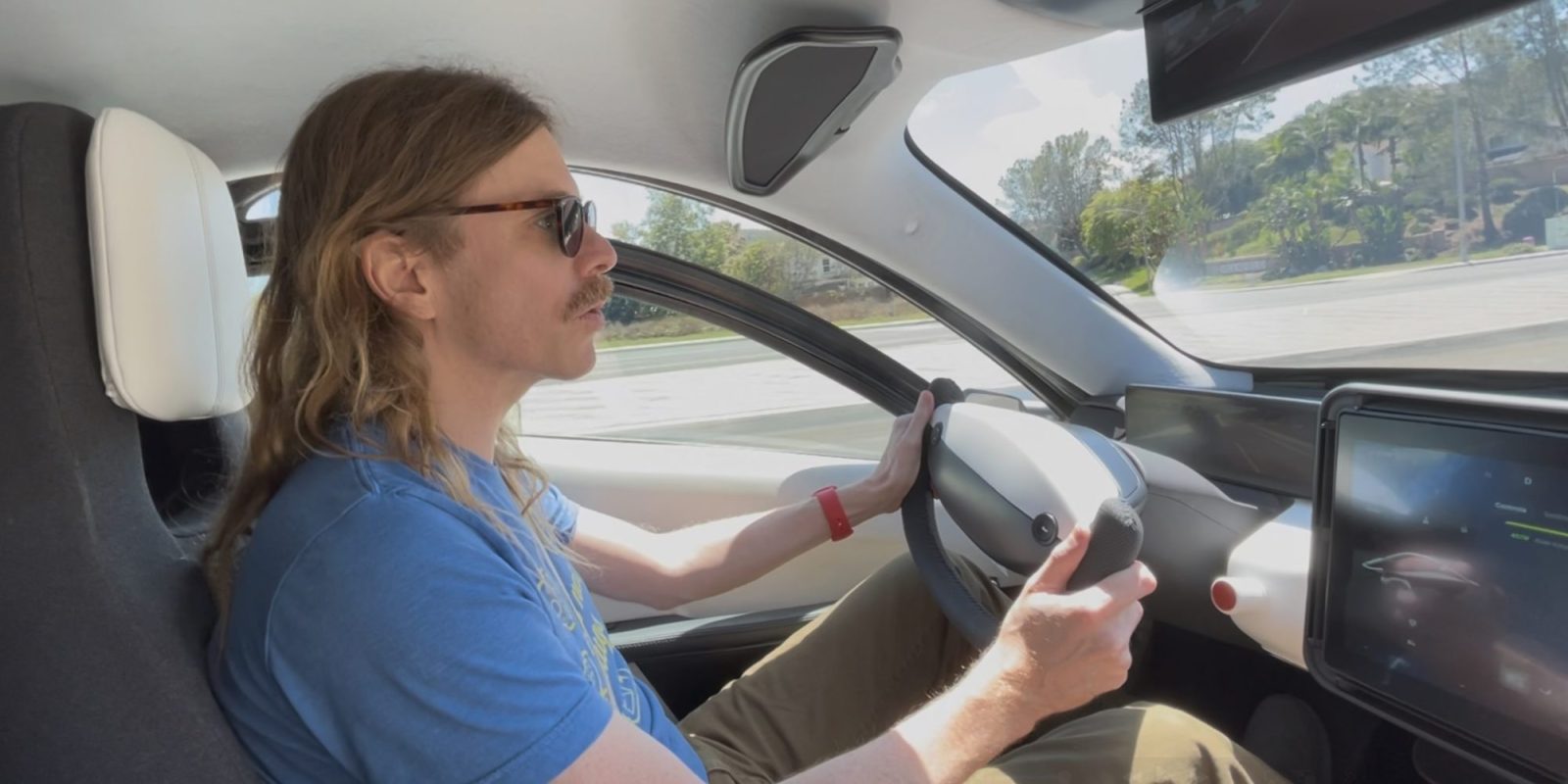
- A 40-minute test drive found the Aptera surprisingly planted thanks to its low stance, but exposed unfinished work: no regenerative braking, no working stereo, a drivetrain tuning issue at 4 mph, and a drivetrain/HVAC system that produced vibration and trunk-echoing noise.
- Aptera's tapered body yields an unusually long cargo area that swallowed 2x4s, a shortboard surfboard, and golf clubs — long enough that the 6' tester could lie down in it, a geometry Aptera has floated using for camping with planned V2L capability.
- The Aptera cabin runs almost entirely through a central iPad-like touchscreen for windows, climate, and volume, while physical side mirrors ship with the car but are intended to be removed since it's legally registered as a motorcycle.
- Aptera plans to add CarPlay/Android Auto via OTA updates and is still iterating on suspension firmness, NVH isolation, and polarized-sunglass-readable camera mirror displays before Launch edition deliveries.
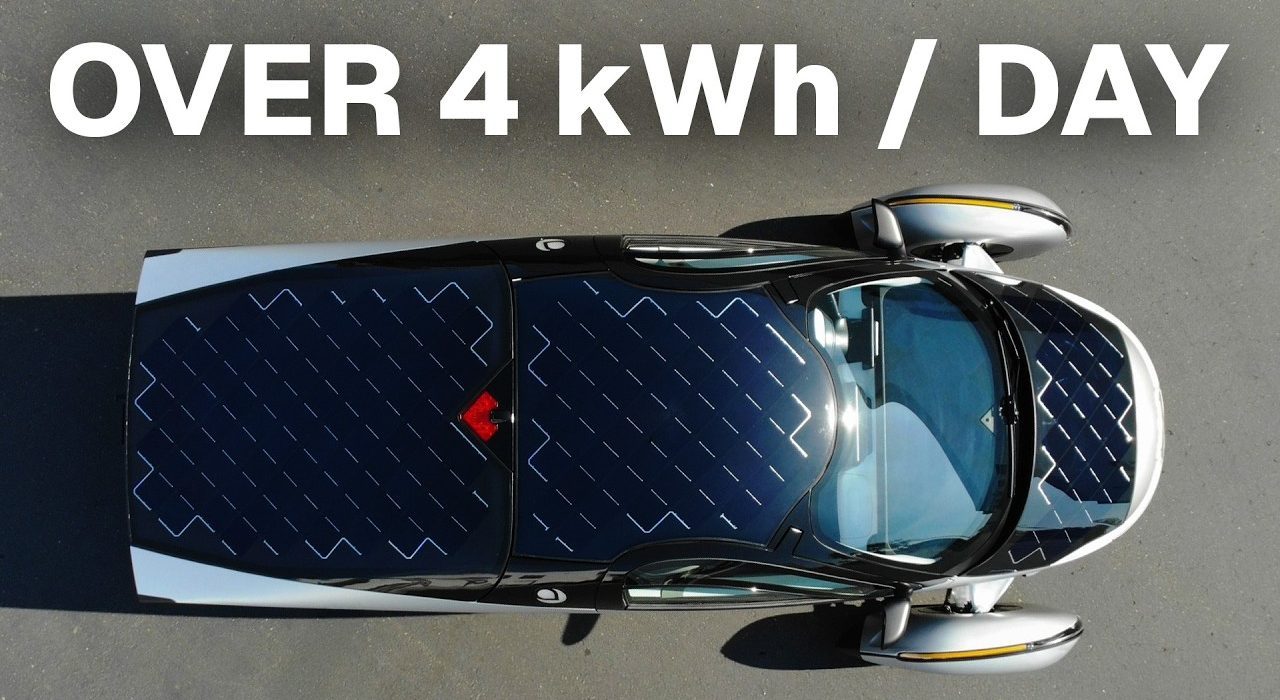
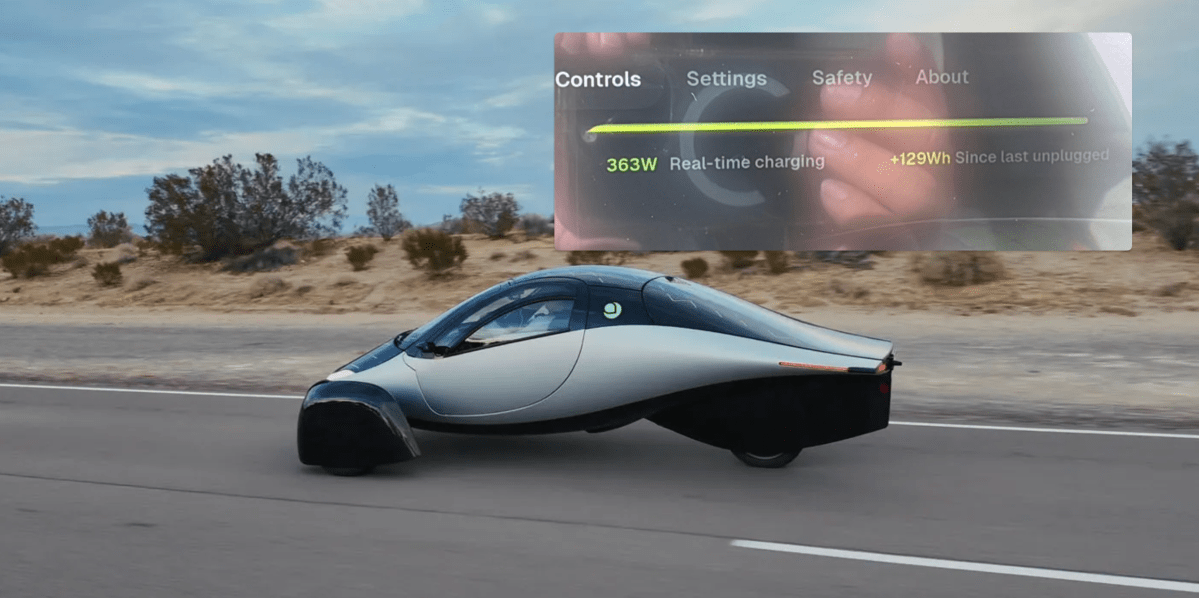
- Electrek notes solar cells normally fail as a meaningful EV energy source on heavy, boxy cars, making Aptera's hyper-aerodynamic, covered-wheel-pod shape the central engineering bet that determines whether the solar claim works at all.
Why it matters: Aptera's Launch edition buyers will judge the company's two-decade credibility on whether it can resolve the squeaks, rattles, and HVAC compressor vibration flagged in this first drive while keeping the curb weight near the stated 2,200 lbs — a tight window because adding sound-damping mass directly undermines the efficiency case the solar panel array depends on.
Ask SkimNews