We toured the Aptera factory to see if the solar EV company is gonna make it — SkimNews
Get the Energy newsletter
Daily energy & climate — solar, EVs, oil, the policy fights and tech bets shaping the transition. Free.
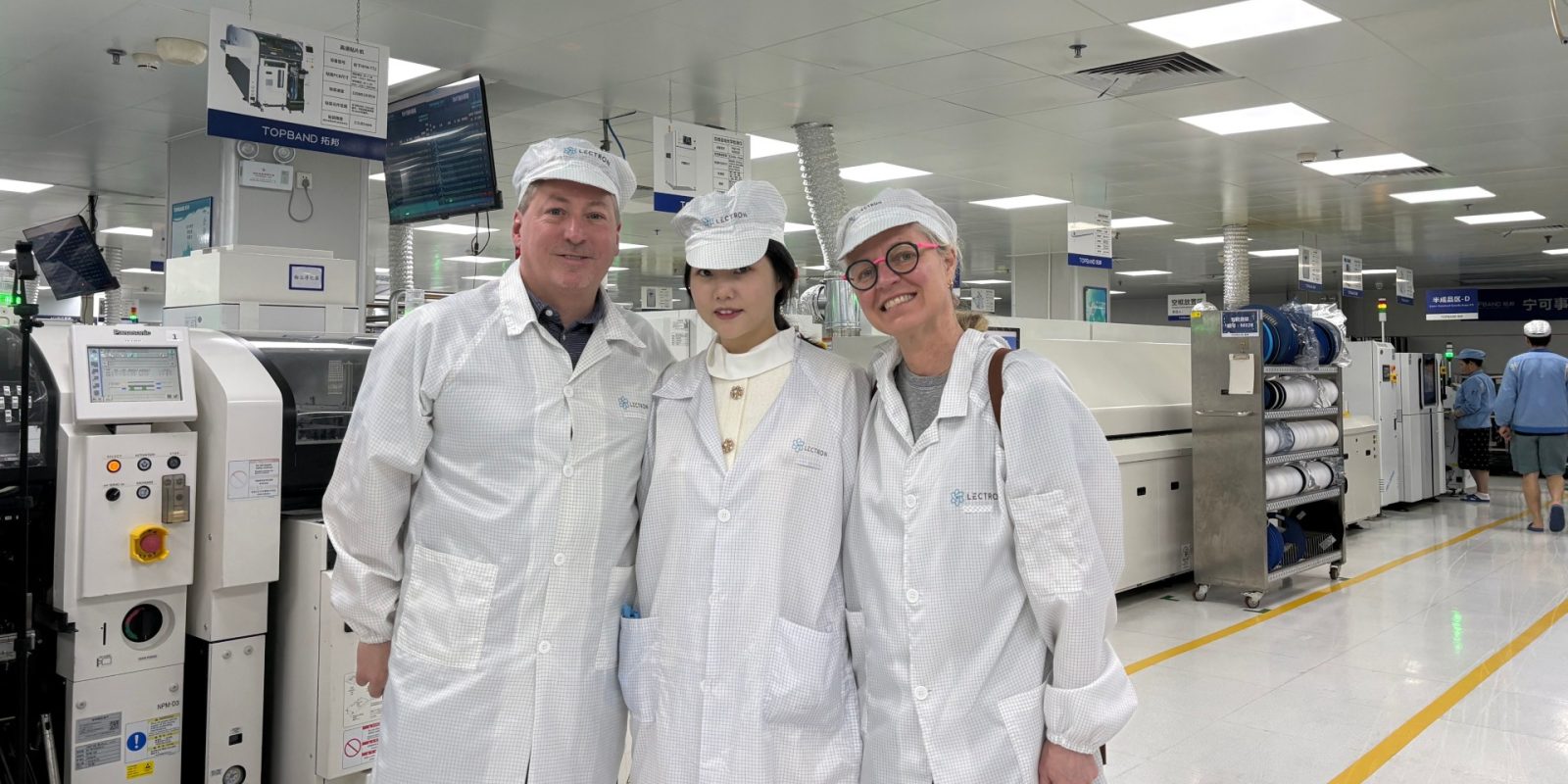
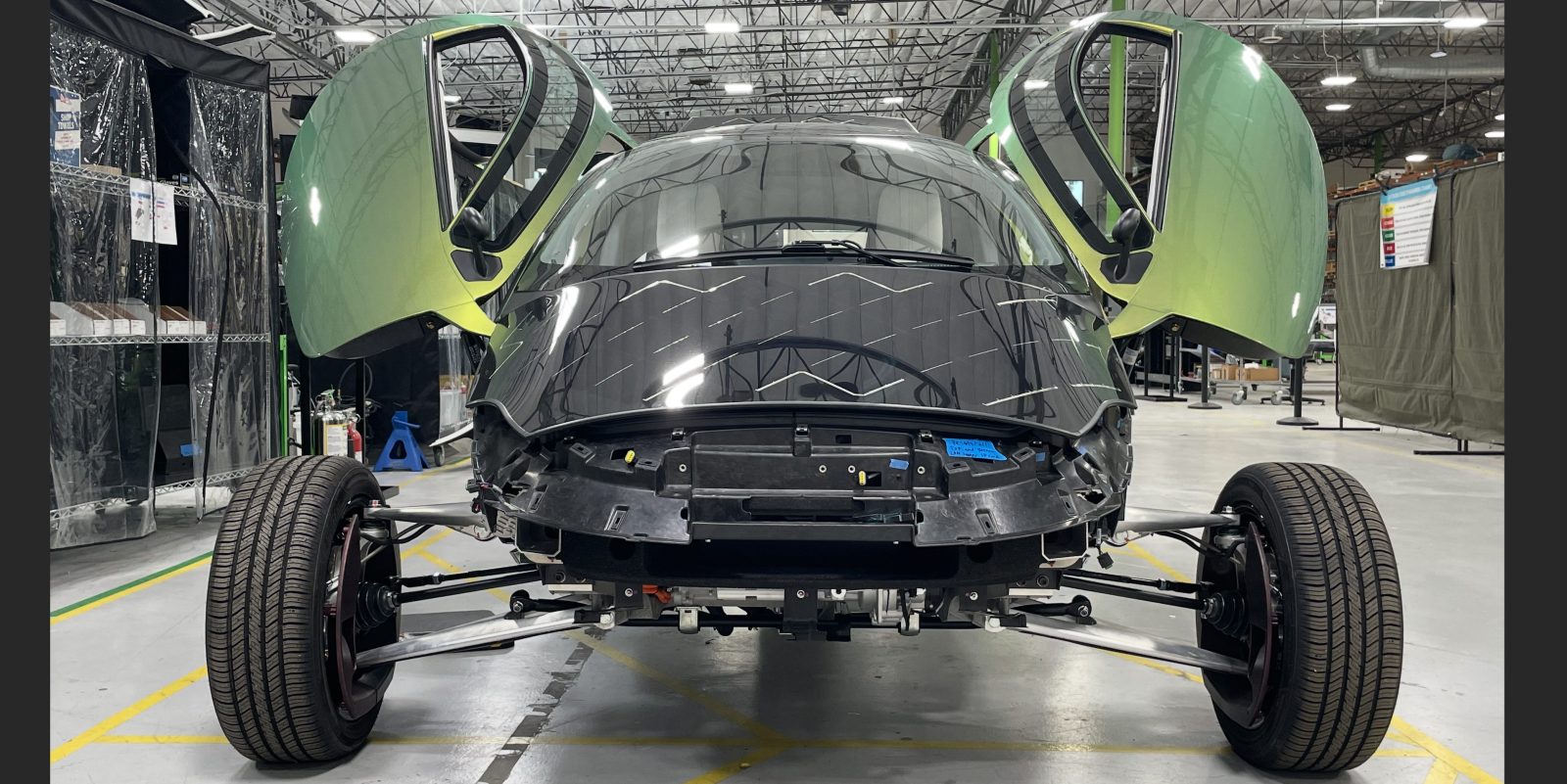
- Aptera gave a tour of its ~77,000-square-foot Carlsbad, CA headquarters where it plans final assembly, showing off ~15 vehicles in various stages of build — more than expected but far short of the 5,000 units targeted for its Launch edition.
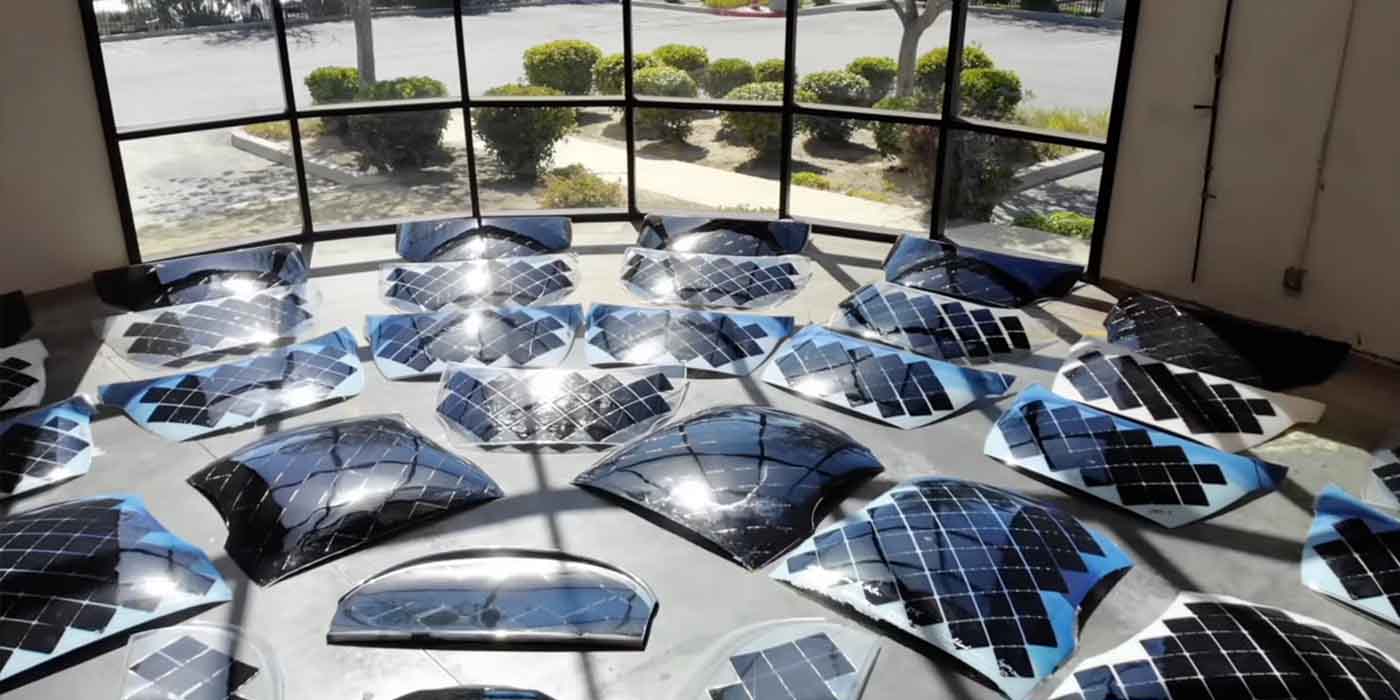
- Aptera uses carbon fiber sheet molding compound (CF-SMC) body panels produced by Italy's CPC Group, and switched from wheel hub motors to a simpler inboard motor assembly after its supplier's hub motors suffered high failure rates.
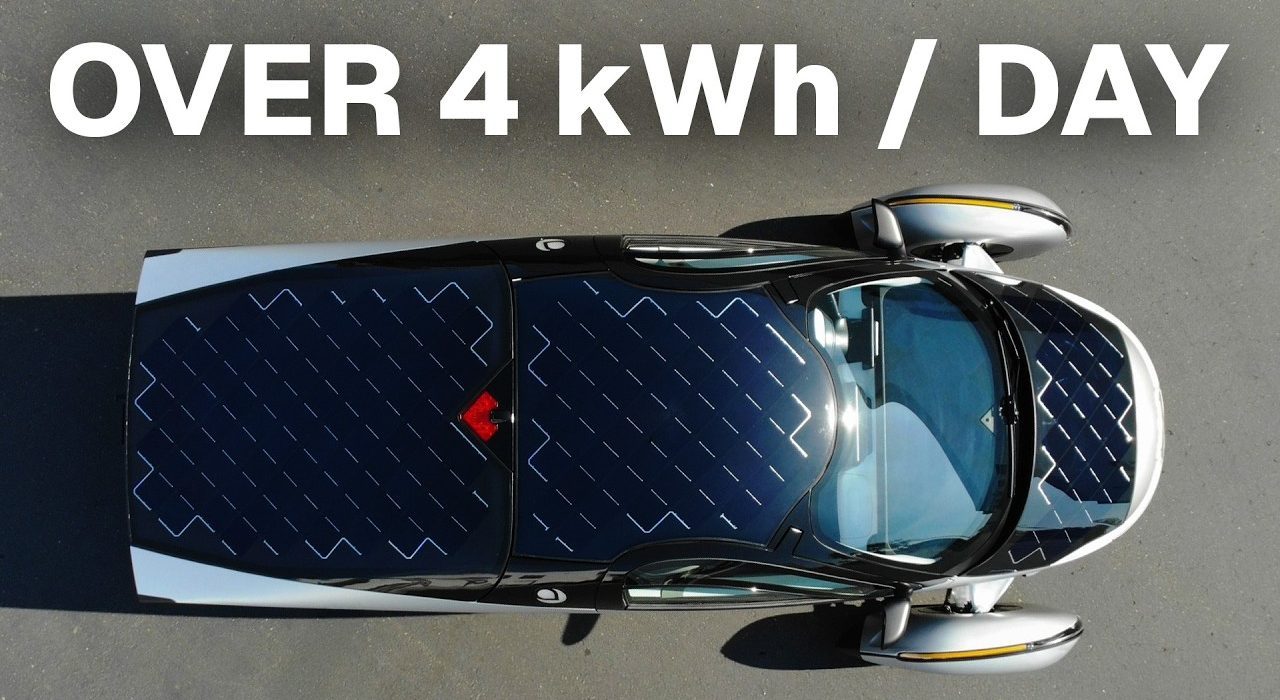
- Aptera's vehicle runs a Snapdragon 845 ARM processor consuming just 9 watts for ADAS tasks via openpilot, uses LIN bus networking to save power, and routes solar charging through a low-overhead path that draws only 8–15 watts versus the typical ~200 watts.
- Aptera is now publicly traded on NASDAQ under ticker SEV (previously held by the defunct Sono Motors), having raised roughly $150M over its lifetime but estimating it needs another ~$40M to reach production.
- Earlier this year, Aptera said first deliveries would happen in June 2026 — a date that has already passed without an updated timeline — while the company takes $100 refundable reservations and prepares a new fundraising round.
- The Aptera faces crowded competition: the Chevy Bolt and Nissan Leaf are cheaper conventional EVs, while Tesla's Cybercab targets hyper-efficient buyers, leaving Aptera's solar capability and distinctive 3-wheel design as its main differentiators.
Why it matters: With ~15 vehicles assembled against a 5,000-unit Launch edition target, a $40M funding shortfall, and a first-delivery date that already slipped, Aptera's NASDAQ-listed status under ticker SEV means retail investors are now directly exposed to a company that has cycled through fold-and-restart cycles since 2005 and has yet to deliver a single car.
Ask SkimNews