Inside Lectron's China Factory: EV Charger Production — SkimNews

SkimNews Take
A third-party charger maker meeting Ford, GM, and Mercedes-Benz certification standards suggests home EV charging is migrating from aftermarket accessory to tier-one automotive component, with implications for who competes in the space.
Get the Energy newsletter
Daily energy & climate — solar, EVs, oil, the policy fights and tech bets shaping the transition. Free.
- Lectron's China factory tour showed in-house PCBA production, automated assembly with human oversight, and digital build logs — every step, down to each screwdriver quarter-turn, is recorded against the charger's unique serial number.
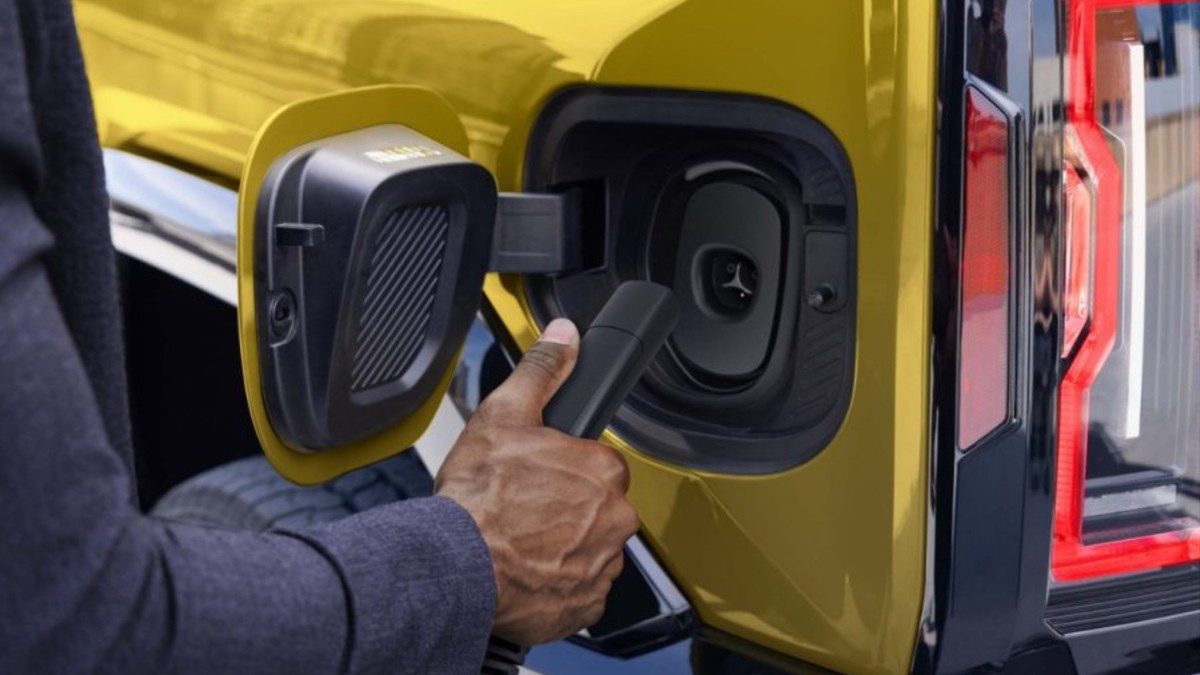
- Lectron started selling through Home Depot and Amazon but now supplies more than 15 global OEMs including Ford, GM, and Mercedes-Benz; each J1772/CCS-to-NACS adapter contains roughly 60 components and must pass each automaker's engineering vetting.
- Every Lectron charger faces end-of-line electrical testing plus an IP rating check, aging-chamber exposure, and durability gauntlets including high-pressure water blasts, extreme heat, drops, and being driven over.
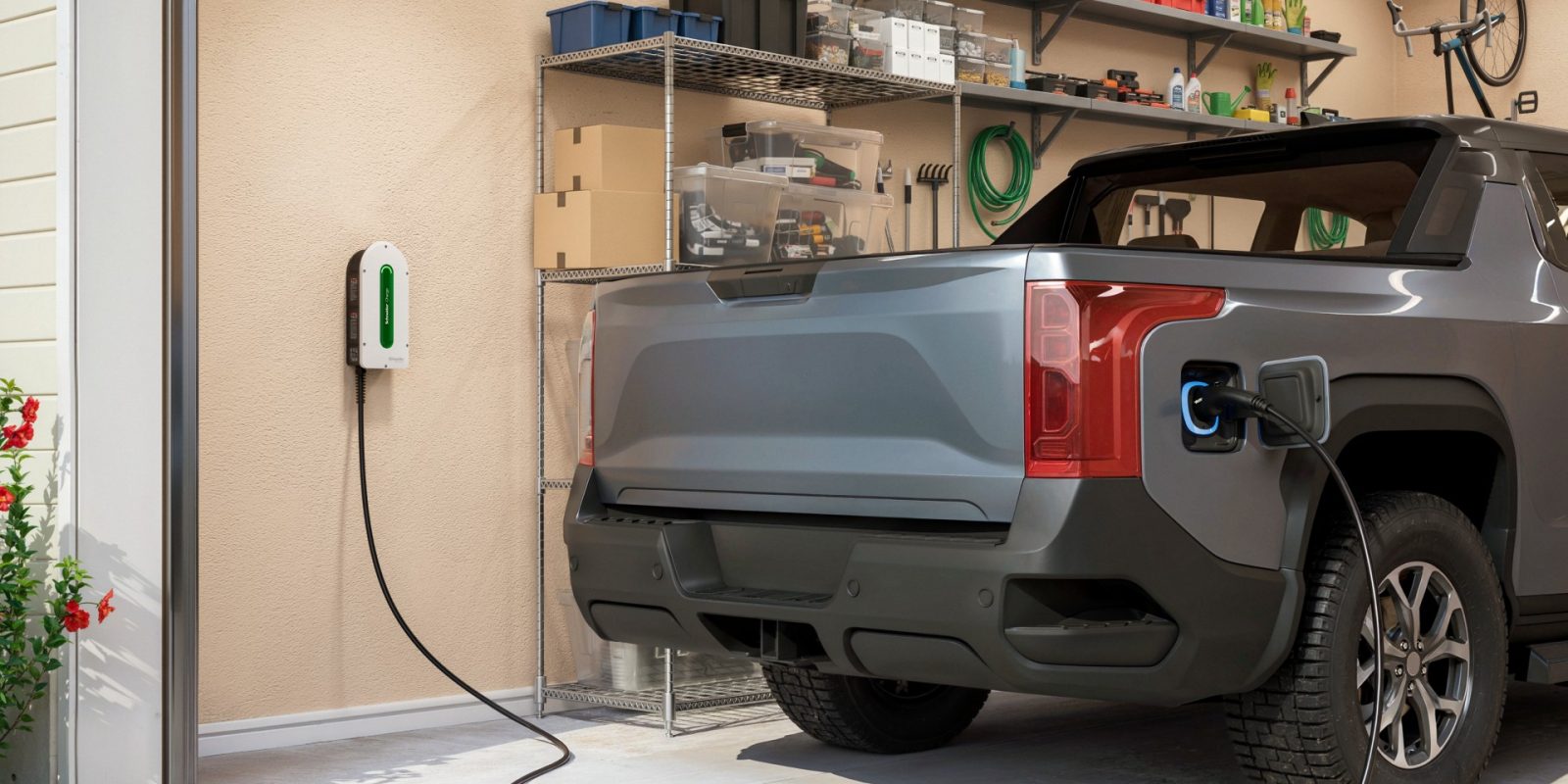
- The NEXUS, Lectron's second-gen Level 2 home charger, delivers 40 to 48 amps, carries an IP66 weather-resistance rating, and is certified to UL 2231, UL 2251, UL 2594, and UL 817.
- The NEXUS is available now as a non-WiFi model with either a NEMA 14-50 plug (with temperature sensors on each hot pin) or a hardwired install, with a connected WiFi version expected within months.
- Wirecutter (The New York Times) named Lectron's portable Level 1 & 2 charger "the best J1772 charger to carry with you" in April.
Why it matters: A charger pushing 40 to 48 amps through a compact unit for hours on end has to work reliably — and Lectron's jump from Home Depot/Amazon retailer to supplier for 15-plus OEMs, each imposing automotive-grade vetting, gives buyers a concrete yardstick for whether the NEXUS is built to survive years of outdoor use.
Ask SkimNews