FERC's 62 GW Data Center Test: How Each ISO Stacks Up — SkimNews
Get the Energy newsletter
Daily energy & climate — solar, EVs, oil, the policy fights and tech bets shaping the transition. Free.
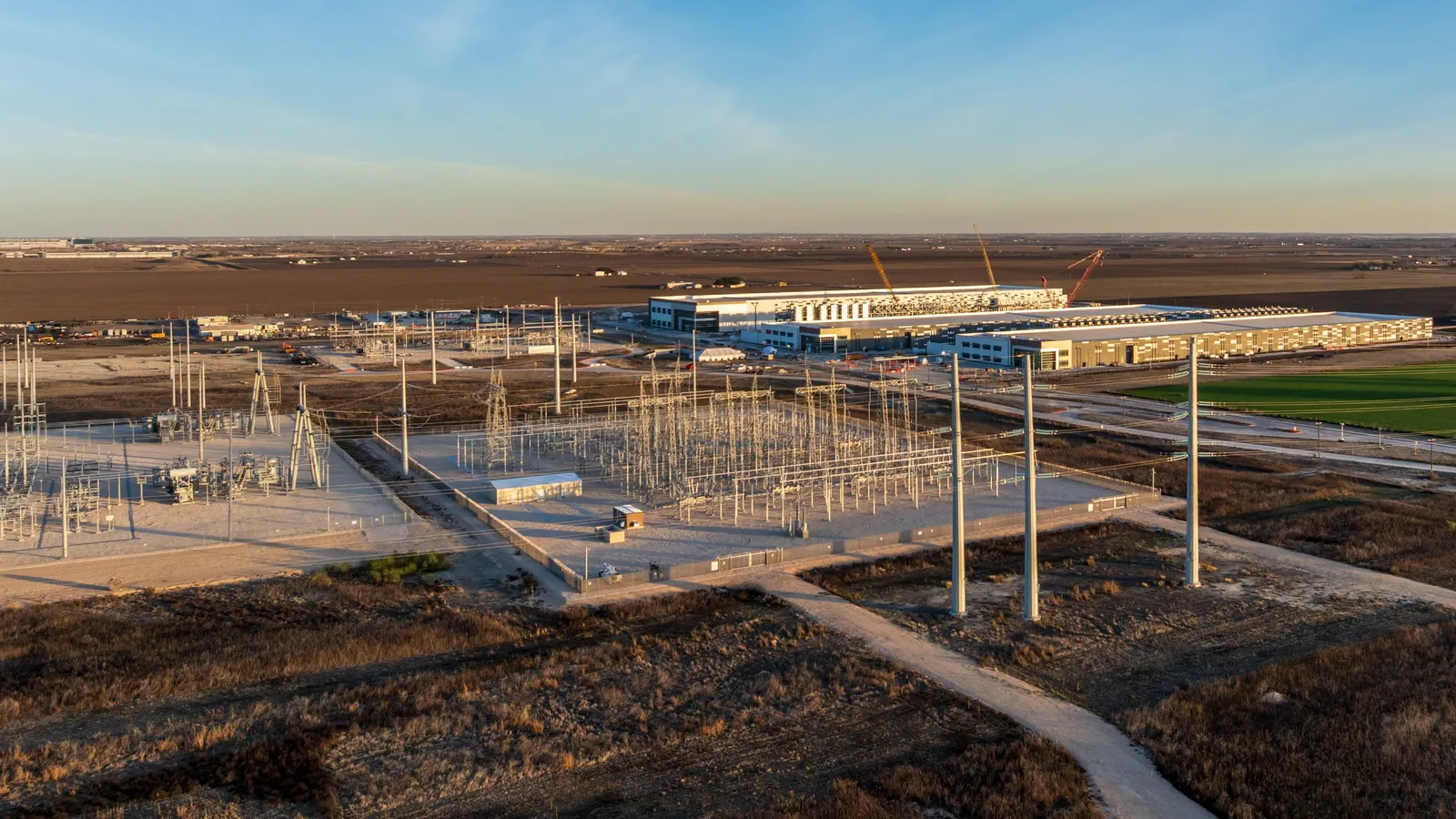
- Enverus Intelligence Research graded U.S. ISO/RTO readiness against FERC's five reform categories from its June 2026 show-cause orders, targeting 62 GW of new U.S. data center capacity expected by 2030.
- SPP is the only region with FERC-approved large-load tariffs, featuring HILL/HILLGA frameworks and CHILLS transmission service for near-immediate grid connection — yet it represents only ~5% of the high-confidence large-load pipeline.
- PJM holds the largest high-confidence pipeline at ~11.8 GW with 58% expected behind-the-meter, but EIR's Amyra Mardhani warned BTM projects 'still hold some advantage over fully grid-connected projects, but less than they were counting on.'
- MISO has a ~11.6 GW pipeline with 78% expected grid-connected, advancing three of five FERC reform categories including CIAC cost allocation, the Zero-Export Generation Interconnection Agreement, and Firm Step-Up Service.
- NYISO, ISO-NE, and CAISO have limited or no large-load frameworks; CAISO offers some demand response tools but little direct alignment with FERC's reform categories.
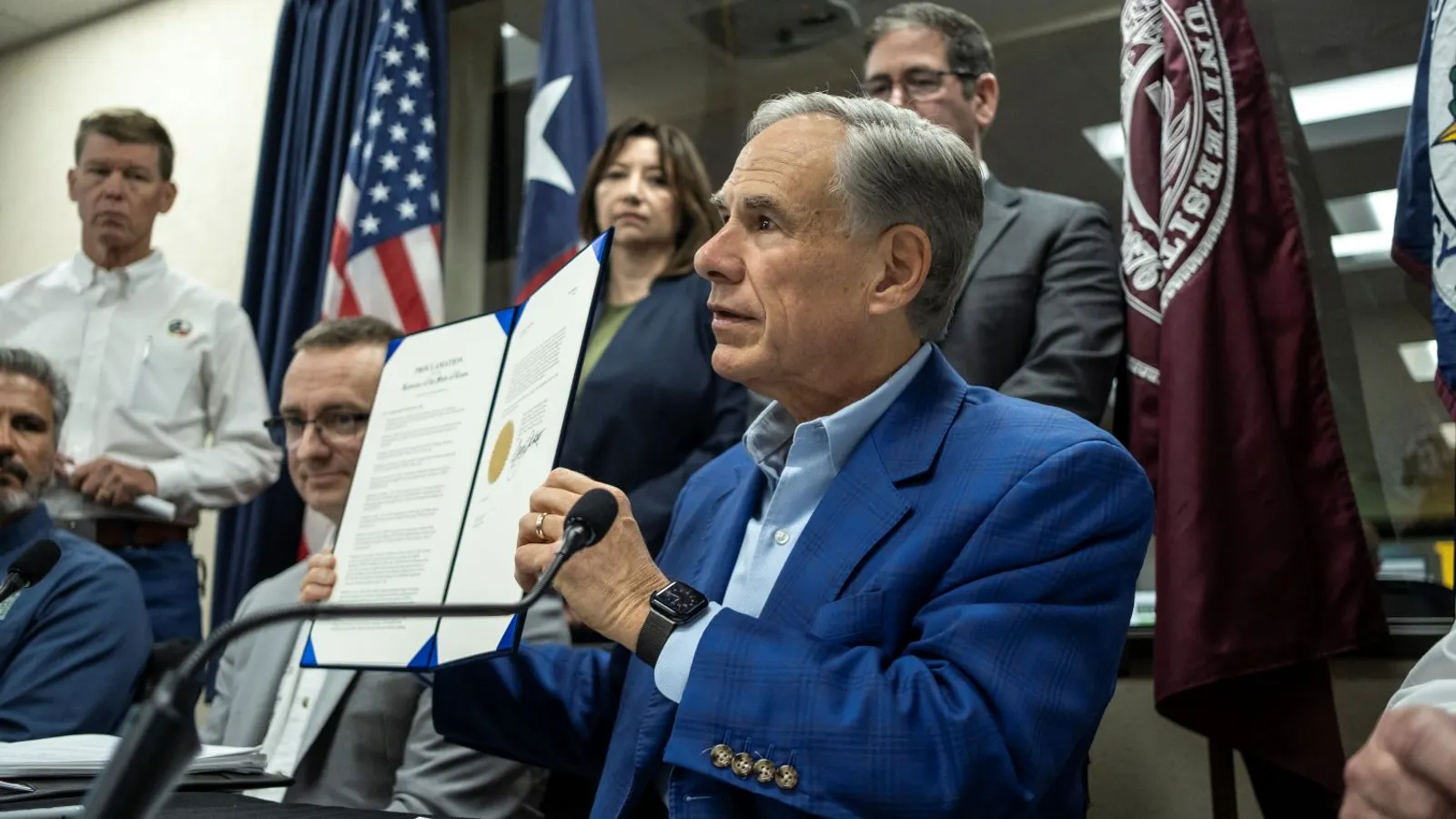
- ERCOT, outside FERC's jurisdiction, is shifting to batch large-load studies via its Batch Zero process, but Texas Governor Greg Abbott's August 3 moratorium call on new data center interconnections delayed the first set of Batch Zero projects.
- Utilities bear the legal and structural burden of rewriting operational playbooks, planning for short-term grid impacts, accounting for unpredictable load behaviors, and revising capital expenditure forecasts as each ISO evolves its interconnection process.
Why it matters: Data center developers chasing PJM's 11.8 GW pipeline through behind-the-meter builds were supposed to bypass FERC interconnection delays, but EIR's Amyra Mardhani warns those projects 'still hold some advantage... but less than they were counting on' — meaning site selection is now tied to detailed transmission modeling across every ISO territory, with capital allocation exposed to shifting tariffs.
Ask SkimNews