World's Oldest Grassland Experiment Marks 170 Years — SkimNews
Get the Health newsletter
Daily health & science — research, biotech, public health, the studies worth knowing. Free.
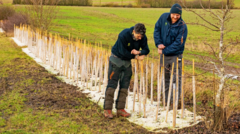
- Rothamsted Research's Park Grass Experiment, started in 1856 by Sir John Bennet Lawes and Joseph Henry Gilbert during Queen Victoria's reign, is now the world's oldest experiment on permanent grassland, covering just under three hectares with differently treated plots for comparison.
- Soil scientist Andy Gregory, a current custodian, said the experiment is "not a museum piece" — it still supports cutting-edge research, including DNA analysis of 170-year-old archived soil and crop samples kept by its "genuinely forward thinking" Victorian founders.
- The experiment captured the impact of nitrogen and sulphur deposited from the air onto UK land from historic power generation and vehicle emissions, which effectively fertilised it; Gregory said recent reductions in atmospheric nitrogen and sulphur are now visible in changes to the botanical diversity of some plots.
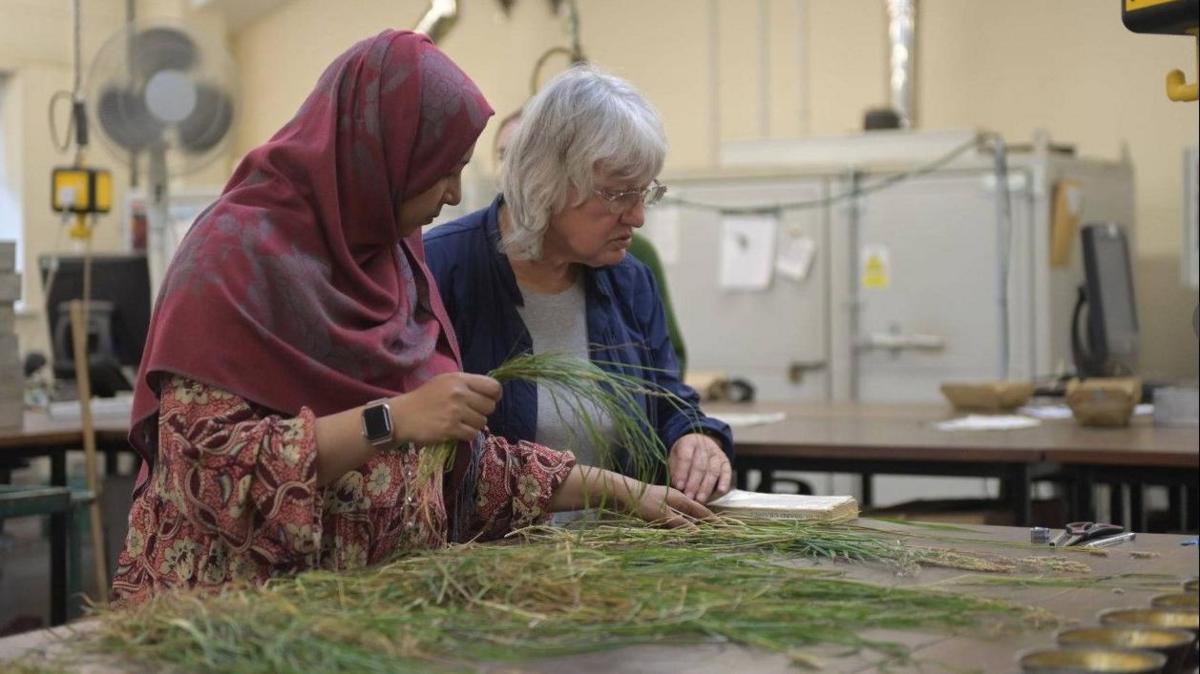
- Dr Sarah Perryman, curator of the Park Grass data, is digitising grass species records collected since 1856, calling the site "a living record of ecological change" that allows questions across timescales "almost impossible anywhere else in the world."
- Researchers are already tracking climate impacts — drier springs and early summers tend to decrease yields — while noting higher CO2 could boost yields but may be outweighed by future drought.
- Gregory said today's collected samples may help future scientists answer questions not yet conceived, calling current work "essentially adding to the history building on this legacy."
Why it matters: The Park Grass archive gives scientists a 170-year continuous baseline for measuring how pollution policy, power generation shifts, and climate change have reshaped UK grassland ecology — a dataset Perryman says allows questions across timescales "almost impossible anywhere else in the world." That historical depth, combined with samples still being collected today, means the Victorian experiment could end up answering questions no one has thought to ask yet.
Ask SkimNews