Rising seas magnify the dangers of Coastal Georgia’s industrial past — SkimNews
Get the Energy newsletter
Daily energy & climate — solar, EVs, oil, the policy fights and tech bets shaping the transition. Free.
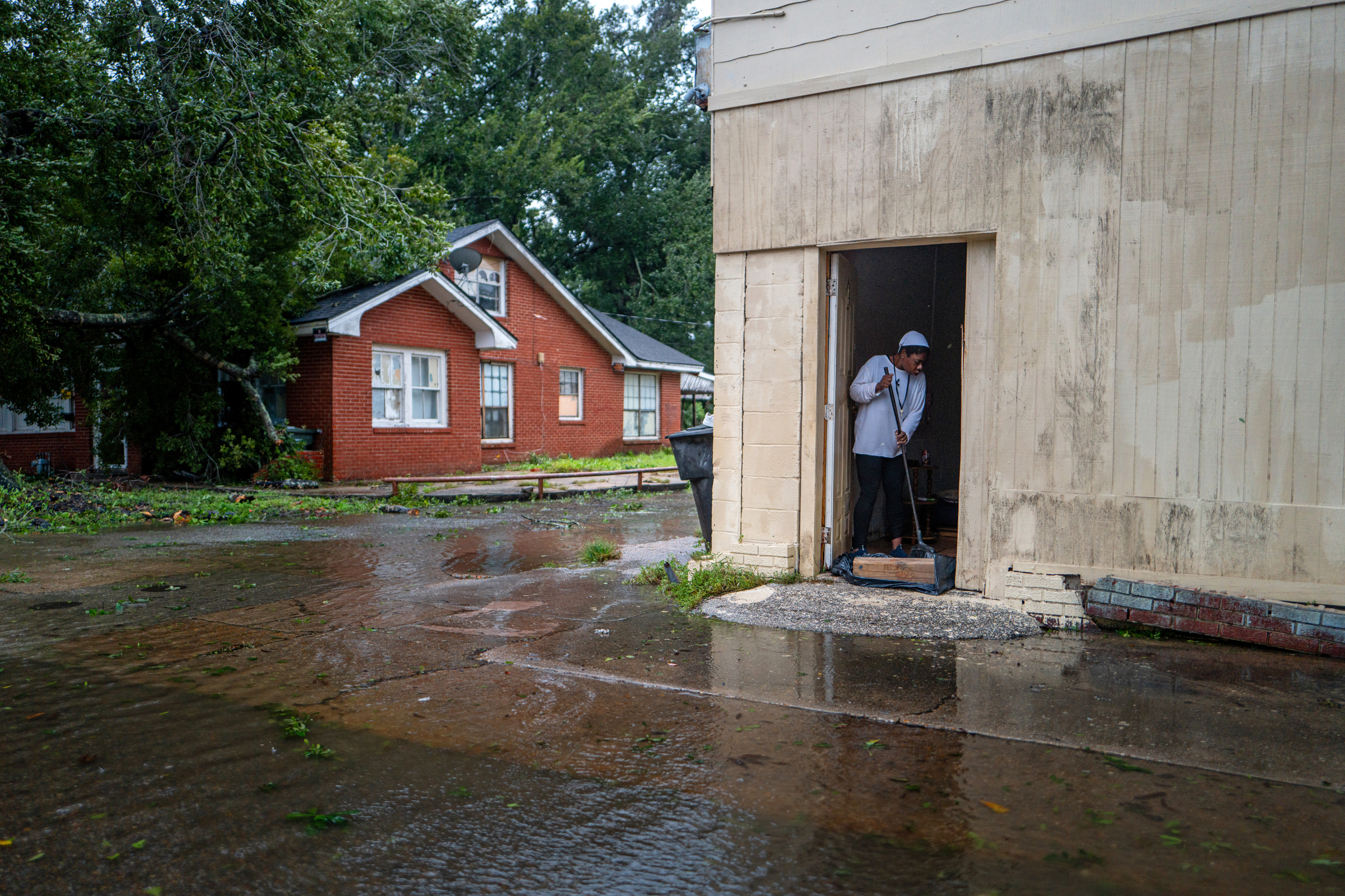
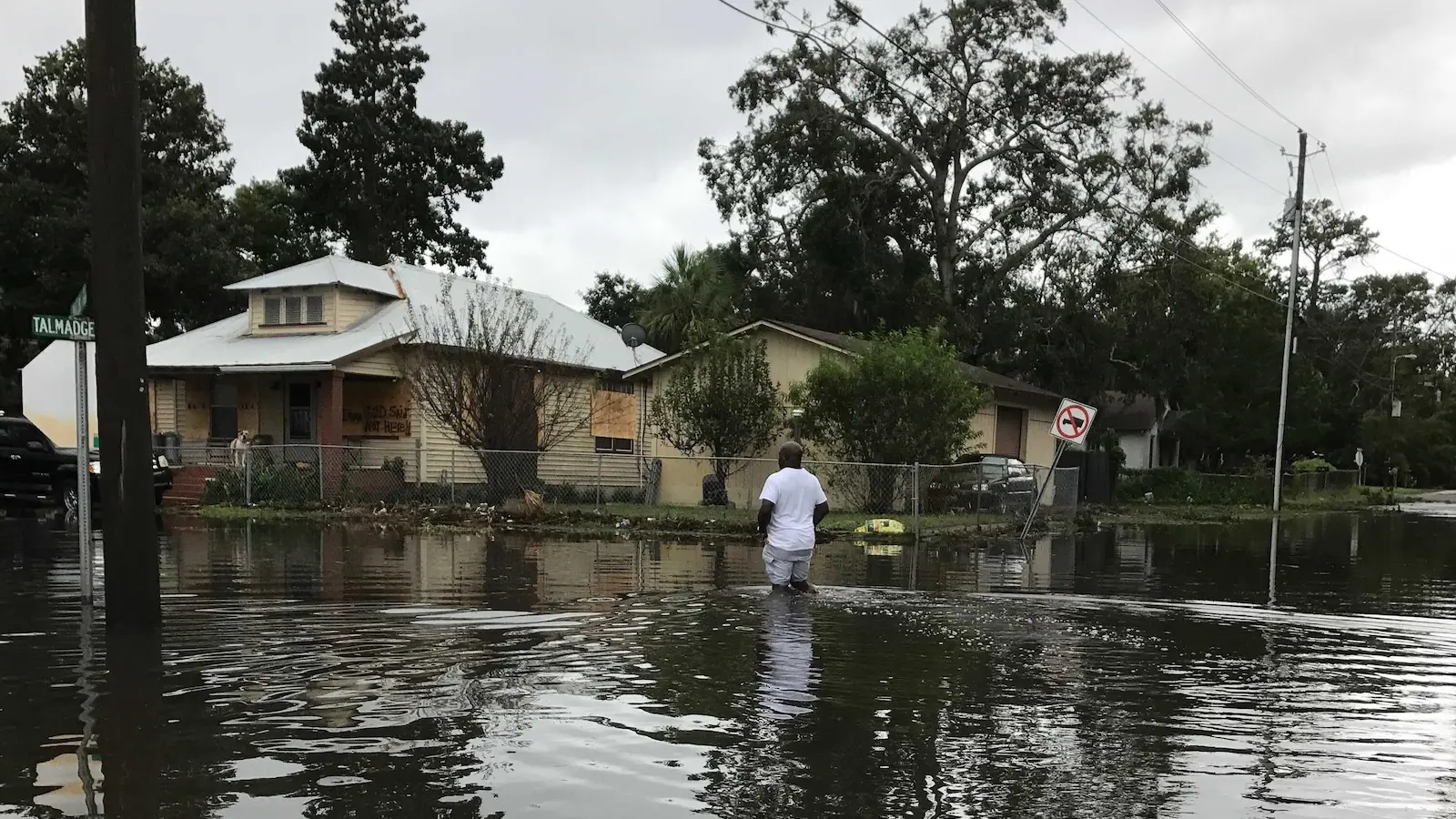
- Semona Holmes lives half a mile from a former pesticide plant Superfund site in Brunswick and has witnessed floodwaters reach her knees, raising concerns about toxic exposure from industrial runoff.
- Researchers from six institutions, including Emory University and Georgia Tech, will launch Georgia’s first Superfund research center with $15 million from the National Institute of Environmental Health Sciences over five years.
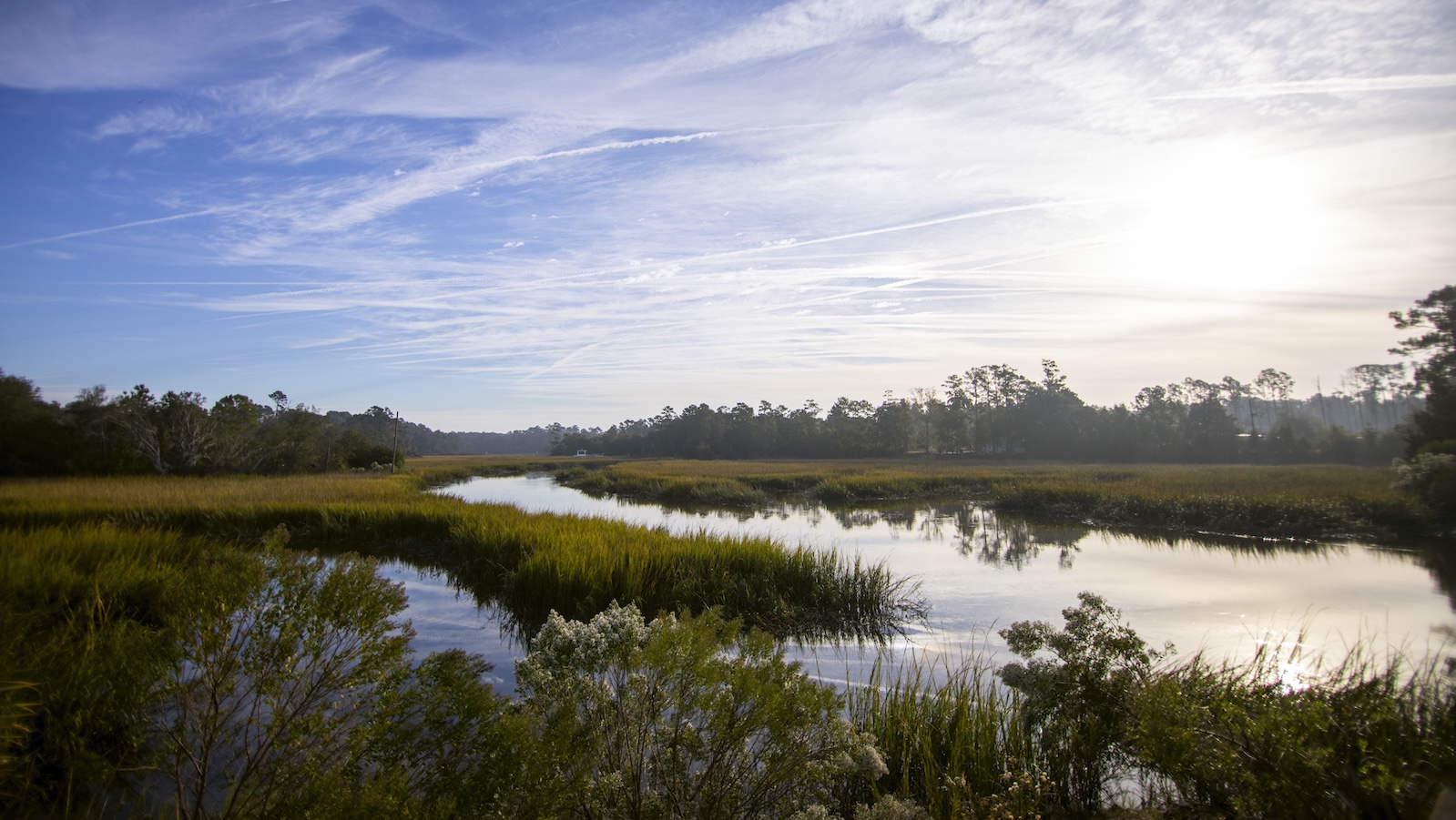
- Noah Scovronick, an Emory public health professor, stated the research aims to understand health effects of past chemical exposures and reduce future risks by studying contamination pathways in Glynn County.
- The research team will model climate change impacts like sea level rise and stronger storms to assess whether current containment measures at Superfund sites can withstand extreme weather events.
- Holmes and her family avoid drinking tap water or eating local seafood due to contamination fears, and she emphasizes the need for acknowledgment and action from companies responsible for the pollution.
- The study will include community engagement to ensure research addresses residents’ concerns, particularly regarding children’s exposure at schools near contaminated sites.
Why it matters: Glynn County residents face ongoing health risks from industrial pollution that could worsen with climate-driven flooding; the $15 million study provides a rare opportunity to document exposure and push for corporate accountability, with findings potentially shaping future cleanup standards in coastal areas.
Ask SkimNews