New Reykjavik Summit Film Too Kind to Reagan — SkimNews
Get the Culture newsletter
Daily culture — film, music, books, the trends and ideas worth your attention. Free.
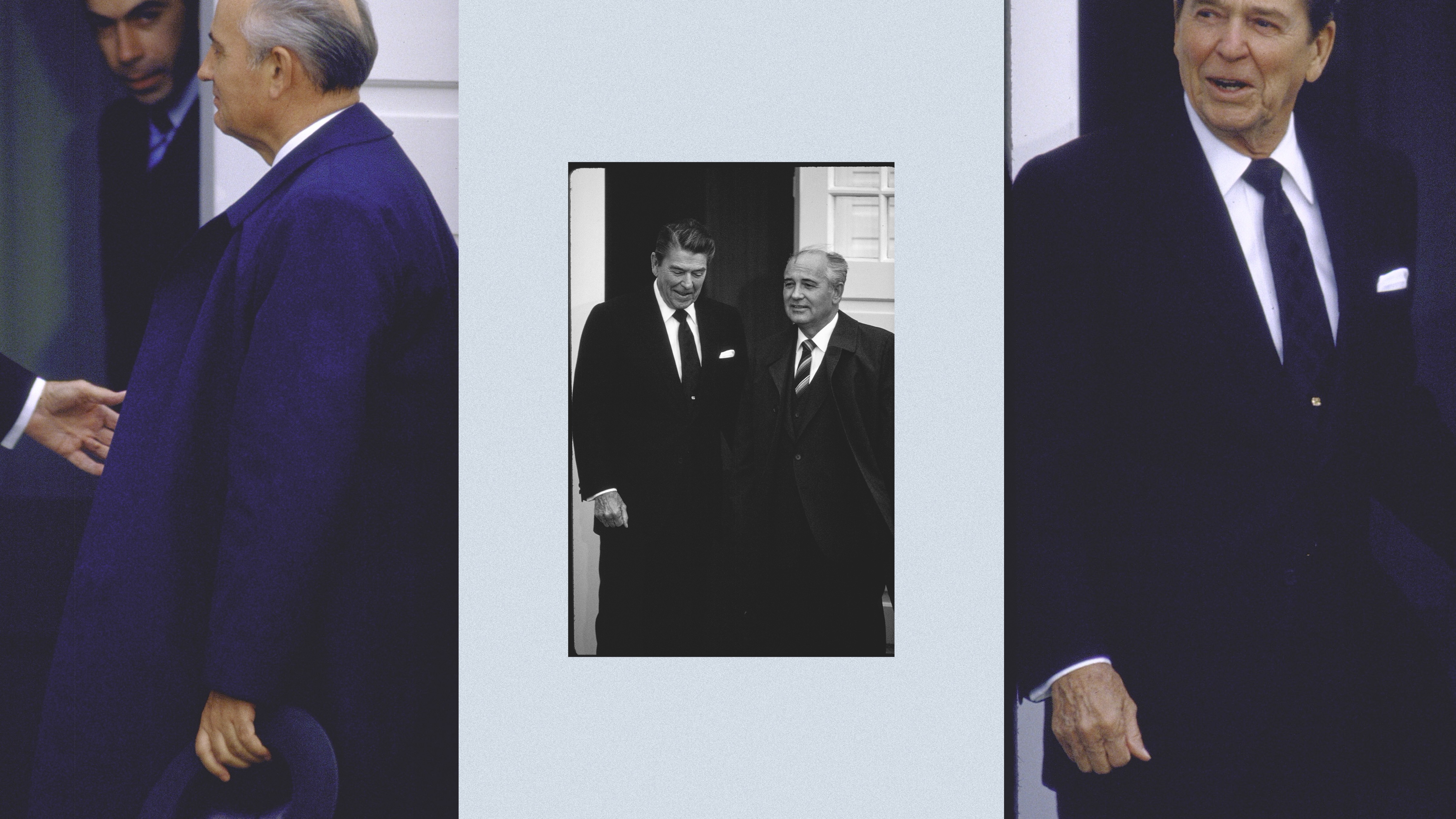
- The Brink of War, a new film released nationwide about the October 1986 Reykjavik summit between Reagan and Gorbachev, draws on meeting transcripts and interviews and is dedicated to the late Secretary of State George Shultz.
- The reviewer argues the movie overcorrects against the liberal orthodoxy that Reagan was a 'disconnected simpleton,' depicting him as highly prepared and confidently teasing his team — when records show he was nervous, leaned on notes, and once dropped all his papers mid-meeting.
- Soviet officials receive caricature-level treatment, per the review: Gorbachev is shown huddling with his wife in a bathroom as if hiding from the KGB and slamming the table, while Marshal Sergei Akhromeyev is played as a stiff military man despite American negotiators later praising him as smart, flexible, and trustworthy.
- The film omits veteran diplomat Rozanne Ridgway, who led some of the most important U.S. negotiations with the Soviets, and portrays Nancy Reagan as a 'catty flake' envying Raisa — a characterization Washington Post biographer Karen Tumulty called 'preposterous,' noting Nancy was actually angry because she'd been told Raisa wouldn't attend.
- The title 'Brink of War' misleads viewers, the reviewer argues: Soviet-American tensions and nuclear-war risk were far higher during Reagan's first term — 1983 alone brought the 'Evil Empire' speech, the Strategic Defense Initiative announcement, the Soviet shootdown of a Korean airliner that killed a U.S. congressman, and the U.S. invasion of Grenada.
- The full-nuclear-abolition moment at Reykjavik, which both delegations reached by improvisation, is depicted as a Reagan 'masterstroke' in the film, though the reviewer emphasizes it was an accident that surprised both sides and drove hours of unexpected negotiation.
Why it matters: The film arrives at a moment when Americans' understanding of the Cold War's end has collapsed into partisan 'bumper stickers,' according to the reviewer, and its flattering Reagan portrait — including fabricated melodrama around Nancy Reagan and one-note Soviet villains — risks replacing the textured historical record attested in transcripts and negotiators' recollections with a simpler mythology.
Ask SkimNews


