China denies Japan foreign ministers spoke at ASEAN
Get the Geopolitics newsletter
Daily geopolitics — wars, elections, sanctions, the diplomatic moves that move markets. Free.
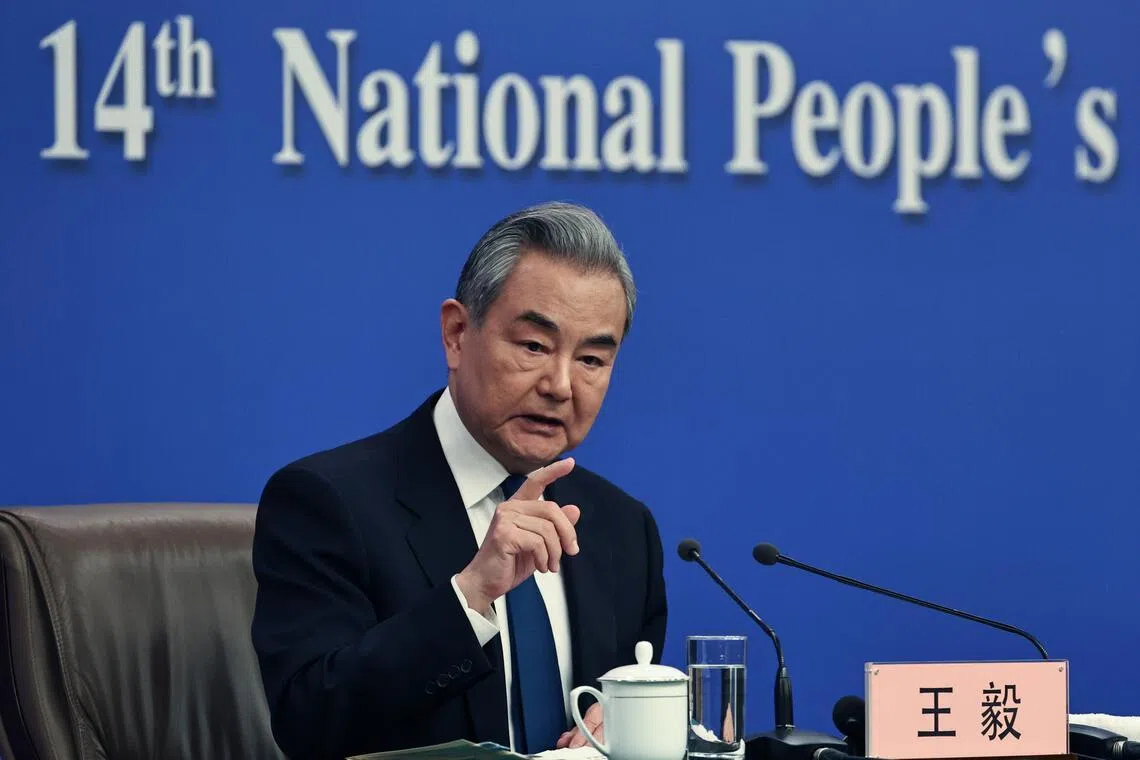
- China's Foreign Ministry spokesperson Lin Jian stated on Monday that Foreign Minister Wang Yi "did not have a meeting with the Japanese side on his schedule, nor did any brief exchanges take place" during the ASEAN meeting in Manila.
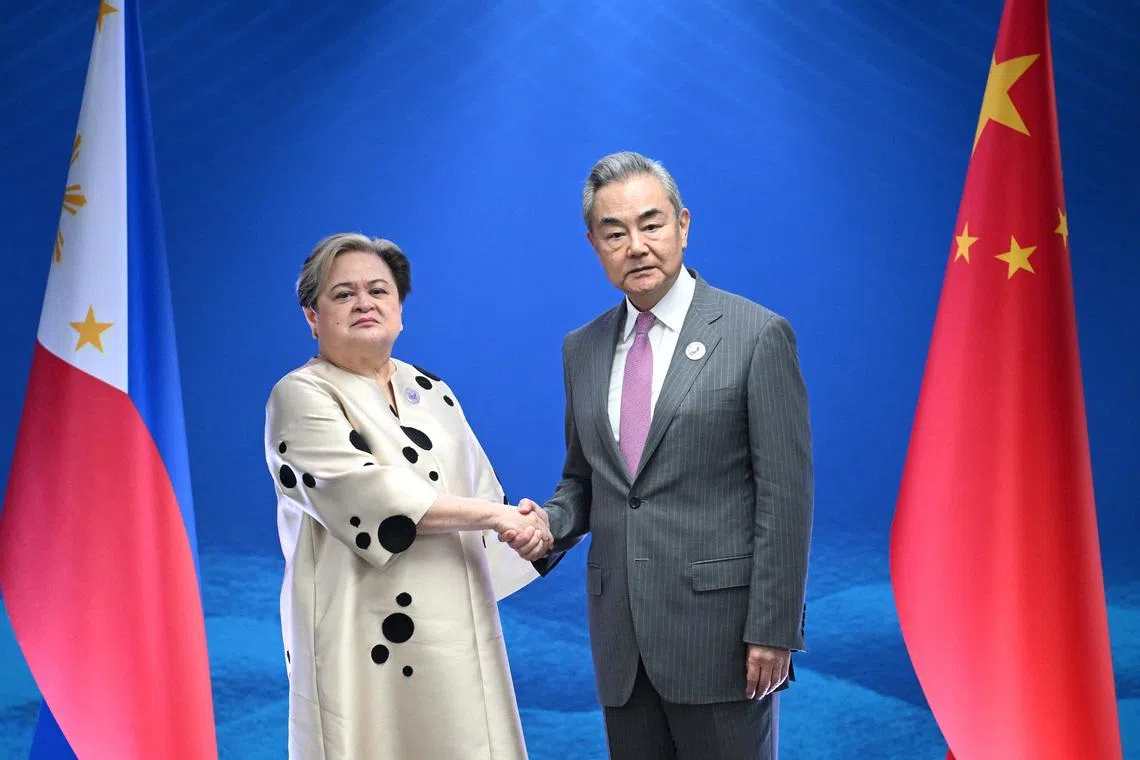
- Japan's Foreign Minister Toshimitsu Motegi told reporters last week he had briefly discussed bilateral relations with Wang Yi when they ran into each other at the ASEAN meeting in the Philippines.
- Japanese media reported the exchange between Motegi and Wang was "mostly greetings and pleasantries," undercutting Motegi's claim of substantive bilateral discussion.
- Japanese Prime Minister Sanae Takaichi told a Monday news conference that both sides are holding dialogue at various levels, including Motegi's exchange with Wang, siding with her foreign minister's account.
- Takaichi's November parliamentary remarks — that a Chinese military action against Taiwan could meet Japan's collective self-defense criteria — triggered the deterioration in China-Japan ties, crossing what China calls a red line.
- Takaichi has refused to retract the Taiwan comments but told the same parliamentary committee she would avoid discussing specific self-defense scenarios in the future.
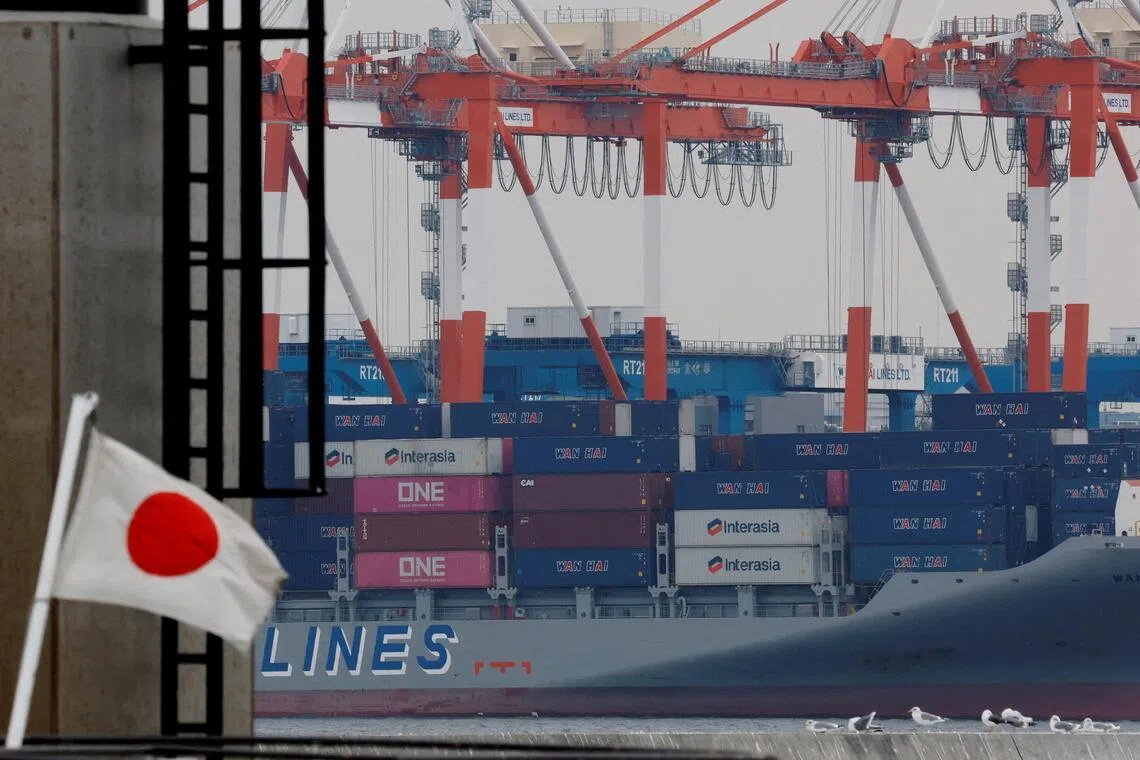
- The diplomatic freeze has spilled into the economy, including a decrease in Chinese tourists visiting Japan, and heightened mutual unease about military expansion.
Why it matters: Beijing's public denial puts Japan in an impossible spot: either Motegi inflated a hallway brush-pass into a bilateral discussion, or China is weaponizing protocol to sustain punishment for Takaichi's Taiwan remarks. For Japan, which says it "is open to dialogue at all levels," the contradiction exposes how Takaichi's November comments have made even incidental contact diplomatically toxic in Beijing, with economic fallout already visible in tourism numbers.